Mobile Technology

Fastest Charging Smartphones in 2026 Ranked

Source:https://www.notebookcheck.net

As we head into 2026, smartphone technology continues to evolve at a rapid pace. One of the most sought-after features by consumers is faster charging capabilities, as people demand more efficiency in their daily tech usage. With high-performance processors, powerful cameras, and high-resolution displays taking center stage, one critical aspect that has gained increasing importance is the charging speed. Fastest charging smartphones are no longer a luxury but a necessity, particularly for users who need to keep their devices powered throughout the day with minimal downtime. In this article, we will explore and rank the fastest charging smartphones of 2026, focusing on their innovative charging technologies, battery capacities, and the overall user experience.

The Importance of Fast Charging in 2026

Fast charging technology has come a long way since its inception. Initially, users were content with slow, traditional charging speeds, but as smartphones have become integral to every aspect of modern life, the need for faster power-up times has grown exponentially. Whether it’s for gaming, productivity, or content consumption, smartphone users now demand quick and efficient charging, enabling them to get back to using their phones as quickly as possible.

Charging speeds are measured in watts (W), and in recent years, many brands have pushed the envelope, achieving charging speeds well above 100W. In 2026, some of the fastest charging smartphones offer near-instant power-ups that can fully charge a phone in less than an hour—sometimes even in as little as 15 minutes. This technological leap has been driven by advancements in battery technology, cooling solutions, and power delivery standards.

Here are some of the fastest charging smartphones that have stood out in 2026.

Top Fastest Charging Smartphones in 2026

1. OnePlus 15 Pro

OnePlus has long been known for its fast charging innovations, and the OnePlus 15 Pro takes things to the next level with its staggering 200W SuperVOOC charging. This device charges from 0 to 100% in just 18 minutes, setting a new benchmark for fast-charging smartphones in 2026.

The phone is powered by a 5,000mAh battery, ensuring that despite the rapid charge time, the device retains a respectable battery life. The OnePlus 15 Pro also supports wireless charging at 65W, which is remarkable for users who prefer a cable-free experience.

The device’s design incorporates advanced thermal management systems to keep temperatures under control during the charging process, ensuring safety and efficiency. It’s clear that OnePlus has doubled down on its commitment to delivering lightning-fast charging speeds without compromising user safety.

2. Xiaomi Mi 14 Ultra

Xiaomi continues to impress with its cutting-edge charging technology, and the Xiaomi Mi 14 Ultra is a standout in 2026. Featuring 180W HyperCharge technology, this phone can be fully charged in just 20 minutes, making it one of the fastest charging smartphones on the market.

In addition to its ultra-fast charging capabilities, the Mi 14 Ultra boasts a massive 5,200mAh battery, which ensures that it can go the distance even after a quick power-up. Xiaomi has also introduced a heat dissipation technology that uses graphene-based materials to keep the device cool while charging, allowing for faster charging without overheating.

Beyond its lightning-fast charging, the Mi 14 Ultra also delivers impressive performance in other areas. With its top-tier Snapdragon 8 Gen 3 chipset, powerful cameras, and stunning display, the device is a well-rounded package for power users.

3. Realme GT 2 Pro+

Realme’s GT 2 Pro+ offers one of the fastest charging speeds in the world, thanks to its 150W UltraDart charging technology. Capable of charging the device from 0 to 100% in just 25 minutes, the GT 2 Pro+ provides a quick solution for users always on the go.

Realme has also equipped the GT 2 Pro+ with a robust 5,000mAh battery, ensuring that the phone can last throughout the day despite its rapid charging speeds. The device features a sleek, premium design and is powered by the latest Snapdragon 8 Gen 3 processor, which delivers top-notch performance.

Realme’s UltraDart charging is complemented by AI-driven algorithms that optimize the charging process based on the user’s habits, further enhancing battery longevity and device safety.

4. Oppo Find X6 Pro

Oppo’s Find X6 Pro is another flagship device in 2026 that’s setting new standards for charging speed. Equipped with 120W SuperVOOC fast charging, the phone can go from 0 to 100% in just 30 minutes. With a 5,000mAh battery, the Find X6 Pro offers an excellent balance between charging speed and battery life.

Oppo has focused on providing a reliable and efficient fast-charging experience, even under heavy usage conditions. The phone also supports 50W wireless charging, making it one of the few devices to offer ultra-fast wireless charging speeds in addition to its wired capabilities.

Additionally, the Find X6 Pro is packed with an exceptional camera system and a stunning OLED display, making it an all-around performer for users who demand the best in both charging and overall performance.

5. Samsung Galaxy S23 Ultra

Samsung, a brand known for its premium smartphones, has also embraced faster charging in 2026. The Galaxy S23 Ultra comes equipped with 100W SuperFast Charging, allowing it to fully charge in approximately 40 minutes. While it’s not as fast as some of the other phones on this list, Samsung’s renowned reliability and feature set make this device one of the best options for users seeking speed combined with other premium features.

The S23 Ultra offers a 5,000mAh battery and supports 15W wireless charging, providing a solid all-around package for those who want a mix of fast charging and long-lasting battery life.

Samsung’s focus on innovation is evident not only in the charging department but also in its display technology, performance, and camera capabilities, which remain some of the best on the market.

Factors to Consider When Choosing the Fastest Charging Smartphone

While rapid charging speeds are incredibly appealing, there are several other factors to consider when choosing the right smartphone for your needs:

1. Battery Capacity

Fast charging speeds are essential, but battery life is equally important. A phone with a smaller battery capacity may charge faster, but it may also run out of power more quickly. Make sure to find a balance between charging speed and battery size that suits your usage habits.

2. Thermal Management

Charging at extremely high speeds generates heat, which can lead to long-term battery degradation if not managed properly. Look for phones that have advanced cooling systems or intelligent charging algorithms that ensure the device remains cool during rapid charging.

3. Charging Speed vs. Charging Health

Charging your device at maximum speed over time could affect the health of your battery. Some phones have features that prevent excessive heat and reduce charging speeds to optimize long-term battery health.

4. Power Delivery Standards

Check whether the phone supports the latest power delivery standards, such as USB Power Delivery (PD) or proprietary technologies like SuperVOOC or HyperCharge, as these can provide more efficient and safe charging.

The demand for fastest charging smartphones in 2026 is greater than ever, with consumers seeking devices that not only offer powerful performance but also charge rapidly to keep up with their busy lifestyles. Whether it’s the OnePlus 15 Pro with its groundbreaking 200W charging or the Xiaomi Mi 14 Ultra offering 180W HyperCharge, these smartphones demonstrate the incredible potential of fast-charging technologies. However, it’s essential to consider factors such as battery health, thermal management, and overall device performance when making your decision.

As smartphone manufacturers continue to push the boundaries of what’s possible, we can expect even faster and more efficient charging solutions in the coming years. The fastest charging smartphones of 2026 are already redefining convenience, and it’s exciting to see where this technology will take us in the future.

Cloud Computing

PaaS Platforms Empowering Developers and Businesses

Source:https://www.techmonitor.ai

In the ever-evolving landscape of technology, the demand for faster development cycles, improved scalability, and cost-efficiency has led to the emergence of PaaS platforms (Platform as a Service). These platforms are changing the way developers and businesses approach application development, offering powerful tools and resources that simplify the creation, deployment, and management of software applications. PaaS platforms provide a cloud-based environment that supports the entire software development lifecycle, from coding to deployment, without requiring developers to manage the underlying hardware or infrastructure. In this article, we’ll explore how PaaS platforms are empowering both developers and businesses by streamlining processes, enhancing collaboration, and accelerating innovation.

What Are PaaS Platforms?

Platform as a Service (PaaS) is a cloud computing model that provides developers with a comprehensive suite of tools and services to build, test, deploy, and maintain applications without worrying about managing the underlying infrastructure. PaaS platforms are built on top of cloud infrastructure services (IaaS), providing a layer that abstracts the complexities of servers, storage, networking, and other infrastructure elements.

For businesses, PaaS platforms offer a compelling solution by reducing the overhead of managing infrastructure, enabling teams to focus on what they do best: developing and deploying innovative applications. Developers can leverage PaaS platforms to quickly access development frameworks, databases, analytics, and other integrated services, all while maintaining full control over the application code.

Some of the most popular examples of PaaS platforms include Heroku, Google App Engine, Microsoft Azure, and IBM Cloud Foundry, all of which provide an array of tools that developers can use to create scalable and secure applications with ease.

Key Benefits of PaaS Platforms for Developers

PaaS platforms have become a cornerstone for modern software development due to the numerous advantages they offer to developers. From simplifying the development workflow to offering seamless scalability, here are the key benefits that make PaaS platforms indispensable for developers:

1. Accelerated Development and Deployment

One of the most significant benefits of using PaaS platforms is the speed at which developers can build and deploy applications. With built-in development environments, frameworks, and libraries, developers can skip the time-consuming process of setting up infrastructure and focus on writing code. These platforms often include a range of pre-built templates, ready-to-use code snippets, and API integrations that enable developers to jump-start projects and speed up the time-to-market.

For instance, PaaS platforms like Heroku allow developers to deploy applications with a simple git push command, reducing the need for manual configuration and deployment processes. This streamlined process enables businesses to bring products to market faster and respond to customer needs more efficiently.

2. Scalability and Flexibility

Scalability is another critical benefit of PaaS platforms. As applications grow, it’s important to ensure they can handle increased traffic and load. With PaaS, scaling applications is as simple as a few clicks or automated scripts, without worrying about adding additional physical servers or manually adjusting resources.

For example, platforms like Google App Engine automatically scale applications based on demand, allowing developers to maintain optimal performance even during traffic spikes. This feature is especially useful for startups and small businesses that might not have the resources to manage a large-scale infrastructure.

Furthermore, PaaS platforms allow developers to choose the specific programming languages, frameworks, and tools that best suit their projects. Whether you’re building a web application, mobile app, or microservice architecture, PaaS platforms provide the flexibility to work with the technologies you know best.

3. Cost-Efficiency and Resource Optimization

PaaS platforms help developers and businesses reduce operational costs by eliminating the need to manage and maintain physical servers and other infrastructure components. With PaaS, you only pay for the resources you use, such as storage, compute power, and data transfer, making it a more cost-effective option than maintaining an on-premise infrastructure.

Additionally, the managed services provided by PaaS platforms allow businesses to optimize their resources by offloading tasks like database management, security, and monitoring to the platform. This reduces the need for dedicated IT staff, freeing up resources to focus on core business activities.

4. Integrated Development Tools and Services

Most PaaS platforms come with a suite of integrated development tools that help developers manage their workflows more efficiently. These tools can include:

  • Continuous integration/continuous deployment (CI/CD) pipelines
  • Automated testing and debugging tools
  • Cloud databases like MongoDB, PostgreSQL, and MySQL
  • Analytics and monitoring tools to track performance and user behavior

By integrating these services, PaaS platforms allow developers to focus on the application code itself rather than managing the environment. This integration also ensures that every stage of the development lifecycle is connected and optimized, reducing the potential for errors and inefficiencies.

How PaaS Platforms Empower Businesses

While PaaS platforms primarily benefit developers by providing a robust set of tools and resources, businesses also stand to gain significantly from this cloud-based model. For organizations of all sizes, adopting PaaS can lead to faster innovation, greater flexibility, and enhanced collaboration. Here’s how:

1. Faster Time-to-Market

Businesses are constantly looking for ways to get products and services to market faster. With PaaS platforms, the time it takes to build, test, and deploy applications is drastically reduced. By removing the need for businesses to manage infrastructure, PaaS allows development teams to focus entirely on building the features and functionality that customers want, without worrying about server configurations, maintenance, or scalability concerns.

Additionally, the availability of pre-built tools, templates, and integrations helps businesses quickly prototype and test ideas, accelerating the overall product development lifecycle.

2. Lower Capital Expenditure and Operational Costs

For businesses, one of the primary advantages of adopting PaaS platforms is the reduction in capital expenditure (CapEx) and operational expenses (OpEx). Instead of investing in costly physical hardware, data centers, and IT infrastructure, businesses can pay only for the resources they use on a subscription or usage basis. This flexibility reduces the upfront investment required and allows businesses to scale their operations based on demand.

Moreover, the managed nature of PaaS means that businesses no longer need to hire dedicated infrastructure experts or maintain large IT teams. This helps reduce ongoing operational costs and allows businesses to reallocate resources to more critical areas.

3. Focus on Innovation and Core Business Goals

By offloading infrastructure management and routine maintenance tasks to PaaS platforms, businesses can focus on their core competencies. Development teams can spend more time innovating, iterating on products, and delivering new features rather than worrying about scaling, security, and managing servers. This enhanced focus on business goals allows companies to stay competitive in a fast-paced market.

For instance, a startup building an innovative SaaS product might not have the resources to hire an entire infrastructure team. By adopting a PaaS solution like Microsoft Azure or AWS Elastic Beanstalk, the company can scale its operations as needed without the need for a dedicated IT department.

4. Global Reach and Reliability

PaaS platforms are built on global cloud infrastructures that provide businesses with high availability and fault tolerance. These platforms often have multiple data centers spread across different geographic regions, ensuring that applications are always available and that users can access services with minimal latency, regardless of their location. For businesses looking to expand internationally, PaaS platforms offer an efficient way to deploy and manage applications on a global scale.

In conclusion, PaaS platforms are playing a pivotal role in empowering both developers and businesses. For developers, these platforms provide a simplified, cost-effective way to build and deploy applications without the complexity of managing underlying infrastructure. Businesses benefit from faster time-to-market, reduced operational costs, and the ability to focus on innovation rather than IT maintenance. As cloud computing continues to evolve, PaaS platforms will likely become even more integral to the development process, enabling businesses to scale and innovate at unprecedented speeds. With the right platform, companies can unlock new opportunities and drive growth, all while providing developers with the tools they need to create cutting-edge software.

Virtual Reality

VR Fitness Apps Making Workouts Fun and Engaging

Source:https://www.fxmweb.com

The world of fitness has witnessed significant technological advancements over the past few years, and one of the most exciting innovations is the rise of VR fitness apps. Virtual reality (VR) is revolutionizing the way we approach exercise by merging physical activity with immersive, interactive experiences. Unlike traditional workout methods, VR fitness apps offer a dynamic, gamified approach that makes staying fit not only more enjoyable but also more engaging. Whether you’re boxing, cycling, dancing, or completing full-body workouts, VR creates an experience where exercise feels less like a chore and more like a thrilling adventure. In this article, we’ll explore how VR fitness apps are transforming the fitness landscape, the key benefits they offer, and why they could be the future of exercise.

The Rise of VR in Fitness

Virtual reality, which once seemed like an entertainment-based technology, is now making waves in various industries, including fitness. With the growing popularity of at-home workouts, especially during the COVID-19 pandemic, VR has found its niche by providing users with an immersive fitness experience that can be accessed from the comfort of their own home. VR fitness apps have become an innovative way to blend exercise with technology, allowing users to engage in interactive workouts that go far beyond the traditional treadmill or weightlifting session.

The immersive nature of VR is what sets these apps apart. Instead of staring at a blank wall or a TV screen while doing a repetitive exercise routine, VR fitness apps transport you to exciting virtual environments where you can fight off enemies, race against time, or explore new worlds—all while getting a great workout. This unique approach not only adds a fun factor to fitness but also keeps users motivated, helping them stick to their workout routines long-term.

Key Features of VR Fitness Apps

  1. Immersive Environments

The most appealing aspect of VR fitness apps is the immersive environments they offer. Imagine cycling through a tropical forest or boxing against virtual opponents in a futuristic arena. These environments make the workout feel more like an interactive experience rather than a mundane task. The sensory stimulation from VR visuals, sounds, and sometimes even haptic feedback makes exercising more enjoyable and engaging.

  1. Gamification

Gamification is a powerful feature of VR fitness apps. Instead of simply counting calories or sets, these apps integrate game-like elements such as scoring points, achieving levels, and earning rewards. For example, a VR cycling app might have you racing against other cyclists or completing challenges while tracking your speed and endurance. This competitive, game-driven approach makes users feel more motivated to push themselves, leading to improved performance and better results.

  1. Personalization and Adaptability

VR fitness apps often come with customizable workout plans tailored to a user’s fitness level. Whether you’re a beginner or an advanced athlete, these apps adapt the difficulty based on your performance, ensuring that each workout remains challenging but achievable. Some apps even track your progress over time, offering feedback and suggesting improvements to keep your fitness journey on track.

  1. Social Interaction

Many VR fitness apps incorporate social features that allow users to connect with friends or other fitness enthusiasts. Whether you’re engaging in a multiplayer workout session, competing against others, or simply sharing your achievements, social interaction adds a layer of accountability and fun. Exercising with others, even virtually, can help you stay motivated and foster a sense of community.

How VR Fitness Apps Are Revolutionizing Workouts

Traditional fitness routines can sometimes feel monotonous, leading to a lack of motivation and, in some cases, even workout burnout. VR fitness apps address this issue by adding excitement and variety to your workouts. Here’s how VR is revolutionizing the fitness industry:

1. Breaking the Monotony of Traditional Workouts

Traditional workouts, such as running on a treadmill or doing repetitive sets of squats, can quickly become boring. Many people struggle to stay engaged when they don’t see immediate results or feel disconnected from their routines. VR fitness apps change this by immersing users in exciting, action-packed environments. Whether you’re dodging obstacles in a virtual world, fighting off invaders with your fists, or skiing down a snowy mountain, these experiences provide the mental stimulation needed to keep you engaged and entertained.

For example, apps like Supernatural offer a VR workout that combines guided fitness sessions with stunning visuals and music, making it feel like you’re training in a beautiful, fantastical world. The variety and visual appeal keep users from feeling fatigued or bored, which ultimately helps them commit to regular workouts.

2. Gamified Workouts for Motivation

Incorporating game mechanics into fitness is an excellent way to encourage long-term engagement. VR fitness apps use gamification to turn every workout into a fun, challenging mission. When users see themselves achieving milestones, earning points, or leveling up, they feel a sense of accomplishment that reinforces positive behavior.

For example, the Beat Saber game, which is often used as a fitness app, requires players to slice blocks to the beat of the music. Players can rack up points for accuracy and speed, pushing themselves to improve with each session. This kind of interactive experience adds an extra layer of motivation and transforms mundane exercises into an enjoyable, competitive game.

3. Accessible for All Fitness Levels

Unlike going to a traditional gym, where equipment and classes can be intimidating, VR fitness apps offer a more personalized and comfortable experience. These apps allow users to progress at their own pace, choosing difficulty levels that suit their fitness levels. VR makes it easy for beginners to feel at ease while also providing advanced athletes with the challenge they need.

Many apps also offer tutorials or beginner modes that guide users through workouts and help them learn new techniques. As users progress, the difficulty level can be adjusted, ensuring they continue to make progress without feeling overwhelmed. The adaptability of VR workouts helps ensure that users are continuously challenged while minimizing the risk of injury.

4. Improved Focus and Engagement

One of the main reasons people struggle to stay consistent with workouts is a lack of focus or interest. VR fitness apps engage multiple senses, making it easier for users to stay focused on the task at hand. Since VR workouts often involve motion tracking and interaction with virtual environments, users are less likely to become distracted and more likely to achieve their fitness goals.

Furthermore, the visual stimulation provided by VR makes time fly by, helping users push through the initial fatigue. What would typically feel like a 30-minute workout might seem like just 10 minutes when you’re having fun in a virtual environment.

Popular VR Fitness Apps to Try

With so many VR fitness apps available, it can be overwhelming to choose the right one. Here are some popular options to get started:

  1. Supernatural

Supernatural is a VR fitness app that offers full-body workouts in beautiful, immersive environments. It combines cardio, strength, and mobility exercises with music and stunning visuals, making workouts feel like an adventure. The app is compatible with Oculus Quest, and it provides guided workouts that cater to different fitness levels.

  1. Beat Saber

Beat Saber is a rhythm-based VR game that is also an excellent workout. Players use lightsabers to slice blocks to the beat of the music, combining cardio with rhythm and coordination. The game’s simple mechanics and engaging visuals make it one of the most popular VR fitness experiences available.

  1. FitXR

FitXR offers a variety of fitness classes, from boxing to dance workouts, all set within virtual environments. It’s designed to provide a fun, high-intensity workout that keeps users motivated through its gamified elements. FitXR is available on Oculus Quest and other VR platforms.

  1. VZfit

VZfit is a cycling app that transforms your workout into a virtual adventure. Whether you want to bike through scenic landscapes or participate in races, VZfit turns cycling into a fun and immersive experience. The app tracks your performance and offers challenges to keep things interesting.

VR fitness apps are rapidly changing the way we think about exercise, offering a fun, immersive, and engaging way to stay fit. By combining physical activity with virtual reality, these apps provide an innovative approach to fitness that makes workouts more exciting and less monotonous. Whether you’re boxing, cycling, or dancing, VR fitness apps transform your routine into a dynamic, interactive experience. With features like gamification, immersive environments, and real-time progress tracking, these apps make it easier than ever to stay motivated and reach your fitness goals. As VR technology continues to evolve, the future of fitness will likely be even more immersive and engaging, offering limitless opportunities to revolutionize the way we work out.

Virtual Reality

VR Design Collaboration: Innovating Team Creativity Remotely

Source:https://mixed-reality.co.za

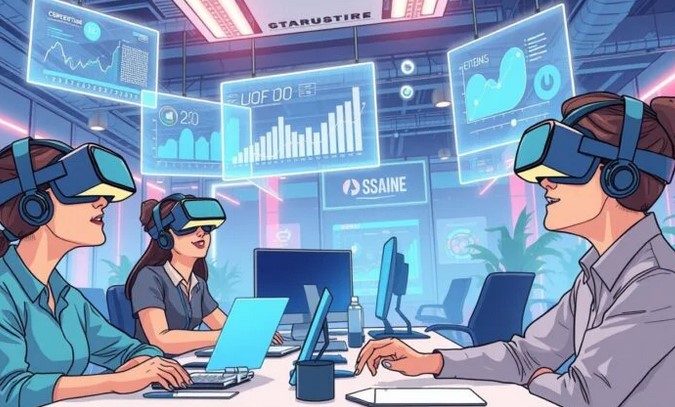
In recent years, the world of design has witnessed a revolutionary shift with the rise of virtual reality (VR) technologies. VR design collaboration is becoming a game-changer for teams working remotely, enabling them to interact, brainstorm, and create together in a shared virtual space, regardless of physical location. This innovation has the potential to redefine how design teams communicate, solve problems, and execute creative projects. By bringing together immersive technology and collaborative tools, VR is breaking down geographical barriers and fostering a new level of creativity, allowing teams to work on projects in ways that were previously unimaginable. In this article, we’ll explore how VR design collaboration is transforming remote teamwork and enhancing the design process across industries.

The Power of VR Design Collaboration

Traditionally, design teams have worked in close-knit environments, gathering around physical workstations to collaborate on projects. This proximity often facilitated brainstorming, feedback sessions, and real-time idea-sharing. However, with the rise of remote work, especially during the COVID-19 pandemic, the dynamics of teamwork have shifted. Virtual design collaboration tools like video calls, shared documents, and cloud-based platforms have helped mitigate some of the challenges of remote work, but these tools are limited in their ability to replicate the physical experience of collaboration.

VR design collaboration, however, provides a breakthrough solution. It allows team members to come together in a fully immersive digital space, where they can interact with 3D models, view designs from different angles, and provide feedback in real-time—just as they would in a physical meeting. This immersive environment fosters more effective communication and creativity, as participants can engage with designs in a more intuitive and dynamic way.

Key Benefits of VR Design Collaboration

  1. Enhanced Communication and Feedback

One of the biggest challenges of remote collaboration is the inability to convey ideas clearly and effectively without face-to-face interaction. VR design collaboration eliminates this barrier by allowing team members to discuss designs in an environment where they can visually manipulate objects and provide instant feedback. For example, in architecture or product design, team members can walk around a 3D model of a building or prototype, offering suggestions and making adjustments on the spot. This interactive experience is far more engaging and effective than traditional 2D presentations or static images.

  1. Immersive Prototyping and Visualization

For designers, visualizing concepts is a crucial part of the creative process. With VR, teams can prototype their designs and view them in a fully immersive environment, making it easier to identify potential issues and refine ideas. For example, a car manufacturer can create a VR model of a vehicle and have the design team virtually step inside to test ergonomics, materials, and user interface functionality. This level of immersion allows designers to make more informed decisions early in the development cycle, saving both time and money.

  1. Global Collaboration in Real-Time

Traditionally, remote design collaboration involved time zone coordination and the exchange of files or recorded presentations. This process could often lead to delays and misunderstandings. VR design collaboration removes these time constraints, allowing team members from different parts of the world to collaborate in real-time. Through shared VR spaces, a designer in New York, an architect in Tokyo, and an engineer in Berlin can work together seamlessly, discussing concepts, reviewing models, and brainstorming solutions in an immersive environment. The ability to work in real-time without the need for physical travel has the potential to significantly accelerate project timelines.

  1. Creative Freedom and Innovation

The immersive nature of VR fosters a new level of creativity. Team members can manipulate and experiment with designs in ways that are not possible with traditional design tools. Designers can instantly resize, reconfigure, and iterate on designs within a 3D space, trying out new ideas without the limitations of 2D or static formats. The freedom to explore designs from multiple perspectives, and in some cases even in interactive simulations, encourages more innovative thinking and creative problem-solving.

Use Cases of VR Design Collaboration Across Industries

The impact of VR design collaboration spans multiple industries, from architecture and automotive design to entertainment and fashion. Let’s explore some real-world use cases where VR is revolutionizing design collaboration.

1. Architecture and Urban Planning

In architecture, VR design collaboration has allowed architects and urban planners to build detailed 3D models of buildings, cities, and public spaces. Instead of relying solely on 2D blueprints, architects can walk through virtual representations of their designs, experiencing the space as it would exist in the real world. This allows them to identify design flaws and make necessary adjustments early in the process.

For example, firms like Gensler and Foster + Partners have adopted VR to present architectural designs to clients in immersive 3D environments. Clients can navigate virtual versions of their future buildings and provide real-time feedback on aspects such as layout, lighting, and aesthetics. This technology also allows designers to collaborate remotely with engineers and construction teams in the early stages of a project, ensuring smoother implementation.

2. Automotive and Product Design

In the automotive industry, companies like BMW and Audi use VR for collaborative design, allowing teams to design and test vehicles before any physical prototypes are made. Engineers, designers, and manufacturers can come together in a virtual space to examine vehicle components, simulate user experiences, and make real-time adjustments. With VR, teams can review the vehicle’s ergonomics, visibility, and performance in an immersive environment, making design iterations faster and more accurate.

Similarly, product designers in industries ranging from electronics to fashion use VR for collaborative brainstorming and prototyping. Instead of relying on physical prototypes, designers can quickly iterate on different product designs and test them with stakeholders remotely. VR technology significantly reduces costs, speeds up the design cycle, and eliminates the need for multiple physical prototypes.

3. Film and Animation Production

In the entertainment industry, VR is used in pre-visualization (previs) for film and animation. Directors, cinematographers, and production designers can work together in a virtual environment to plan scenes, camera angles, and lighting setups before shooting begins. This collaborative approach allows for faster decision-making and more accurate planning, ultimately saving time during production.

Films like “The Lion King” (2019) and “Avatar” (2009) have employed VR technologies in their production pipelines, enabling teams to create more detailed and immersive scenes. VR allows creatives to work together in a 3D environment, fostering better communication and a more refined artistic vision.

The Future of VR Design Collaboration

The future of VR design collaboration is incredibly promising. As VR technology continues to improve, we can expect even more advanced features such as haptic feedback, better motion tracking, and increased resolution, which will further enhance the immersive experience. With the integration of AI and machine learning, VR design tools will become even more intuitive, automatically suggesting design improvements and analyzing user behavior to optimize workflows.

Furthermore, as 5G networks roll out globally, VR collaboration will become more seamless and accessible, with faster download speeds and lower latency allowing for more fluid, real-time interaction between remote team members.

In conclusion, VR design collaboration is set to redefine how design teams collaborate, innovate, and create—especially in the era of remote work. By offering immersive environments for communication, prototyping, and visualization, VR enables teams to collaborate in ways that were previously impossible, regardless of their physical locations. As industries ranging from architecture and automotive design to entertainment and fashion continue to adopt VR, the potential for enhanced creativity, faster iteration, and better decision-making is immense. As VR technology evolves, the future of collaborative design holds exciting possibilities, pushing the boundaries of creativity and transforming how we approach teamwork in the digital age.

Virtual Reality

VR Ecommerce: Shopping in Immersive Virtual Worlds

Source:https://metapress.com

In recent years, technology has drastically reshaped the way we shop, and with the emergence of VR ecommerce, the shopping experience is evolving into something far beyond traditional online retail. Virtual reality (VR) has gained significant traction in various sectors, and now it’s poised to revolutionize the ecommerce landscape by offering an immersive, interactive experience. Imagine stepping into a virtual store, browsing through products, and making purchases without ever leaving the comfort of your home. This is the promise of VR ecommerce, and it’s quickly becoming an exciting frontier in online retail.

In this article, we’ll explore how VR is transforming the ecommerce industry, the benefits of shopping in virtual environments, and what the future holds for this emerging technology.

1. How VR Ecommerce Works: A New Era of Digital Shopping

At its core, VR ecommerce integrates virtual reality technology with the online shopping experience, creating immersive environments where customers can interact with products and make purchasing decisions in a much more engaging and realistic way. Traditional online shopping typically involves browsing through images and product descriptions on a screen, often without the tactile experience of physically seeing or touching the product. VR aims to eliminate these limitations by placing users in lifelike virtual environments where they can experience products from every angle.

Virtual Stores and Showrooms

One of the most exciting aspects of VR ecommerce is the ability to create virtual stores or showrooms. These virtual spaces are designed to replicate real-world stores, offering a 3D environment where users can walk through aisles, interact with items, and view them in high detail. For example, if you’re shopping for furniture, VR can allow you to visualize how a couch will look in your living room, or how a new pair of shoes might look on your feet—virtually, of course.

These virtual environments can be tailored to individual brands or products, giving retailers a unique way to showcase their merchandise. Some companies are already developing highly interactive 3D catalogs that allow users to virtually pick up and examine items in a way that traditional ecommerce simply cannot offer.

Product Customization and Fitting

Another benefit of VR ecommerce is the ability to offer personalized experiences. Customers can engage with products in real-time, customizing items to their liking before making a purchase. For instance, a user shopping for clothing can try on virtual garments using an avatar, tweaking colors and sizes to see what fits them best. Similarly, in the automotive industry, VR can provide a virtual test drive, enabling customers to experience the performance of a car without ever stepping into a dealership.

By incorporating augmented reality (AR) features into these environments, users can even superimpose products into their real-world spaces. This allows for highly tailored shopping experiences that were once unimaginable in traditional online retail.

2. The Benefits of VR Ecommerce for Consumers and Retailers

As the ecommerce landscape continues to evolve, VR ecommerce offers several key advantages that benefit both consumers and retailers.

Immersive and Interactive Shopping Experience

The most obvious benefit of VR ecommerce is the immersive experience it offers. Instead of browsing flat images or text on a webpage, consumers can step into virtual stores and engage with products in a more interactive manner. Whether it’s through trying on clothes, customizing products, or interacting with 3D models, VR elevates the shopping experience by making it more tangible and realistic. This is especially appealing to consumers who crave the in-person shopping experience but want the convenience of online retail.

Increased Engagement and Brand Loyalty

For retailers, VR ecommerce provides an opportunity to create highly engaging and memorable shopping experiences that could lead to increased customer retention and brand loyalty. Virtual stores offer a novel experience that attracts attention and builds a deeper connection with customers. By allowing users to interact with their brand in innovative ways, retailers can differentiate themselves in an increasingly competitive market.

Additionally, VR can be a tool for storytelling. Brands can immerse customers in a narrative that goes beyond the product itself, offering experiences that evoke emotions, build excitement, and foster a sense of community.

Cost Savings and Operational Efficiency

While developing and maintaining a VR ecommerce platform may seem costly at first, it can lead to long-term savings. Virtual showrooms and stores eliminate the need for expensive physical retail spaces, allowing businesses to scale operations without investing in brick-and-mortar infrastructure. VR platforms also reduce the need for traditional product demonstrations or in-store staff, as customers can interact with virtual representatives and detailed product information at their convenience.

Enhanced Customer Confidence and Reduced Returns

One common issue with online shopping is the uncertainty around product quality, fit, and appearance. With VR ecommerce, customers can visualize products in a much more detailed and realistic way, which can significantly increase their confidence in making purchases. Whether they are viewing clothing on an avatar or trying out a piece of technology in a virtual space, this enhanced visualization can reduce the likelihood of returns, ultimately benefiting both consumers and retailers.

3. The Future of VR Ecommerce: What’s Next?

While VR ecommerce is still in its early stages, the potential for this technology to reshape the retail landscape is vast. As VR technology continues to evolve and become more accessible, the future of online shopping could look very different from what we know today.

Integration with AI and Machine Learning

One possible future development for VR ecommerce is the integration of artificial intelligence (AI) and machine learning to further personalize the shopping experience. By analyzing customer behavior and preferences, AI can suggest products, create customized shopping experiences, and even guide users through their virtual shopping journey. For example, an AI-driven virtual assistant could help users navigate through a virtual store, offer personalized recommendations, and provide additional information about the products they are viewing.

Cross-Platform Shopping and Social Integration

In the coming years, we may also see VR ecommerce integrate with other social platforms, allowing users to share virtual shopping experiences with friends and family in real time. Imagine walking through a virtual store with a friend who is miles away, trying out products and making decisions together. Social commerce, powered by VR, could change how we shop by blending social interaction and shopping into a seamless experience.

Additionally, the ability to shop across various platforms and devices (from VR headsets to smartphones) will provide even more flexibility, allowing consumers to interact with brands and make purchases in the way that suits them best.

Broad Industry Applications

The influence of VR ecommerce will extend far beyond retail. Industries such as real estate, travel, education, and healthcare are already exploring how VR can enhance their services. For instance, real estate companies are using virtual tours to allow potential buyers to explore homes, while travel agencies are offering virtual destination tours to inspire vacation bookings. As VR technology becomes more widespread, the possibilities for how it can enhance customer experiences in various sectors are limitless.

The rise of VR ecommerce marks the beginning of a new era in online shopping. As consumers increasingly seek more immersive, engaging, and personalized experiences, virtual reality offers a unique solution that traditional ecommerce simply cannot match. By creating interactive virtual stores, offering product customization, and reducing uncertainty in purchasing decisions, VR ecommerce is poised to transform the retail industry. As this technology continues to evolve, it will undoubtedly play a major role in shaping the future of how we shop, bridging the gap between physical and digital experiences in a way never before possible.