Gadgets

Wireless Karaoke Microphones: Sing Anytime, Anywhere

Source:https://m.media-amazon.com

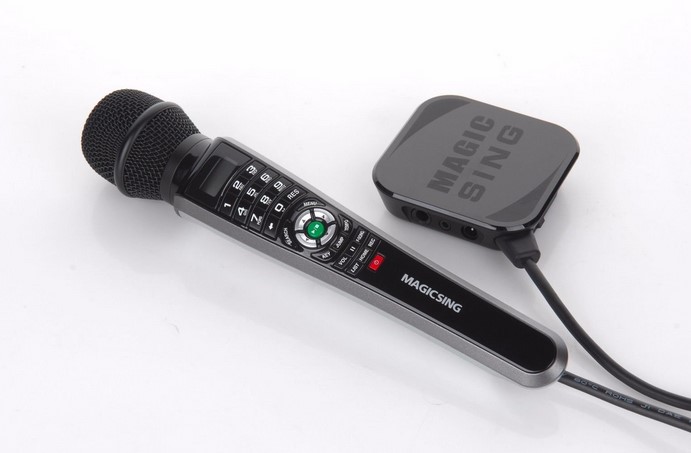
In recent years, wireless karaoke microphones have become a game-changer for music enthusiasts, allowing people to unleash their inner performers without being confined to a traditional karaoke setup. These portable and easy-to-use devices are transforming the way we experience karaoke, enabling users to sing anytime, anywhere, whether at home, at a party, or even on the go. Thanks to innovations in wireless technology, karaoke enthusiasts no longer need to worry about tangled cords or being tethered to a specific location. This article will explore how wireless karaoke microphones are revolutionizing the karaoke experience, their benefits, and how to choose the best microphone for your needs.

The Rise of Wireless Karaoke Microphones

Wireless karaoke microphones are an innovative solution to the common problems associated with traditional karaoke systems. Traditionally, karaoke setups required a microphone, speakers, and a screen for lyrics, all connected by various cables. This limited the flexibility and mobility of karaoke singers, who were often restricted to a specific spot. However, with the advent of wireless technology, wireless karaoke microphones now allow users to freely roam around while performing, providing a much more flexible and enjoyable experience.

The appeal of wireless karaoke microphones extends beyond the physical limitations of wired microphones. These devices come with built-in speakers, microphones, and even Bluetooth connectivity, making it incredibly easy to pair them with smartphones, tablets, or laptops for a karaoke session. Whether you’re hosting a backyard party, having a solo practice session, or just having fun with friends, these microphones offer a convenient and portable karaoke experience.

Thanks to their versatility, wireless karaoke microphones are becoming a popular choice for karaoke lovers of all ages and skill levels. Whether you’re a seasoned singer or someone just looking to have fun with family and friends, the ease of use and portability offered by these microphones make them a valuable tool for anyone who enjoys music.

Benefits of Wireless Karaoke Microphones

1. Portability and Convenience

One of the biggest advantages of wireless karaoke microphones is their portability. Unlike traditional wired setups, which require you to be tethered to a particular spot, these microphones can be taken anywhere. Whether you’re at a party, camping, or even traveling, you can easily carry a wireless microphone in your bag or backpack. This portability makes them ideal for impromptu singing sessions, making karaoke more accessible and enjoyable no matter where you are.

Many wireless karaoke microphones are lightweight and come with rechargeable batteries, meaning you won’t have to worry about constantly changing batteries or being near an electrical outlet. With just a few hours of charging, you can enjoy hours of uninterrupted singing. Some models even offer USB charging, making it easier to recharge on the go.

2. Ease of Setup

Another major benefit of wireless karaoke microphones is how easy they are to set up. Unlike traditional karaoke systems, which require connecting multiple devices and ensuring compatibility, wireless microphones are simple to pair with your mobile devices or speakers via Bluetooth. This makes them incredibly user-friendly and ideal for people who want to sing without dealing with complex wiring or equipment setup.

Many models come with built-in speakers, so you don’t even need to connect them to an external sound system. All you have to do is turn on the microphone, pair it with your device, and start singing! For those who prefer a more robust sound system, there are models that can connect to Bluetooth speakers for a louder and more immersive experience.

3. Sound Quality

While many wireless karaoke microphones are compact and portable, they don’t compromise on sound quality. In fact, some models are designed with high-quality audio components that ensure clear vocals and minimal distortion. Built-in noise reduction and echo effects are common features, making your singing sound polished and professional.

The microphone’s sensitivity and frequency response are important factors when considering sound quality. Look for microphones that provide crisp, clear sound, as well as those with adjustable volume and echo controls for customized audio. High-end models may even include wireless range and signal enhancement features to maintain consistent sound quality, even when you’re moving around.

4. Multi-Functionality

Today’s wireless karaoke microphones are not just for singing; they often come with a variety of additional features that enhance the karaoke experience. Many models allow you to adjust the volume of the microphone, background music, and even add sound effects like reverb, delay, and echo. Some advanced microphones come with built-in mixers or control panels, enabling users to fine-tune the audio settings for a more professional performance.

Bluetooth connectivity also allows you to use the microphone with various karaoke apps on smartphones and tablets, expanding the range of songs available to you. Additionally, many wireless karaoke microphones include an LED light show that synchronizes with your voice, adding a fun visual element to your performance.

Key Features to Consider When Choosing a Wireless Karaoke Microphone

When shopping for a wireless karaoke microphone, there are several factors to consider to ensure you get the best experience. Here are some key features to look for:

1. Battery Life

The battery life of a wireless microphone is crucial for extended karaoke sessions. Look for microphones that offer long-lasting rechargeable batteries, with some models offering 4-8 hours of continuous use on a single charge. For longer events or frequent use, a microphone with quick-charging features or a long battery life will be ideal.

2. Bluetooth Range and Connectivity

The Bluetooth range of a wireless karaoke microphone determines how far you can roam from your connected device while still maintaining a stable connection. A microphone with a long Bluetooth range allows you to move freely around the room without worrying about losing connection. Most wireless microphones offer a range of 30 feet or more, which should be sufficient for most home or party settings.

3. Sound Quality

As mentioned earlier, the sound quality of the microphone is a key consideration. Look for microphones with a good frequency response range and high-quality audio components. Additionally, consider features like noise cancellation, echo effects, and volume control to further enhance the sound quality.

4. Durability and Build Quality

Given that karaoke sessions can sometimes get a little rowdy, it’s essential to choose a microphone that is durable and well-built. Look for microphones made from high-quality materials that can withstand accidental drops or bumps. Some models are designed to be water-resistant or shockproof, making them perfect for outdoor use or travel.

5. Ease of Use

For a hassle-free experience, choose a microphone that is simple to use and set up. Opt for models with user-friendly controls, easy Bluetooth pairing, and intuitive volume adjustments. Many microphones also come with a companion app that makes it easy to select songs, adjust settings, and access various karaoke features.

In conclusion, wireless karaoke microphones are revolutionizing the karaoke experience, offering greater convenience, portability, and versatility than ever before. These innovative devices provide a seamless way for individuals to sing anytime and anywhere, without the limitations of traditional karaoke setups. Whether you’re hosting a party, practicing your singing skills, or just looking for a fun way to unwind, a wireless karaoke microphone offers endless possibilities for entertainment. With their ease of use, superior sound quality, and multi-functionality, wireless karaoke microphones are undoubtedly the future of karaoke—making it accessible and enjoyable for everyone, anytime and anywhere.

IoT

IoT Sensors: Powering Smart Cities and Industry 4.0

Source:https://southeastasiainfra.com

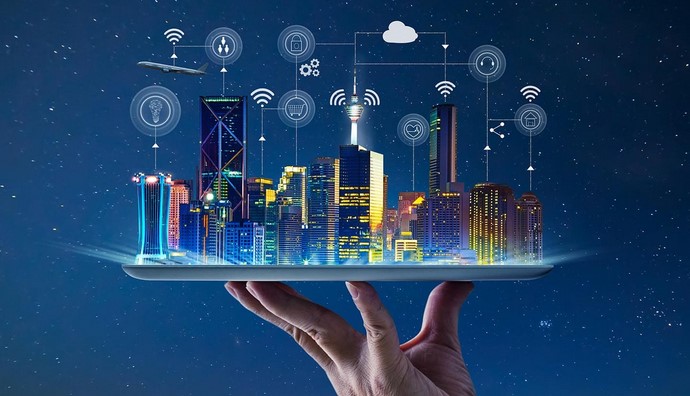
In an era where connectivity and automation are increasingly defining the way we live and work, IoT sensors are emerging as a cornerstone of modern technological advancements. These sensors, embedded in devices and infrastructure, collect real-time data and communicate with other systems, enabling a level of connectivity and efficiency never before possible. Whether it’s optimizing urban infrastructure for a smart city or enhancing automation processes in manufacturing for Industry 4.0, IoT sensors are driving unprecedented changes across industries. In this article, we will explore how IoT sensors are fueling the next wave of innovation, transforming cities and industries into smarter, more responsive systems.

What Are IoT Sensors?

The term IoT sensors refers to small devices embedded in everyday objects or systems that collect data from their environment and transmit that information to other devices or centralized platforms. These sensors can detect various types of information, such as temperature, humidity, motion, light, pressure, and much more. By transmitting data in real-time via internet connectivity, IoT sensors play a critical role in enabling the Internet of Things (IoT) ecosystem, where devices can communicate, analyze, and respond to their environment autonomously.

In a smart city, IoT sensors are deployed across urban infrastructure—such as traffic lights, waste management systems, public transportation, and environmental monitoring tools—to gather valuable data that can be used to improve the efficiency and quality of urban living. In Industry 4.0, IoT sensors are key to the seamless integration of machines, sensors, and processes, enabling the automation of manufacturing and supply chain operations for greater precision and cost-efficiency.

The ability of IoT sensors to provide real-time data makes them a critical enabler of smart technologies. Let’s dive deeper into their applications in both smart cities and Industry 4.0.

IoT Sensors in Smart Cities

The concept of a smart city refers to an urban area that uses technology to improve the quality of life for its residents, reduce environmental impact, and enhance operational efficiency. At the core of this transformation lies the deployment of IoT sensors, which enable cities to collect and analyze data from various systems to make informed, data-driven decisions.

1. Traffic Management

One of the most immediate and impactful applications of IoT sensors in smart cities is in traffic management. By installing sensors on roads, traffic lights, and vehicles, cities can monitor traffic flow in real-time. These sensors can detect congestion, accidents, or road closures and immediately adjust traffic signals or redirect drivers to avoid bottlenecks. Furthermore, the data collected can be used to design smarter, more efficient road systems that minimize delays and improve traffic safety.

For example, intelligent traffic lights powered by IoT sensors can dynamically adjust their cycles based on real-time traffic data, ensuring smoother traffic movement and reducing overall travel times for commuters.

2. Environmental Monitoring

IoT sensors are also transforming how cities monitor and manage environmental factors such as air quality, water levels, and noise pollution. By placing sensors in various locations throughout the city, municipalities can continuously track pollutants, monitor weather patterns, and even detect hazardous situations like floods or gas leaks. This real-time data allows city officials to take prompt action in response to environmental threats, improving public health and safety.

Additionally, environmental data collected by IoT sensors can be used to inform urban planning decisions, such as the placement of green spaces, pollution control measures, or disaster preparedness strategies.

3. Energy Efficiency

Smart cities are also embracing IoT sensors to improve energy efficiency and reduce waste. Sensors embedded in street lights, buildings, and power grids allow cities to monitor energy usage and identify opportunities for optimization. For instance, smart street lights equipped with motion sensors can dim when no one is around, saving energy and reducing costs. Similarly, IoT sensors in buildings can monitor occupancy and adjust heating, ventilation, and air conditioning (HVAC) systems accordingly to ensure energy is not wasted.

By collecting and analyzing data, cities can optimize energy consumption and contribute to sustainability goals while reducing operational expenses.

4. Waste Management

Waste management is another area where IoT sensors are making a big impact. Traditional waste management systems often rely on scheduled pickups, which can lead to inefficiencies when bins are either too full or too empty. With IoT sensors in waste bins, cities can monitor fill levels in real-time, triggering pickups only when necessary. This optimizes resources, reduces fuel consumption from waste collection vehicles, and minimizes the environmental impact.

IoT Sensors in Industry 4.0

Industry 4.0 refers to the next phase of industrial revolution, where factories and manufacturing facilities are transformed by automation, data exchange, and smart technologies. At the heart of this transformation are IoT sensors, which enable real-time data collection and analysis from machinery, production lines, and entire supply chains.

1. Predictive Maintenance

One of the most significant applications of IoT sensors in Industry 4.0 is predictive maintenance. In traditional manufacturing environments, equipment failure can lead to costly downtime, repairs, and production delays. However, with IoT sensors embedded in machines, manufacturers can monitor the health of their equipment in real-time, detecting early signs of wear or malfunction before they lead to breakdowns.

By using predictive algorithms and data analysis, maintenance teams can schedule repairs or part replacements only when necessary, reducing downtime, improving equipment lifespan, and saving on unnecessary maintenance costs.

2. Supply Chain Optimization

IoT sensors are also revolutionizing the management of supply chains. From tracking inventory in warehouses to monitoring shipments in transit, IoT sensors provide visibility into every step of the supply chain. This enables manufacturers and retailers to make data-driven decisions to optimize their operations.

For instance, IoT sensors can track the location and condition of products as they move through the supply chain. Real-time monitoring can help identify bottlenecks or delays, allowing companies to take corrective action. Additionally, sensors can monitor product conditions (e.g., temperature-sensitive items) to ensure that products are not damaged during shipping.

3. Smart Manufacturing

In Industry 4.0, manufacturing is becoming more automated and intelligent. IoT sensors are crucial in creating “smart factories,” where machines, robots, and other devices are interconnected and can communicate with each other. These sensors enable machines to self-monitor their performance, adjust operations in real-time, and even collaborate with other machines to improve efficiency.

For example, sensors can monitor the quality of products on a production line, immediately detecting defects and triggering automatic corrections. This level of automation allows manufacturers to reduce waste, enhance product quality, and increase production efficiency.

4. Energy Management

Similar to their use in smart cities, IoT sensors are also used in industrial settings to optimize energy consumption. By embedding sensors in machines and equipment, manufacturers can monitor energy usage and identify opportunities to reduce waste. Sensors can also be used to monitor temperature and humidity levels in manufacturing environments, ensuring that optimal conditions are maintained for both energy efficiency and product quality.

Challenges and Future of IoT Sensors

Despite the vast potential of IoT sensors, there are still several challenges to overcome. One of the main challenges is ensuring the security and privacy of the data being collected. With IoT sensors gathering sensitive information, it is crucial to implement robust cybersecurity measures to protect against hacking and data breaches.

Additionally, the sheer volume of data generated by IoT sensors can be overwhelming. Effective data management, storage, and analysis solutions are essential to ensure that organizations can extract valuable insights without being inundated by noise.

However, the future of IoT sensors looks promising. As technology advances, we can expect more sophisticated sensors that are smaller, more energy-efficient, and capable of collecting more diverse types of data. The integration of artificial intelligence (AI) and machine learning (ML) with IoT sensors will enable even smarter, autonomous systems that can adapt and evolve in real time.

In conclusion, IoT sensors are pivotal in driving the transformation of both smart cities and Industry 4.0. Their ability to collect real-time data and enable smarter decision-making is enhancing the efficiency, sustainability, and security of urban environments and industrial processes. From traffic management and waste reduction in smart cities to predictive maintenance and energy optimization in manufacturing, IoT sensors are powering a new era of connectivity and automation. As technology continues to evolve, we can expect these sensors to play an even greater role in shaping the future of our cities and industries, paving the way for smarter, more connected worlds.

Gadgets

Wireless Charging Stations: The Next Step in Mobile Convenience

Source:https://www.vegerpower.com

In an increasingly digital world where smartphones, tablets, and wearables have become essential tools for both personal and professional life, the need for convenient charging solutions has never been more pressing. Wireless charging stations have emerged as a game-changing innovation, offering a frictionless way to power up devices without the hassle of tangled cords and plugs. With the rise of wireless charging technology, the way we interact with our devices is set to become even more efficient, providing a seamless charging experience that blends into the modern, fast-paced lifestyle. This article will explore the benefits of wireless charging stations, their potential to change how we think about charging, and what the future holds for this technology.

Understanding Wireless Charging Technology

Wireless charging, also known as inductive charging, uses electromagnetic fields to transfer energy between two objects, typically a charging pad and a device. The process involves an electromagnetic coil embedded in both the charging station and the device. When the device is placed on the charging pad, the two coils create an electromagnetic field that allows power to be transferred wirelessly. This technology eliminates the need for a physical connection between the device and the charger, making it far more convenient than traditional plug-in methods.

The development of wireless charging stations has been a game-changer, particularly for mobile devices, as it removes the physical limitations of cables and connectors. Over the past decade, wireless charging has evolved from a niche, experimental technology to a mainstream solution, with major tech companies like Apple, Samsung, and Google integrating wireless charging into their devices. Now, wireless charging stations are not only available in homes and offices but are also making their way into public spaces like airports, cafes, and even cars, offering unparalleled convenience for device owners.

Benefits of Wireless Charging Stations

1. Convenience and Simplicity

One of the most obvious advantages of wireless charging stations is their unparalleled convenience. Gone are the days of fumbling with tangled cords or searching for an available outlet. With wireless charging, users can simply place their device on the charging pad, and the charging process begins automatically. This hands-free approach means no more plugging and unplugging cables, which can be especially beneficial in public spaces like airports or offices where users are often in a hurry.

Furthermore, many wireless charging stations offer the ability to charge multiple devices simultaneously. For example, some models can charge smartphones, tablets, smartwatches, and wireless earbuds all at once, making them an ideal solution for those who use multiple devices throughout the day. This multi-device support adds a level of flexibility that traditional wired chargers simply cannot match.

2. Reduced Wear and Tear on Ports

Frequent plugging and unplugging of charging cables can cause wear and tear on both the charging port and the cable itself. Over time, this can lead to loose connections, which may result in inconsistent charging or even device damage. Wireless charging stations eliminate this problem entirely, as there is no physical connection required. This not only helps preserve the longevity of your device’s charging port but also reduces the number of cables you need to replace over time, which is both cost-effective and environmentally friendly.

3. Sleek and Minimalistic Design

Wireless charging stations are often designed with aesthetics in mind, offering a sleek and modern look that complements contemporary living spaces, offices, and even vehicles. Unlike traditional charging setups, which can be cluttered with cords, wireless charging stations offer a clean, minimalist approach. Whether you are using a charging pad on your desk or a wireless charger integrated into your car, these stations seamlessly blend into the environment, providing a more aesthetically pleasing and organized charging solution.

Many wireless charging stations are also compact and portable, making them easy to carry around. This is ideal for professionals who need to keep their devices charged while traveling or for anyone looking for a more streamlined, clutter-free charging experience at home.

4. Future-Proof Technology

As mobile devices continue to evolve, wireless charging stations are positioned to remain relevant, with future advancements in technology offering even more efficient and faster charging solutions. The latest wireless charging standards, such as Qi wireless charging, support faster charging speeds than ever before, meaning users can enjoy quick and efficient power-ups without being tethered to a wall outlet.

Moreover, as more devices, from smartphones to wearables to home appliances, begin to integrate wireless charging capabilities, wireless charging stations will become increasingly important in the future. The shift toward more universal standards for wireless charging means that soon, nearly all of your devices will be able to charge on the same pad, reducing the need for multiple different chargers.

Key Considerations for Choosing a Wireless Charging Station

1. Charging Speed

When choosing a wireless charging station, it’s essential to consider the charging speed. Some wireless chargers offer fast charging capabilities, allowing users to power up their devices more quickly. However, the charging speed may vary depending on factors such as the device being charged, the power output of the charging station, and the type of wireless charging standard being used.

For instance, modern smartphones that support fast wireless charging can take advantage of higher wattage chargers for quicker power-ups. However, it’s important to note that not all devices are compatible with fast wireless charging, so it’s crucial to check whether your device supports it before making a purchase.

2. Compatibility

While wireless charging stations are increasingly standard across devices, it’s still important to ensure that your device is compatible with the charging pad. Most modern devices support the Qi wireless charging standard, but it’s always a good idea to check the specifications to make sure your device will charge efficiently on the station. Some charging pads also support multiple devices, so if you have a smartphone, smartwatch, and wireless earbuds, make sure the station is designed to handle all of these simultaneously.

3. Design and Aesthetics

Design is another critical factor when selecting a wireless charging station. Whether you plan to place the charging pad on your desk, nightstand, or car dashboard, you’ll want a station that fits seamlessly into your space. Many wireless charging stations come in various shapes and materials, such as wood, leather, or metal, which allow you to choose one that complements your decor.

Some wireless charging stations are even integrated into furniture pieces, such as desks, tables, and nightstands, offering a discreet and convenient charging solution that eliminates the need for an external charging pad.

4. Price

While the technology behind wireless charging stations is continually improving, the prices of these devices can vary widely depending on the features, design, and brand. Budget options typically offer basic functionality, while high-end models may include advanced features such as fast charging, multi-device charging, and enhanced durability. As with any tech purchase, it’s essential to weigh the features and the price to ensure you’re getting the best value for your needs.

As mobile devices continue to integrate more advanced features, the need for efficient, convenient charging solutions will only increase. Wireless charging stations offer an innovative, simple, and elegant way to power devices without the limitations of traditional charging cables. With benefits such as enhanced convenience, reduced wear and tear on ports, and sleek design, wireless charging stations are fast becoming an essential part of modern living. Looking ahead, as wireless charging technology evolves and more devices adopt this feature, we can expect wireless charging stations to become even more ubiquitous and integral to our daily lives. Whether at home, in the office, or on the go, these stations are undoubtedly the next step in mobile convenience.