Artificial Intelligence

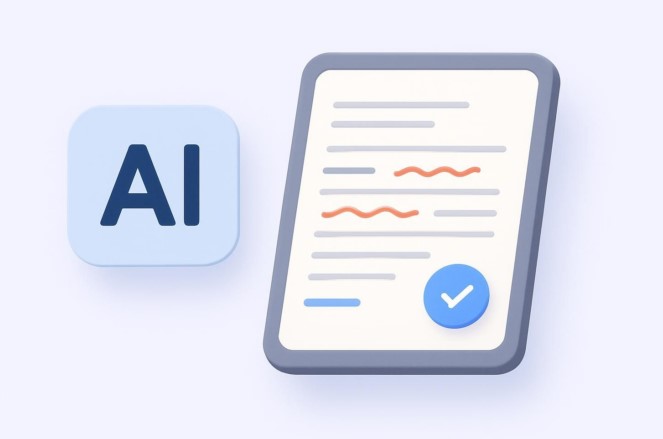
AI Powered Grammar Checkers for Flawless Writing

Source:https://www.jotform.com

I once sat in a high-stakes boardroom, ready to present a revolutionary HealthTech software architecture to a group of international investors. I had spent weeks on the technical specs, but as the first slide hit the screen, my heart sank. A glaring typo in the main heading—”Patient Data Saftey”—stared back at me. In that split second, the technical brilliance of the project felt overshadowed by a simple linguistic slip.

That moment changed how I viewed writing. In the tech industry, precision isn’t just about code; it’s about communication. Over the last decade, I’ve watched writing tools evolve from clunky spell-checkers that couldn’t tell “there” from “their” into sophisticated AI powered grammar checkers that understand nuance better than some humans.

If you’ve ever felt the sting of a sent email you wish you could pull back, or if you struggle to make your professional English sound “natural,” this deep dive is for you.


The Evolution of the Digital Editor

In the early days of my career, grammar checkers were like a rigid school teacher with a ruler. They checked for hard-coded rules: “Do not end a sentence with a preposition.” They were binary—either right or wrong.

Today’s AI powered grammar checkers are more like a seasoned editor sitting next to you. They don’t just look at words; they look at Context, Intent, and Tone. They understand that a technical white paper requires a different “voice” than a casual Slack message to a teammate.


1. How AI Powered Grammar Checkers Actually Work

To understand why these tools are so much better now, we have to look “under the hood” at the technology. Most modern checkers utilize Natural Language Processing (NLP) and Deep Learning.

The Brain Behind the Screen

Think of the old spell-checker as a simple dictionary. If the word isn’t in the book, it’s wrong. An AI-powered checker, however, uses a Neural Network.

It has “read” billions of sentences from books, articles, and academic papers. Because of this, it understands Semantic Meaning.

  • Analogi: If a traditional checker is a map, an AI checker is a GPS with real-time traffic updates. The map tells you where the road is, but the GPS tells you if the road is currently blocked by a confusing sentence structure.


2. Beyond Spelling: The Three Pillars of Modern AI Editing

When you use AI powered grammar checkers, you aren’t just fixing typos. You are enhancing three critical areas of your writing:

A. Clarity and Conciseness

In the tech world, we tend to over-explain. AI tools are excellent at identifying “fluff.” They might suggest changing “at this point in time” to “now.” For someone writing a technical manual or a clinical summary, this brevity is vital for readability.

B. Tone and Engagement

Are you being too aggressive? Too passive? AI tools now feature Tone Detectors. They analyze your word choice and tell you if you sound professional, joyful, or urgent. This is a game-changer for non-native English speakers trying to navigate cultural nuances in business.

C. Structural Logic

Intermediate-level AI tools can now spot “dangling modifiers” or inconsistent tenses across paragraphs. They ensure that if you start a report in the past tense, you don’t accidentally slip into the present mid-way through.


3. The Tech Stack: Top AI Writing Tools for 2026

Having tested dozens of platforms during my tenure as a writer and tech consultant, I’ve narrowed down the most effective AI powered grammar checkers based on specific needs:

  • Grammarly: Still the heavyweight champion for general use. Its browser extension and desktop integration make it nearly invisible and highly efficient.

  • ProWritingAid: The “Engineer’s Choice.” It provides deep-dive reports on sentence length variance, repeated words, and “sticky” sentences.

  • Hemingway Editor: While not a “checker” in the traditional sense, its AI focuses on making your writing bold and clear. It’s perfect for breaking down complex HealthTech jargon.

  • Quillbot: Excellent for Paraphrasing. If you have the data but can’t find the right way to say it, Quillbot’s AI helps restructure your thoughts without losing the meaning.


4. Technical Integration: APIs and The Future of Writing

For my more technical readers, the real power lies in API Integration. We are seeing a shift where AI powered grammar checkers aren’t just separate apps; they are being baked into our Content Management Systems (CMS) and Integrated Development Environments (IDEs).

Using Large Language Models (LLMs) like GPT-4o or Claude 3.5, developers are building custom grammar “wrappers” that understand specific industry terminology. In HealthTech, this means a checker that knows the difference between “asymptomatic” and “non-symptomatic” and won’t flag medical Latin as a “spelling error.”


5. Expert Advice: The “Hidden Warning”

As much as I love these tools, I have a warning for you that I’ve learned the hard way.

Tips Pro: Never click “Accept All” suggestions. AI is a co-pilot, not the captain. Sometimes, the AI will suggest a “correct” word that completely changes the technical meaning of a medical or legal term.

Beware of Digital Homogenization. If you follow every single AI suggestion, your writing can end up sounding “robotic” and lose its unique human personality. Use the AI to fix the errors, but keep your “voice” intact.


6. Scannable Checklist for Flawless Content

Before you hit “Send” or “Publish,” run your text through this mental (and digital) filter:

  • Check the Goal: Did you set the AI’s “Goal” setting (e.g., Academic vs. Creative)?

  • Scan for Red/Yellow Lines: Focus on grammatical errors first, then style suggestions.

  • Read Out Loud: If the AI’s “clearer” version sounds like a robot wrote it, ignore the suggestion.

  • Verify Technical Terms: Ensure the AI hasn’t “corrected” a niche technical keyword into something generic.


Summary: Your Professional Edge

In an era where your digital presence is often your first impression, AI powered grammar checkers are no longer optional. They are the final layer of polish on your hard work. By using these tools, you ensure that your audience focuses on your brilliant ideas, not your misplaced commas.

Whether you are a developer writing documentation or a student crafting your first thesis, let the AI handle the “rules” so you can focus on the “vision.”


What’s your “Writing Nightmare”?

Have you ever had a typo ruin a big moment, or are you looking for an AI tool that fits a specific technical niche? Drop a comment below and tell me about your favorite writing tool—or the one mistake you’ll never make again!

Artificial Intelligence

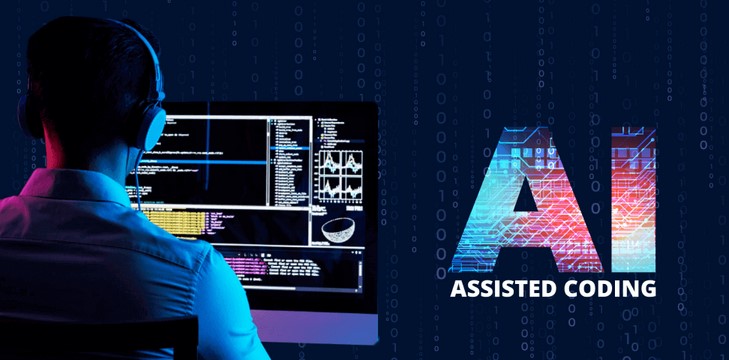
AI Coding Assistants: Helping Developers Write Smarter Code

Source:https://d3lkc3n5th01x7.cloudfront.net

The software development landscape is evolving rapidly, driven by growing complexity, shorter release cycles, and increasing demand for high-quality applications. In this dynamic environment, ai coding assistants are emerging as transformative tools that support developers in writing, reviewing, and optimizing code more efficiently. By leveraging machine learning models trained on vast repositories of programming knowledge, these intelligent systems provide contextual suggestions, automate repetitive tasks, and enhance overall productivity. As organizations strive to accelerate innovation without compromising reliability, AI-powered coding support is becoming an essential component of modern development workflows.

Transforming the Software Development Process

Traditional software development requires a combination of technical expertise, logical reasoning, and continuous problem-solving. Developers must write syntactically correct code, follow best practices, manage dependencies, and ensure security—all while meeting strict deadlines. This complexity can lead to errors, inefficiencies, and prolonged debugging cycles.

AI-driven coding tools streamline many of these challenges by offering real-time code completions, intelligent suggestions, and automated documentation generation. Instead of manually searching for syntax references or reviewing lengthy documentation, developers receive contextual recommendations directly within their integrated development environments (IDEs). This reduces cognitive load and allows them to focus on architectural design and creative problem-solving.

One of the most significant contributions of AI-powered assistance is in code refactoring. By analyzing patterns within a codebase, these systems can suggest optimizations that improve performance and maintainability. They identify redundant functions, highlight potential security vulnerabilities, and recommend cleaner implementations aligned with best practices.

Collaboration also benefits from intelligent automation. AI tools can generate descriptive comments and documentation, making code easier for teams to understand and maintain. For large organizations managing complex projects, this level of clarity significantly reduces onboarding time for new developers.

Beyond productivity gains, AI enhances quality assurance. Automated code analysis detects potential bugs before they reach production environments. By identifying anomalies early, teams can address issues proactively rather than reactively, minimizing costly downtime and reputational risks.

Core Capabilities and Technological Foundations

The effectiveness of AI-powered coding solutions stems from advanced natural language processing and deep learning models trained on diverse programming languages and frameworks.

Context-Aware Suggestions and Code Generation

Modern AI systems are capable of understanding the context of a developer’s code. They analyze variables, functions, and surrounding structures to generate accurate and relevant suggestions. This context awareness distinguishes them from basic autocomplete features found in earlier development tools.

For example, when building an application programming interface (API), AI tools can recommend standardized response structures, validation methods, and error-handling routines. In data science workflows, they can suggest optimized data transformation pipelines or visualization methods based on detected patterns.

Another key capability is automated code generation. Developers can describe a desired function in plain language, and the AI system generates corresponding code snippets. This feature is particularly beneficial for repetitive or boilerplate tasks, such as setting up authentication modules or configuring database connections.

Security is also integrated into intelligent coding assistance. By referencing known vulnerability databases and established security guidelines, AI tools can warn developers about unsafe functions or outdated libraries. This proactive approach supports secure-by-design development practices.

Continuous learning mechanisms further enhance performance. As developers accept or reject suggestions, AI systems refine their recommendations, aligning more closely with individual coding styles and organizational standards. This adaptability ensures that assistance remains relevant and personalized.

Strategic Benefits for Organizations

The adoption of intelligent coding support delivers measurable advantages across multiple dimensions of software development.

First, productivity increases significantly. Developers spend less time searching for solutions and more time implementing features. This efficiency accelerates project timelines and supports agile methodologies that emphasize rapid iteration.

Second, consistency improves across teams. AI tools promote adherence to coding standards and design patterns, reducing variability in implementation approaches. This consistency enhances maintainability and simplifies future updates.

Third, innovation capacity expands. By automating routine tasks, developers can allocate more time to experimentation and strategic planning. Organizations benefit from faster prototyping cycles and the ability to test new ideas with reduced resource constraints.

Cost efficiency is another important consideration. Shorter development cycles and fewer post-release errors translate into reduced operational expenses. Although implementing AI-driven tools requires investment, the return on investment often becomes evident through improved output and reduced maintenance overhead.

However, responsible integration is crucial. AI-generated code must be reviewed and validated to ensure accuracy and compliance with internal standards. Overreliance without critical evaluation could introduce unintended errors. Therefore, organizations should position AI as a collaborative partner rather than a replacement for human expertise.

Training and change management also play vital roles. Developers must understand how to effectively leverage AI recommendations while maintaining accountability for final outcomes. Clear guidelines and governance frameworks ensure ethical and secure usage of intelligent systems.

The Future of Intelligent Coding

Looking ahead, AI-driven development tools are expected to become even more sophisticated. Advances in multimodal AI may enable systems to interpret diagrams, architectural blueprints, and spoken instructions alongside written prompts. This integration will further streamline the transition from concept to implementation.

Predictive analytics could also transform project management. By analyzing historical data, AI systems may forecast potential bottlenecks, recommend resource allocation adjustments, and anticipate performance challenges before they occur.

Collaboration platforms may incorporate AI agents that monitor entire repositories, proactively suggesting architectural improvements and highlighting technical debt. These capabilities could fundamentally reshape how software projects are planned and executed.

Moreover, the convergence of AI with DevOps practices will likely strengthen automation pipelines. Intelligent tools may automatically generate test cases, simulate deployment scenarios, and optimize continuous integration workflows. Such advancements would enhance reliability and reduce manual intervention.

Ethical considerations will remain central to ongoing development. Transparency in training data, mitigation of bias, and protection of proprietary information are critical factors in sustaining trust and ensuring responsible innovation.

As software systems grow more complex and development timelines tighten, intelligent automation is becoming indispensable. By delivering context-aware recommendations, enhancing security, and accelerating coding workflows, ai coding assistants empower developers to produce higher-quality software with greater efficiency. While human expertise remains irreplaceable, AI-driven support tools amplify creativity, precision, and strategic focus. In the evolving digital landscape, organizations that thoughtfully integrate ai coding assistants into their development processes will be better positioned to innovate, compete, and adapt to the ever-changing demands of technology.

Artificial Intelligence

AI Image Generators: Creativity Powered by Algorithms

Source:https://miro.medium.com

Artificial Intelligence (AI) has steadily been infiltrating various fields, with one of its most groundbreaking applications being in the realm of visual arts. AI image generators are revolutionizing the creative industry, offering artists, designers, marketers, and hobbyists a powerful tool to bring their ideas to life with the help of algorithms. These sophisticated systems use deep learning and neural networks to generate images from textual descriptions, making it possible for anyone to create visually stunning content without needing advanced graphic design skills. In this article, we will explore the functionality of AI image generators, their applications, and how they are reshaping the creative landscape.

1. How AI Image Generators Work

AI image generators work by leveraging deep learning models, often based on generative adversarial networks (GANs) or transformer-based architectures, to transform textual prompts into visual outputs. These systems have been trained on massive datasets of images and their associated descriptions, allowing them to learn patterns, styles, and associations between language and visual elements.

At the core of the technology lies the ability of these AI systems to understand natural language and translate it into pixel-based images. For instance, you can input a simple prompt like “a futuristic cityscape at sunset,” and the AI image generator will produce an image that visually matches the description. The process involves two main stages: the generator, which creates images from random noise or textual input, and the discriminator, which evaluates the realism and quality of the generated image. The two networks work together to improve the output, resulting in increasingly refined images over time.

2. Applications of AI Image Generators

a) Revolutionizing Art and Design

AI image generators have become a game-changer in the world of art and design. Artists, both professionals and amateurs, can now explore new creative avenues by generating original pieces of art in seconds. These tools democratize the creative process, giving individuals without formal training the ability to create compelling visual content. Whether it’s generating abstract art, realistic landscapes, or even digital portraits, AI image generators provide endless possibilities for creative expression.

For example, graphic designers can use AI image generators to quickly prototype designs or explore multiple variations of a concept before committing to a final version. This accelerates the creative process and reduces the time spent on manual iterations. Similarly, digital artists can experiment with new styles or themes, allowing them to push the boundaries of their work without spending hours on detailed drawing or painting.

b) Enhancing Marketing and Advertising

In the marketing and advertising industries, AI image generators have proven invaluable for producing high-quality visuals quickly and at a fraction of the cost of traditional methods. Marketers can generate customized visuals for social media posts, advertisements, website banners, and product designs by simply inputting specific prompts that align with their branding message.

These generators can create unique images tailored to particular audiences or demographics, enabling personalized and engaging content. Moreover, AI-generated images can be used in A/B testing to determine which visual assets resonate best with a target audience, optimizing campaign effectiveness. As a result, AI image generators are significantly reducing the reliance on stock images and expensive photoshoots, giving brands the ability to produce fresh, tailored visuals on-demand.

c) Facilitating Content Creation for Video Games and Animation

AI image generators are also being increasingly used in the gaming and animation industries. Designers can use these tools to create realistic textures, environments, characters, and backgrounds in a fraction of the time it would take through traditional manual methods. For instance, when developing expansive video game worlds or animated sequences, AI can generate detailed environments based on a simple textual description or a rough concept sketch, allowing creators to visualize complex scenes with ease.

Furthermore, AI image generators are also being employed to generate concept art for characters or creatures, significantly speeding up the initial stages of production. This not only streamlines workflows but also opens up new possibilities for independent game developers and animators, who might otherwise lack the resources to create high-quality visuals from scratch.

3. Benefits and Challenges of AI Image Generators

a) Benefits of AI Image Generators

  1. Enhanced Creativity: AI image generators serve as powerful tools for inspiration, helping users visualize concepts or creative ideas that they might not have been able to express otherwise. Whether it’s for artists, designers, or marketers, these tools expand the creative potential by offering fresh perspectives on ideas.
  2. Time and Cost Efficiency: Generating high-quality images manually can take a significant amount of time and resources, especially for complex designs or large-scale projects. AI image generators streamline the process, allowing users to create images in minutes, saving both time and money.
  3. Customization: Users can provide highly specific inputs, such as styles, color schemes, or thematic elements, to generate images that align with their exact needs. This flexibility ensures that the generated images are unique and tailored to the project at hand.
  4. Accessibility: AI image generators make high-quality design and art creation accessible to anyone, regardless of technical skill or experience. This democratization of creativity empowers individuals who may not have formal training in graphic design or art but still wish to create visually appealing content.

b) Challenges of AI Image Generators

  1. Ethical Concerns: As AI image generators become more capable, they raise concerns about originality and copyright infringement. AI-generated images often borrow from vast datasets that contain works created by human artists, leading to questions about ownership and fair use. There is ongoing debate about how to address these issues in terms of intellectual property laws and attribution.
  2. Quality Control: While AI image generators are improving in quality, they are not always perfect. Sometimes the images may lack realism, contain artifacts, or fail to meet the user’s expectations. Continuous refinement and feedback are necessary to improve the quality and accuracy of the generated images.
  3. Dependency on Data: AI systems are only as good as the data they are trained on. If the dataset used to train an image generator is biased or incomplete, the outputs may reflect those limitations. This can result in unintentional biases in generated images, particularly in contexts such as diversity representation or cultural sensitivity.
  4. Loss of Human Touch: Despite their capabilities, AI image generators lack the emotional depth, intuition, and personal touch that human artists bring to their work. While AI can produce technically impressive images, it may not fully capture the nuance, intention, or soul that a human creator can imbue into their work.

AI image generators are revolutionizing the world of creativity, offering a new way for individuals and professionals to produce visually striking content with the help of algorithms. By combining the power of deep learning with creative expression, these tools are reshaping industries such as art, design, marketing, gaming, and more. However, like any emerging technology, AI image generators also bring forth challenges, including ethical concerns and issues of quality control. As these tools continue to evolve, they will undoubtedly play a central role in the creative process, enhancing human imagination and productivity. As we look to the future, it is clear that AI image generators will continue to fuel creativity, offering limitless possibilities for artistic and professional growth.

Artificial Intelligence

AI in Robotics: From Automation to Human Collaboration

Source:https://wp.sfdcdigital.com

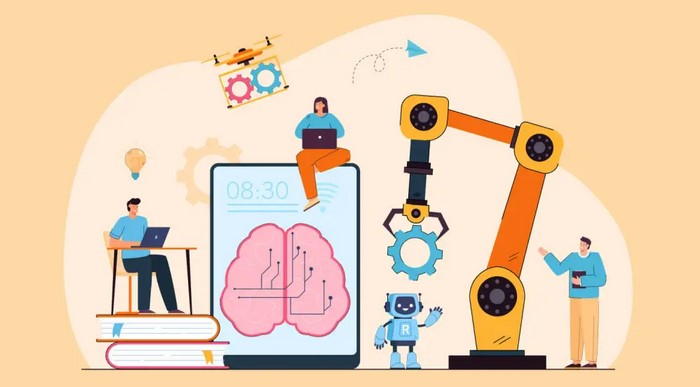
Artificial Intelligence (AI) is no longer confined to the realm of science fiction; it has firmly integrated into various industries, especially in robotics. In recent years, AI in robotics has transformed the way machines interact with the world around them, moving beyond mere automation to sophisticated systems that collaborate with humans. This evolution is not just about making robots smarter or more autonomous; it’s about creating intelligent systems that can understand, predict, and respond to human actions. As we move into the future, the fusion of AI and robotics promises to reshape industries, workplaces, and even our daily lives.

In this article, we’ll explore how AI in robotics is bridging the gap between machines and humans, enhancing automation, improving safety, and enabling new possibilities for human-robot collaboration.

1. The Rise of AI-Powered Automation in Robotics

For decades, robots have been used in manufacturing and other industries to perform repetitive tasks with speed and precision. However, traditional robots were limited to predefined instructions and lacked flexibility. They could carry out specific tasks, like welding, assembly, or packaging, but could not adapt to new environments or interact intelligently with people.

With the integration of AI, robotics has entered a new era of automation. AI-powered robots can now analyze their surroundings, make decisions, and perform complex tasks autonomously. This makes them suitable for a wide range of industries, from manufacturing and healthcare to logistics and even customer service.

Machine Learning and Computer Vision in Robotics

One of the most significant advances in AI in robotics is the use of machine learning and computer vision. These technologies enable robots to “see” their environment and learn from it. Using cameras and sensors, robots can recognize objects, navigate through unfamiliar spaces, and even identify anomalies in real-time.

In manufacturing, for example, robots equipped with AI-powered vision systems can inspect products for defects, sort items based on size or color, and even collaborate with human workers in assembly lines. This ability to learn and adapt in real-time allows robots to operate more efficiently and with fewer errors, reducing the need for manual intervention.

Machine learning, specifically reinforcement learning, also plays a crucial role in AI-driven robotics. This technique enables robots to learn from their mistakes, improving their performance over time without explicit programming. For instance, a robot tasked with sorting different items can learn from trial and error to optimize its sorting process, making it more effective and faster as it gains experience.

2. Human-Robot Collaboration: Enhancing Efficiency and Safety

AI is not only making robots smarter but also enabling them to collaborate seamlessly with humans. This is particularly important in environments where human workers and robots need to work side by side without causing harm to each other.

Collaborative Robots (Cobots)

Collaborative robots, or cobots, are designed to work alongside human workers in a shared workspace. Unlike traditional industrial robots, which are often separated from human workers for safety reasons, cobots can perform tasks like lifting, assembly, and packaging without the need for safety barriers. Thanks to AI, cobots can recognize human movements, adjust their actions accordingly, and even anticipate human intentions.

For example, in a warehouse, a cobot might assist a human worker by transporting heavy items. The AI in the robot helps it understand when the human worker is about to pick up an item and adjusts its movement accordingly to avoid collisions. Cobots are designed to be safe and easy to program, which means that they can be quickly deployed in various industries.

In healthcare, cobots can also assist doctors and nurses in tasks such as lifting patients or delivering medical supplies. AI helps these robots recognize gestures, adapt to dynamic environments, and prioritize safety, which is crucial in healthcare settings where precision and care are paramount.

AI in Robotics for Personal Assistance

Beyond industrial and professional settings, AI in robotics is also making strides in personal assistance. Robots that assist in daily life are being developed for home healthcare, elderly care, and even companionship. These robots can help with mobility, monitor health vitals, and even provide reminders for medication, all while ensuring they understand and respect the personal space of their human companions.

For example, in eldercare, robots equipped with AI-powered sensors can detect when a person falls or if they are experiencing health complications. The robot can then alert a caregiver or family member, potentially saving lives by acting before the situation becomes critical. These robots can learn the routines and preferences of their users, providing personalized assistance that helps people live independently for longer.

3. The Future of AI in Robotics: From Automation to Human-AI Symbiosis

Looking ahead, the future of AI in robotics holds immense promise. As AI continues to evolve, robots will become even more capable of performing complex tasks autonomously while adapting to new environments. However, the ultimate goal is not just automation but human-AI collaboration. In this future, robots won’t just be tools for efficiency; they’ll be intelligent partners, working alongside humans to enhance creativity, problem-solving, and decision-making.

AI-Enhanced Creativity and Innovation

In industries such as design, engineering, and entertainment, AI-powered robots could assist with creative tasks, from generating new ideas to building prototypes. For example, an AI-driven robot in the design field could analyze trends, understand customer preferences, and generate multiple design concepts, which human designers can then refine. This collaboration between human creativity and AI efficiency could lead to groundbreaking innovations.

AI-powered robots could also transform industries like agriculture. Autonomous robots could monitor crops, collect data on soil conditions, and even predict the optimal harvest time based on environmental data, all while working in collaboration with farmers to maximize yield and reduce waste. This would not only make agriculture more efficient but also more sustainable.

Ethical and Social Implications

As robots become more intelligent and capable of working alongside humans, there are ethical and social implications to consider. How will the workforce change as robots take on more tasks? What does it mean for privacy and security when robots are integrated into everyday life? Ensuring that AI and robots are designed and used responsibly will be key to realizing their full potential.

As we move forward, AI in robotics is set to redefine what is possible in automation and human collaboration. With advancements in machine learning, computer vision, and real-time decision-making, robots are becoming more intelligent, adaptive, and capable of working alongside humans in a variety of industries. Whether in manufacturing, healthcare, or personal assistance, the integration of AI and robotics promises to improve efficiency, safety, and productivity, while also opening up new possibilities for creativity and innovation.

In the years to come, the combination of AI and robotics will foster a symbiotic relationship where humans and machines work together to achieve shared goals. The future of AI in robotics holds endless possibilities, and as technology continues to evolve, so too will the ways in which we interact with and benefit from these intelligent systems.

Artificial Intelligence

AI for Social Media: Boosting Engagement and Personalization

Source:https://cdn.prod.website-files.com

In today’s digital age, social media platforms have become essential for businesses, influencers, and content creators looking to connect with audiences, build brand awareness, and drive engagement. With millions of posts, tweets, and videos being shared daily, standing out and maintaining user attention has become increasingly difficult. Enter AI for social media—a revolutionary tool that is transforming how businesses interact with their audience, boost engagement, and personalize user experiences. This article explores how artificial intelligence is reshaping the landscape of social media marketing and content creation, providing companies with the ability to refine their strategies and reach users in ways previously unimaginable.

Understanding AI’s Role in Social Media

At its core, AI for social media is about leveraging machine learning algorithms, data analysis, and automation tools to enhance the way businesses and individuals use social media. Whether it’s content curation, sentiment analysis, targeted advertising, or chatbots, AI offers solutions that save time, reduce human error, and improve overall efficiency in managing social media presence.

Artificial intelligence is already being used to analyze vast amounts of social data, gaining insights into user behavior, preferences, and trends. By processing this data, AI can suggest actions, automate posts, and even predict content performance, enabling businesses to create more personalized experiences for their audiences. The goal is to build deeper connections with followers by delivering the right content at the right time, tailored to individual needs.

Key Benefits of AI for Social Media Marketing

AI brings significant advantages to social media marketers, especially when it comes to boosting engagement and creating personalized experiences. Below are some of the main benefits businesses can enjoy by incorporating AI into their social media strategies.

1. Personalized Content Delivery

One of the most powerful AI for social media applications is the ability to personalize content. AI uses data analysis to understand a user’s behavior—such as their engagement history, interests, and preferences—and then tailors content to fit their needs. This personalization is a game-changer because it allows brands to deliver highly relevant content to individuals rather than generic posts to the mass.

For example, AI can analyze a user’s interactions with previous posts, the time they spend on specific content, and even their browsing history to offer content recommendations that align with their interests. By sending the right message to the right person at the right time, businesses can significantly increase engagement rates. Personalized experiences lead to a higher chance of users interacting with posts, following calls to action, and even making purchases.

2. Enhanced Customer Interaction with Chatbots

AI-powered chatbots are quickly becoming an indispensable tool for businesses on social media. These chatbots are capable of handling a variety of tasks, from answering customer inquiries and addressing concerns to offering product recommendations and collecting feedback. As a result, businesses can provide 24/7 support to users across multiple social media platforms, improving customer satisfaction and engagement.

Chatbots can also enhance the personalization aspect by remembering past interactions with customers and offering tailored responses. This ongoing interaction helps businesses build a stronger relationship with customers, as users appreciate the personalized touch and immediate response times. By automating repetitive tasks, businesses can free up valuable human resources while ensuring that customers have a seamless experience at all times.

3. Automated Social Media Management

Managing multiple social media accounts can be time-consuming, especially when it comes to scheduling posts, monitoring engagement, and responding to comments. This is where AI for social media excels by automating many aspects of social media management. Tools like Hootsuite, Buffer, and Sprout Social use AI to schedule posts at optimal times based on the target audience’s activity, ensuring maximum reach and engagement.

Moreover, AI can analyze which types of posts perform best and suggest optimal content strategies. This enables businesses to continually optimize their content and ensure it resonates with their audience. Automation tools can also help businesses identify and track key metrics such as likes, shares, comments, and mentions, providing deeper insights into campaign effectiveness.

4. Predictive Analytics and Trend Identification

AI’s ability to analyze large datasets allows businesses to predict trends and audience behavior with greater accuracy. By tracking social media conversations, likes, shares, and mentions, AI can provide valuable insights into what is resonating with users at any given moment. This predictive analytics capability allows businesses to adjust their strategies in real-time, capitalize on emerging trends, and deliver content that meets the evolving needs of their audience.

For instance, AI tools can analyze hashtag usage, sentiment, and engagement across social media platforms to help businesses spot rising trends before they go viral. Brands can then tailor their content to align with these trends, creating posts that are more likely to engage users and spark conversations. By staying ahead of the curve, businesses can position themselves as thought leaders in their industry.

Leveraging AI for Targeted Advertising

Targeted advertising is another area where AI for social media has a significant impact. Social media platforms like Facebook, Instagram, and LinkedIn already use AI to target specific user groups based on their demographics, location, interests, and behaviors. However, AI goes beyond basic targeting by continually optimizing ad placements and bidding strategies to ensure that businesses get the best return on investment (ROI).

AI algorithms analyze user data to deliver ads to individuals who are most likely to engage with them or make a purchase. Furthermore, AI can help businesses personalize ads by tailoring them to different segments within their target audience, ensuring that the message resonates with each group. This can lead to higher conversion rates, better customer satisfaction, and improved overall performance of advertising campaigns.

AI for Social Media Analytics

Another advantage of AI for social media is its ability to track, analyze, and report on social media metrics. AI-driven analytics tools can generate detailed insights into audience behavior, engagement trends, and content performance. This helps businesses measure the effectiveness of their campaigns, identify areas of improvement, and make data-driven decisions to refine their strategies.

For instance, AI can identify which types of posts generate the most engagement, the best times to post, and even the most effective hashtags. With this knowledge, businesses can adjust their content strategies to improve engagement and reach. By continuously monitoring and analyzing social media performance, businesses can ensure that their content is always optimized for success.

The power of AI for social media is undeniable. By offering personalized content delivery, enhanced customer interaction, automated social media management, and predictive analytics, AI is transforming the way businesses engage with their audience and refine their marketing strategies. With the help of AI, businesses can optimize their content, streamline processes, and increase engagement, all while delivering a more personalized experience for users.

As AI continues to evolve and become more sophisticated, its role in social media marketing will only grow stronger. The future of social media engagement is centered around delivering highly targeted, personalized content to users in real-time—something AI is uniquely positioned to achieve. In an increasingly competitive digital landscape, businesses that harness the power of AI for social media will be better equipped to build stronger relationships with their audience, improve customer satisfaction, and drive long-term growth.