Virtual Reality

AR Medical Apps: Transforming Healthcare Delivery

Source:https://program-ace.com

In recent years, Augmented Reality (AR) has been making waves across various industries, and healthcare is no exception. AR medical apps are revolutionizing the way healthcare professionals diagnose, treat, and manage patient care. By blending digital information with the physical world, AR technology is enhancing medical education, improving surgical precision, and providing patients with personalized healthcare experiences. This article will explore the transformative role of AR medical apps, focusing on how they are reshaping healthcare delivery, improving outcomes, and enhancing the overall healthcare experience for both professionals and patients.

1. The Rise of AR in Healthcare

Augmented Reality (AR) refers to the technology that superimposes digital information—such as images, videos, or sounds—onto a user’s view of the real world. This technology, which was initially popularized in gaming and entertainment, is now making significant strides in healthcare. AR medical apps are becoming crucial tools for medical practitioners, patients, and educational institutions alike, as they allow real-time visualization of complex data in a more intuitive and interactive manner.

With the integration of AR, healthcare professionals can gain deeper insights into the human body, conduct surgeries with greater precision, and improve patient education. For instance, AR medical apps enable surgeons to overlay 3D images of organs or tissues onto a patient’s body, providing a clearer understanding of anatomical structures during procedures. This not only boosts the accuracy of surgeries but also reduces the risks of errors, which is a critical factor in patient safety.

Moreover, AR can assist in various diagnostic processes by providing real-time data overlays. Doctors can visualize a patient’s medical history, test results, and diagnostic images, all on a single interface, improving their decision-making capabilities and making diagnoses faster and more accurate. Such applications are also vital in reducing the time spent on traditional diagnostic methods and improving overall workflow efficiency.

2. Key Applications of AR Medical Apps

a) AR in Surgical Assistance

One of the most promising uses of AR medical apps is in surgery. Surgeons can now access real-time imaging data superimposed onto a patient’s body, which allows for a more precise and accurate procedure. For example, AR can project a 3D map of a patient’s organs, blood vessels, or bones directly onto the body during surgery, enabling the surgeon to make informed decisions based on real-time anatomical data.

Additionally, AR can assist surgeons by displaying critical information, such as vital signs or lab results, directly into their field of vision. This eliminates the need for surgeons to constantly look away from their work to consult monitors, ultimately improving the speed and safety of procedures.

b) Patient Education and Engagement

AR medical apps are also enhancing patient engagement by providing them with visual, interactive tools to better understand their medical conditions. Using AR technology, patients can see 3D models of their organs or view simulations of their diagnosis and treatment options, making complex medical information more accessible and easier to understand.

For example, a patient diagnosed with cancer can view a 3D simulation of how their tumor is located in relation to surrounding tissues, helping them comprehend the implications of their condition. By presenting medical information in such an interactive format, AR apps promote better patient education and enable patients to make more informed decisions regarding their treatment.

c) Medical Training and Education

Medical education is another area where AR medical apps are having a profound impact. These applications are transforming the way medical students, residents, and professionals learn about human anatomy, surgical techniques, and patient care. By allowing trainees to interact with 3D models of human organs and tissues, AR medical apps offer a more immersive and realistic learning experience compared to traditional textbooks or cadaver dissections.

Instructors can also use AR to create virtual scenarios where students can practice procedures in a safe, controlled environment. This hands-on approach enhances their skills and knowledge retention, and it allows them to make mistakes and learn from them without putting patients at risk.

3. Benefits and Challenges of AR Medical Apps

a) Benefits of AR Medical Apps

The integration of AR technology into healthcare delivery offers numerous benefits:

  1. Enhanced Accuracy and Precision: AR medical apps enable healthcare professionals to perform procedures with greater precision, reducing the risk of errors and improving patient outcomes.
  2. Improved Patient Experience: By making medical information more accessible and understandable, AR apps empower patients to take an active role in their healthcare journey, fostering better patient engagement and satisfaction.
  3. Cost and Time Efficiency: AR medical apps can reduce the time needed for diagnostic procedures and surgeries, ultimately lowering healthcare costs. Additionally, by improving surgical precision, these apps can minimize the need for follow-up surgeries or treatments.
  4. Better Training and Skill Development: Medical students and professionals can practice techniques and procedures in a safe, virtual environment, helping them develop the skills and confidence needed for real-life scenarios.

b) Challenges of AR Medical Apps

Despite their promise, there are challenges associated with the widespread adoption of AR medical apps:

  1. High Development and Implementation Costs: The development of AR medical apps requires significant investment in technology and expertise, which may limit their accessibility to smaller healthcare institutions or regions with limited resources.
  2. Regulatory and Ethical Concerns: As with any new medical technology, the use of AR in healthcare raises regulatory and ethical questions. Ensuring patient safety, data privacy, and the accuracy of information displayed by AR apps will require thorough regulation and oversight.
  3. Technical Limitations: While AR technology has advanced, it still faces limitations such as the need for high-end devices, connectivity issues in certain environments, and potential distractions from the interface during surgeries or medical procedures.

AR medical apps are undeniably transforming healthcare delivery by improving precision, enhancing patient education, and providing more effective training for healthcare professionals. As the technology continues to evolve, the role of AR in healthcare is expected to expand, offering new possibilities for patient care and medical practice. However, challenges remain, including costs, regulatory concerns, and technical limitations. Nonetheless, the future of AR medical apps is bright, and they are poised to continue reshaping the way healthcare is delivered. As we look ahead, the integration of AR medical apps into healthcare will likely become a cornerstone of modern medical practice, offering new opportunities for improved outcomes and more personalized patient care.

Virtual Reality

VR Fitness Apps Making Workouts Fun and Engaging

Source:https://www.fxmweb.com

The world of fitness has witnessed significant technological advancements over the past few years, and one of the most exciting innovations is the rise of VR fitness apps. Virtual reality (VR) is revolutionizing the way we approach exercise by merging physical activity with immersive, interactive experiences. Unlike traditional workout methods, VR fitness apps offer a dynamic, gamified approach that makes staying fit not only more enjoyable but also more engaging. Whether you’re boxing, cycling, dancing, or completing full-body workouts, VR creates an experience where exercise feels less like a chore and more like a thrilling adventure. In this article, we’ll explore how VR fitness apps are transforming the fitness landscape, the key benefits they offer, and why they could be the future of exercise.

The Rise of VR in Fitness

Virtual reality, which once seemed like an entertainment-based technology, is now making waves in various industries, including fitness. With the growing popularity of at-home workouts, especially during the COVID-19 pandemic, VR has found its niche by providing users with an immersive fitness experience that can be accessed from the comfort of their own home. VR fitness apps have become an innovative way to blend exercise with technology, allowing users to engage in interactive workouts that go far beyond the traditional treadmill or weightlifting session.

The immersive nature of VR is what sets these apps apart. Instead of staring at a blank wall or a TV screen while doing a repetitive exercise routine, VR fitness apps transport you to exciting virtual environments where you can fight off enemies, race against time, or explore new worlds—all while getting a great workout. This unique approach not only adds a fun factor to fitness but also keeps users motivated, helping them stick to their workout routines long-term.

Key Features of VR Fitness Apps

  1. Immersive Environments

The most appealing aspect of VR fitness apps is the immersive environments they offer. Imagine cycling through a tropical forest or boxing against virtual opponents in a futuristic arena. These environments make the workout feel more like an interactive experience rather than a mundane task. The sensory stimulation from VR visuals, sounds, and sometimes even haptic feedback makes exercising more enjoyable and engaging.

  1. Gamification

Gamification is a powerful feature of VR fitness apps. Instead of simply counting calories or sets, these apps integrate game-like elements such as scoring points, achieving levels, and earning rewards. For example, a VR cycling app might have you racing against other cyclists or completing challenges while tracking your speed and endurance. This competitive, game-driven approach makes users feel more motivated to push themselves, leading to improved performance and better results.

  1. Personalization and Adaptability

VR fitness apps often come with customizable workout plans tailored to a user’s fitness level. Whether you’re a beginner or an advanced athlete, these apps adapt the difficulty based on your performance, ensuring that each workout remains challenging but achievable. Some apps even track your progress over time, offering feedback and suggesting improvements to keep your fitness journey on track.

  1. Social Interaction

Many VR fitness apps incorporate social features that allow users to connect with friends or other fitness enthusiasts. Whether you’re engaging in a multiplayer workout session, competing against others, or simply sharing your achievements, social interaction adds a layer of accountability and fun. Exercising with others, even virtually, can help you stay motivated and foster a sense of community.

How VR Fitness Apps Are Revolutionizing Workouts

Traditional fitness routines can sometimes feel monotonous, leading to a lack of motivation and, in some cases, even workout burnout. VR fitness apps address this issue by adding excitement and variety to your workouts. Here’s how VR is revolutionizing the fitness industry:

1. Breaking the Monotony of Traditional Workouts

Traditional workouts, such as running on a treadmill or doing repetitive sets of squats, can quickly become boring. Many people struggle to stay engaged when they don’t see immediate results or feel disconnected from their routines. VR fitness apps change this by immersing users in exciting, action-packed environments. Whether you’re dodging obstacles in a virtual world, fighting off invaders with your fists, or skiing down a snowy mountain, these experiences provide the mental stimulation needed to keep you engaged and entertained.

For example, apps like Supernatural offer a VR workout that combines guided fitness sessions with stunning visuals and music, making it feel like you’re training in a beautiful, fantastical world. The variety and visual appeal keep users from feeling fatigued or bored, which ultimately helps them commit to regular workouts.

2. Gamified Workouts for Motivation

Incorporating game mechanics into fitness is an excellent way to encourage long-term engagement. VR fitness apps use gamification to turn every workout into a fun, challenging mission. When users see themselves achieving milestones, earning points, or leveling up, they feel a sense of accomplishment that reinforces positive behavior.

For example, the Beat Saber game, which is often used as a fitness app, requires players to slice blocks to the beat of the music. Players can rack up points for accuracy and speed, pushing themselves to improve with each session. This kind of interactive experience adds an extra layer of motivation and transforms mundane exercises into an enjoyable, competitive game.

3. Accessible for All Fitness Levels

Unlike going to a traditional gym, where equipment and classes can be intimidating, VR fitness apps offer a more personalized and comfortable experience. These apps allow users to progress at their own pace, choosing difficulty levels that suit their fitness levels. VR makes it easy for beginners to feel at ease while also providing advanced athletes with the challenge they need.

Many apps also offer tutorials or beginner modes that guide users through workouts and help them learn new techniques. As users progress, the difficulty level can be adjusted, ensuring they continue to make progress without feeling overwhelmed. The adaptability of VR workouts helps ensure that users are continuously challenged while minimizing the risk of injury.

4. Improved Focus and Engagement

One of the main reasons people struggle to stay consistent with workouts is a lack of focus or interest. VR fitness apps engage multiple senses, making it easier for users to stay focused on the task at hand. Since VR workouts often involve motion tracking and interaction with virtual environments, users are less likely to become distracted and more likely to achieve their fitness goals.

Furthermore, the visual stimulation provided by VR makes time fly by, helping users push through the initial fatigue. What would typically feel like a 30-minute workout might seem like just 10 minutes when you’re having fun in a virtual environment.

Popular VR Fitness Apps to Try

With so many VR fitness apps available, it can be overwhelming to choose the right one. Here are some popular options to get started:

  1. Supernatural

Supernatural is a VR fitness app that offers full-body workouts in beautiful, immersive environments. It combines cardio, strength, and mobility exercises with music and stunning visuals, making workouts feel like an adventure. The app is compatible with Oculus Quest, and it provides guided workouts that cater to different fitness levels.

  1. Beat Saber

Beat Saber is a rhythm-based VR game that is also an excellent workout. Players use lightsabers to slice blocks to the beat of the music, combining cardio with rhythm and coordination. The game’s simple mechanics and engaging visuals make it one of the most popular VR fitness experiences available.

  1. FitXR

FitXR offers a variety of fitness classes, from boxing to dance workouts, all set within virtual environments. It’s designed to provide a fun, high-intensity workout that keeps users motivated through its gamified elements. FitXR is available on Oculus Quest and other VR platforms.

  1. VZfit

VZfit is a cycling app that transforms your workout into a virtual adventure. Whether you want to bike through scenic landscapes or participate in races, VZfit turns cycling into a fun and immersive experience. The app tracks your performance and offers challenges to keep things interesting.

VR fitness apps are rapidly changing the way we think about exercise, offering a fun, immersive, and engaging way to stay fit. By combining physical activity with virtual reality, these apps provide an innovative approach to fitness that makes workouts more exciting and less monotonous. Whether you’re boxing, cycling, or dancing, VR fitness apps transform your routine into a dynamic, interactive experience. With features like gamification, immersive environments, and real-time progress tracking, these apps make it easier than ever to stay motivated and reach your fitness goals. As VR technology continues to evolve, the future of fitness will likely be even more immersive and engaging, offering limitless opportunities to revolutionize the way we work out.

Virtual Reality

VR Design Collaboration: Innovating Team Creativity Remotely

Source:https://mixed-reality.co.za

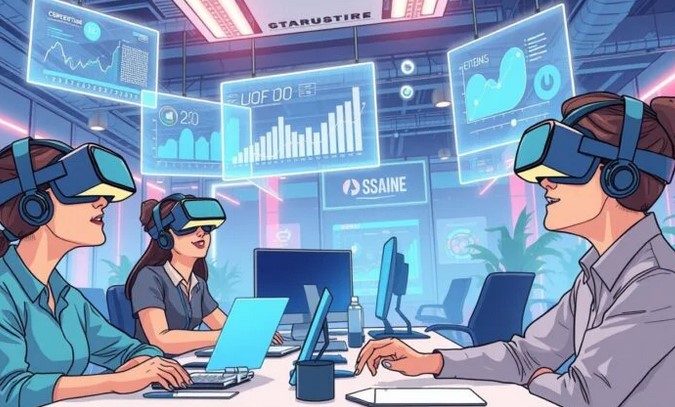
In recent years, the world of design has witnessed a revolutionary shift with the rise of virtual reality (VR) technologies. VR design collaboration is becoming a game-changer for teams working remotely, enabling them to interact, brainstorm, and create together in a shared virtual space, regardless of physical location. This innovation has the potential to redefine how design teams communicate, solve problems, and execute creative projects. By bringing together immersive technology and collaborative tools, VR is breaking down geographical barriers and fostering a new level of creativity, allowing teams to work on projects in ways that were previously unimaginable. In this article, we’ll explore how VR design collaboration is transforming remote teamwork and enhancing the design process across industries.

The Power of VR Design Collaboration

Traditionally, design teams have worked in close-knit environments, gathering around physical workstations to collaborate on projects. This proximity often facilitated brainstorming, feedback sessions, and real-time idea-sharing. However, with the rise of remote work, especially during the COVID-19 pandemic, the dynamics of teamwork have shifted. Virtual design collaboration tools like video calls, shared documents, and cloud-based platforms have helped mitigate some of the challenges of remote work, but these tools are limited in their ability to replicate the physical experience of collaboration.

VR design collaboration, however, provides a breakthrough solution. It allows team members to come together in a fully immersive digital space, where they can interact with 3D models, view designs from different angles, and provide feedback in real-time—just as they would in a physical meeting. This immersive environment fosters more effective communication and creativity, as participants can engage with designs in a more intuitive and dynamic way.

Key Benefits of VR Design Collaboration

  1. Enhanced Communication and Feedback

One of the biggest challenges of remote collaboration is the inability to convey ideas clearly and effectively without face-to-face interaction. VR design collaboration eliminates this barrier by allowing team members to discuss designs in an environment where they can visually manipulate objects and provide instant feedback. For example, in architecture or product design, team members can walk around a 3D model of a building or prototype, offering suggestions and making adjustments on the spot. This interactive experience is far more engaging and effective than traditional 2D presentations or static images.

  1. Immersive Prototyping and Visualization

For designers, visualizing concepts is a crucial part of the creative process. With VR, teams can prototype their designs and view them in a fully immersive environment, making it easier to identify potential issues and refine ideas. For example, a car manufacturer can create a VR model of a vehicle and have the design team virtually step inside to test ergonomics, materials, and user interface functionality. This level of immersion allows designers to make more informed decisions early in the development cycle, saving both time and money.

  1. Global Collaboration in Real-Time

Traditionally, remote design collaboration involved time zone coordination and the exchange of files or recorded presentations. This process could often lead to delays and misunderstandings. VR design collaboration removes these time constraints, allowing team members from different parts of the world to collaborate in real-time. Through shared VR spaces, a designer in New York, an architect in Tokyo, and an engineer in Berlin can work together seamlessly, discussing concepts, reviewing models, and brainstorming solutions in an immersive environment. The ability to work in real-time without the need for physical travel has the potential to significantly accelerate project timelines.

  1. Creative Freedom and Innovation

The immersive nature of VR fosters a new level of creativity. Team members can manipulate and experiment with designs in ways that are not possible with traditional design tools. Designers can instantly resize, reconfigure, and iterate on designs within a 3D space, trying out new ideas without the limitations of 2D or static formats. The freedom to explore designs from multiple perspectives, and in some cases even in interactive simulations, encourages more innovative thinking and creative problem-solving.

Use Cases of VR Design Collaboration Across Industries

The impact of VR design collaboration spans multiple industries, from architecture and automotive design to entertainment and fashion. Let’s explore some real-world use cases where VR is revolutionizing design collaboration.

1. Architecture and Urban Planning

In architecture, VR design collaboration has allowed architects and urban planners to build detailed 3D models of buildings, cities, and public spaces. Instead of relying solely on 2D blueprints, architects can walk through virtual representations of their designs, experiencing the space as it would exist in the real world. This allows them to identify design flaws and make necessary adjustments early in the process.

For example, firms like Gensler and Foster + Partners have adopted VR to present architectural designs to clients in immersive 3D environments. Clients can navigate virtual versions of their future buildings and provide real-time feedback on aspects such as layout, lighting, and aesthetics. This technology also allows designers to collaborate remotely with engineers and construction teams in the early stages of a project, ensuring smoother implementation.

2. Automotive and Product Design

In the automotive industry, companies like BMW and Audi use VR for collaborative design, allowing teams to design and test vehicles before any physical prototypes are made. Engineers, designers, and manufacturers can come together in a virtual space to examine vehicle components, simulate user experiences, and make real-time adjustments. With VR, teams can review the vehicle’s ergonomics, visibility, and performance in an immersive environment, making design iterations faster and more accurate.

Similarly, product designers in industries ranging from electronics to fashion use VR for collaborative brainstorming and prototyping. Instead of relying on physical prototypes, designers can quickly iterate on different product designs and test them with stakeholders remotely. VR technology significantly reduces costs, speeds up the design cycle, and eliminates the need for multiple physical prototypes.

3. Film and Animation Production

In the entertainment industry, VR is used in pre-visualization (previs) for film and animation. Directors, cinematographers, and production designers can work together in a virtual environment to plan scenes, camera angles, and lighting setups before shooting begins. This collaborative approach allows for faster decision-making and more accurate planning, ultimately saving time during production.

Films like “The Lion King” (2019) and “Avatar” (2009) have employed VR technologies in their production pipelines, enabling teams to create more detailed and immersive scenes. VR allows creatives to work together in a 3D environment, fostering better communication and a more refined artistic vision.

The Future of VR Design Collaboration

The future of VR design collaboration is incredibly promising. As VR technology continues to improve, we can expect even more advanced features such as haptic feedback, better motion tracking, and increased resolution, which will further enhance the immersive experience. With the integration of AI and machine learning, VR design tools will become even more intuitive, automatically suggesting design improvements and analyzing user behavior to optimize workflows.

Furthermore, as 5G networks roll out globally, VR collaboration will become more seamless and accessible, with faster download speeds and lower latency allowing for more fluid, real-time interaction between remote team members.

In conclusion, VR design collaboration is set to redefine how design teams collaborate, innovate, and create—especially in the era of remote work. By offering immersive environments for communication, prototyping, and visualization, VR enables teams to collaborate in ways that were previously impossible, regardless of their physical locations. As industries ranging from architecture and automotive design to entertainment and fashion continue to adopt VR, the potential for enhanced creativity, faster iteration, and better decision-making is immense. As VR technology evolves, the future of collaborative design holds exciting possibilities, pushing the boundaries of creativity and transforming how we approach teamwork in the digital age.

Virtual Reality

VR Ecommerce: Shopping in Immersive Virtual Worlds

Source:https://metapress.com

In recent years, technology has drastically reshaped the way we shop, and with the emergence of VR ecommerce, the shopping experience is evolving into something far beyond traditional online retail. Virtual reality (VR) has gained significant traction in various sectors, and now it’s poised to revolutionize the ecommerce landscape by offering an immersive, interactive experience. Imagine stepping into a virtual store, browsing through products, and making purchases without ever leaving the comfort of your home. This is the promise of VR ecommerce, and it’s quickly becoming an exciting frontier in online retail.

In this article, we’ll explore how VR is transforming the ecommerce industry, the benefits of shopping in virtual environments, and what the future holds for this emerging technology.

1. How VR Ecommerce Works: A New Era of Digital Shopping

At its core, VR ecommerce integrates virtual reality technology with the online shopping experience, creating immersive environments where customers can interact with products and make purchasing decisions in a much more engaging and realistic way. Traditional online shopping typically involves browsing through images and product descriptions on a screen, often without the tactile experience of physically seeing or touching the product. VR aims to eliminate these limitations by placing users in lifelike virtual environments where they can experience products from every angle.

Virtual Stores and Showrooms

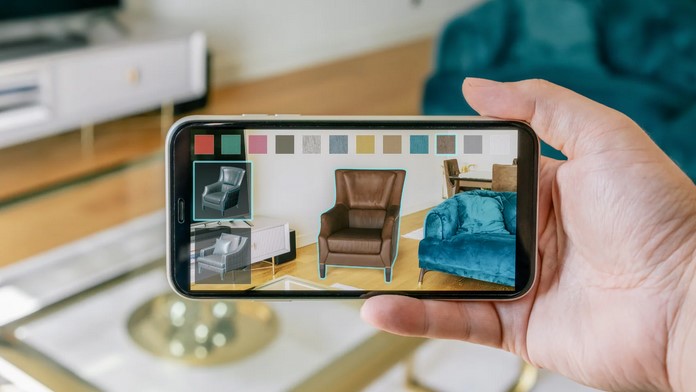
One of the most exciting aspects of VR ecommerce is the ability to create virtual stores or showrooms. These virtual spaces are designed to replicate real-world stores, offering a 3D environment where users can walk through aisles, interact with items, and view them in high detail. For example, if you’re shopping for furniture, VR can allow you to visualize how a couch will look in your living room, or how a new pair of shoes might look on your feet—virtually, of course.

These virtual environments can be tailored to individual brands or products, giving retailers a unique way to showcase their merchandise. Some companies are already developing highly interactive 3D catalogs that allow users to virtually pick up and examine items in a way that traditional ecommerce simply cannot offer.

Product Customization and Fitting

Another benefit of VR ecommerce is the ability to offer personalized experiences. Customers can engage with products in real-time, customizing items to their liking before making a purchase. For instance, a user shopping for clothing can try on virtual garments using an avatar, tweaking colors and sizes to see what fits them best. Similarly, in the automotive industry, VR can provide a virtual test drive, enabling customers to experience the performance of a car without ever stepping into a dealership.

By incorporating augmented reality (AR) features into these environments, users can even superimpose products into their real-world spaces. This allows for highly tailored shopping experiences that were once unimaginable in traditional online retail.

2. The Benefits of VR Ecommerce for Consumers and Retailers

As the ecommerce landscape continues to evolve, VR ecommerce offers several key advantages that benefit both consumers and retailers.

Immersive and Interactive Shopping Experience

The most obvious benefit of VR ecommerce is the immersive experience it offers. Instead of browsing flat images or text on a webpage, consumers can step into virtual stores and engage with products in a more interactive manner. Whether it’s through trying on clothes, customizing products, or interacting with 3D models, VR elevates the shopping experience by making it more tangible and realistic. This is especially appealing to consumers who crave the in-person shopping experience but want the convenience of online retail.

Increased Engagement and Brand Loyalty

For retailers, VR ecommerce provides an opportunity to create highly engaging and memorable shopping experiences that could lead to increased customer retention and brand loyalty. Virtual stores offer a novel experience that attracts attention and builds a deeper connection with customers. By allowing users to interact with their brand in innovative ways, retailers can differentiate themselves in an increasingly competitive market.

Additionally, VR can be a tool for storytelling. Brands can immerse customers in a narrative that goes beyond the product itself, offering experiences that evoke emotions, build excitement, and foster a sense of community.

Cost Savings and Operational Efficiency

While developing and maintaining a VR ecommerce platform may seem costly at first, it can lead to long-term savings. Virtual showrooms and stores eliminate the need for expensive physical retail spaces, allowing businesses to scale operations without investing in brick-and-mortar infrastructure. VR platforms also reduce the need for traditional product demonstrations or in-store staff, as customers can interact with virtual representatives and detailed product information at their convenience.

Enhanced Customer Confidence and Reduced Returns

One common issue with online shopping is the uncertainty around product quality, fit, and appearance. With VR ecommerce, customers can visualize products in a much more detailed and realistic way, which can significantly increase their confidence in making purchases. Whether they are viewing clothing on an avatar or trying out a piece of technology in a virtual space, this enhanced visualization can reduce the likelihood of returns, ultimately benefiting both consumers and retailers.

3. The Future of VR Ecommerce: What’s Next?

While VR ecommerce is still in its early stages, the potential for this technology to reshape the retail landscape is vast. As VR technology continues to evolve and become more accessible, the future of online shopping could look very different from what we know today.

Integration with AI and Machine Learning

One possible future development for VR ecommerce is the integration of artificial intelligence (AI) and machine learning to further personalize the shopping experience. By analyzing customer behavior and preferences, AI can suggest products, create customized shopping experiences, and even guide users through their virtual shopping journey. For example, an AI-driven virtual assistant could help users navigate through a virtual store, offer personalized recommendations, and provide additional information about the products they are viewing.

Cross-Platform Shopping and Social Integration

In the coming years, we may also see VR ecommerce integrate with other social platforms, allowing users to share virtual shopping experiences with friends and family in real time. Imagine walking through a virtual store with a friend who is miles away, trying out products and making decisions together. Social commerce, powered by VR, could change how we shop by blending social interaction and shopping into a seamless experience.

Additionally, the ability to shop across various platforms and devices (from VR headsets to smartphones) will provide even more flexibility, allowing consumers to interact with brands and make purchases in the way that suits them best.

Broad Industry Applications

The influence of VR ecommerce will extend far beyond retail. Industries such as real estate, travel, education, and healthcare are already exploring how VR can enhance their services. For instance, real estate companies are using virtual tours to allow potential buyers to explore homes, while travel agencies are offering virtual destination tours to inspire vacation bookings. As VR technology becomes more widespread, the possibilities for how it can enhance customer experiences in various sectors are limitless.

The rise of VR ecommerce marks the beginning of a new era in online shopping. As consumers increasingly seek more immersive, engaging, and personalized experiences, virtual reality offers a unique solution that traditional ecommerce simply cannot match. By creating interactive virtual stores, offering product customization, and reducing uncertainty in purchasing decisions, VR ecommerce is poised to transform the retail industry. As this technology continues to evolve, it will undoubtedly play a major role in shaping the future of how we shop, bridging the gap between physical and digital experiences in a way never before possible.

Virtual Reality

VR Chat Platforms Changing Online Social Interaction

Source:https://cdn.analyticsvidhya.com

In recent years, VR chat platforms have revolutionized the way we interact online, transforming social engagement from simple text or video chat into immersive, lifelike experiences. These platforms allow users to engage with one another in virtual worlds using avatars, creating a much more personal and interactive experience. With virtual reality (VR) technology advancing at an exponential rate, VR chat platforms have quickly become a central hub for entertainment, collaboration, and socialization, providing an entirely new dimension to online communication. Whether it’s for business meetings, gaming, or just casual hangouts, the immersive world of VR is paving the way for the future of social interactions.

In this article, we will explore how VR chat platforms are changing the way we communicate online, the opportunities they present, and the challenges that come with this evolving form of digital interaction.

1. The Rise of Immersive Socializing

Traditional social media platforms have long dominated the online space, with interactions based primarily on text, photos, and videos. However, these platforms often lack a personal, real-time experience. VR chat platforms address this gap by offering a fully immersive environment where users can communicate and interact in ways that feel more natural and engaging.

Avatar-Driven Communication

One of the most defining features of VR chat platforms is the ability for users to create and control avatars that represent them in the virtual world. Unlike video calls, where users are limited by static images or screens, avatars give users the freedom to express themselves in unique ways. These avatars can be customized to reflect a user’s personality, interests, and even fantastical elements that don’t exist in the real world.

This avatar-based interaction enhances communication by providing more visual cues and emotional depth. For example, body language, facial expressions, and even gestures become part of the interaction, making it easier to pick up on social signals, much like face-to-face communication. This creates a more intimate, human experience that is lacking in traditional chat rooms or social media posts.

Creating Virtual Spaces for Socializing

On VR chat platforms, users don’t just engage with others in a virtual version of a traditional room or chat window. Instead, they can explore vast, imaginative virtual worlds—whether it’s a cozy living room, a futuristic city, or a tropical beach. These environments are designed to foster connection and shared experiences, allowing users to meet people from all over the world and interact in dynamic, creative settings.

This is especially appealing for those looking to escape the monotony of traditional social media. The virtual environments in VR chat platforms offer users a more engaging way to meet and hang out, providing an experience that feels more “real” than scrolling through feeds or sending messages. Whether it’s watching a concert, attending a virtual event, or exploring art galleries, these platforms offer endless possibilities for social engagement.

2. The Growing Popularity of VR Chat Platforms in Gaming and Events

As VR chat platforms continue to evolve, their use in various industries—especially gaming and virtual events—has skyrocketed. Virtual reality enables a level of immersion that traditional platforms can’t replicate, and many industries are capitalizing on this unique experience to drive engagement and create memorable experiences for their audiences.

Gaming Communities and Social Play

The gaming community has been one of the first to fully embrace VR chat platforms. Many VR games feature social elements, where players can chat, collaborate, or compete with each other in real-time virtual worlds. In some cases, these games even host social gatherings, such as in-game parties or celebrations, further blurring the line between gaming and social interaction.

For example, platforms like VRChat allow users to meet up and play games with friends or strangers in virtual worlds. These games not only foster community building but also provide a more personal level of interaction, allowing players to engage in shared experiences beyond typical multiplayer games. Players can interact in ways that are far more intimate and immersive, creating strong bonds that may not be possible with text-based communication or traditional video games.

Virtual Events and Concerts

Another area where VR chat platforms are changing online social interaction is in the realm of virtual events. Concerts, conferences, and even movie screenings are increasingly being held in virtual environments. For instance, popular music artists have hosted virtual concerts in VR spaces, allowing fans to attend from anywhere in the world.

These virtual events provide a level of interactivity and immersion that is impossible in a typical live-streamed event. Attendees can engage with one another, explore virtual surroundings, and even interact with the performers in a more dynamic way. The accessibility of these events, combined with the immersive nature of VR, has led to a significant rise in their popularity.

Professional Collaboration in Virtual Workspaces

In addition to entertainment and social interactions, VR chat platforms have also made their mark in professional environments. Remote work and virtual collaboration tools are gaining traction, and VR platforms provide an innovative way for teams to communicate and collaborate in real-time, regardless of their physical location.

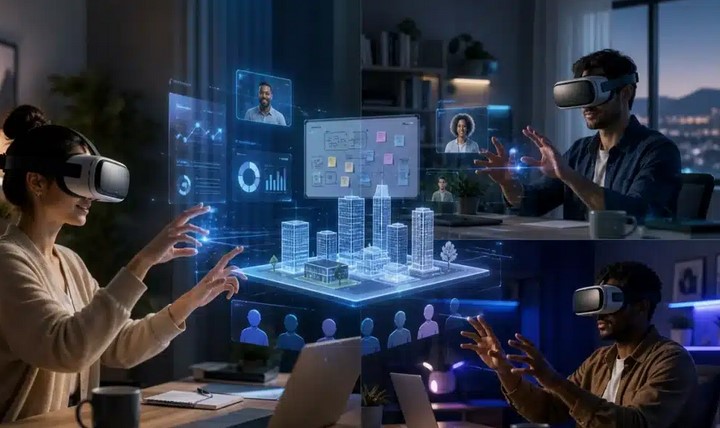
For businesses, VR can simulate office environments or even creative spaces where team members can brainstorm, share ideas, and present concepts in ways that mimic in-person collaboration. Meetings can be conducted in virtual meeting rooms, where attendees can present visual content and participate in discussions, all while experiencing a higher level of presence than through video calls or conference calls.

3. Challenges and Future Directions of VR Chat Platforms

While VR chat platforms offer remarkable potential for reshaping online interaction, they are not without their challenges. As the technology develops, the limitations and obstacles to widespread adoption must be addressed.

Hardware and Accessibility

One of the primary challenges is the hardware required to access VR platforms. High-quality VR headsets and motion tracking equipment are essential for an optimal experience, which can be cost-prohibitive for some users. While there are more affordable options emerging, the hardware barrier remains a challenge to reaching mass adoption, especially in underserved regions.

Moreover, VR platforms require a high-speed internet connection to ensure smooth performance, which could limit access for people in areas with inadequate infrastructure. Making VR more accessible to a wider audience will require continued advancements in technology and infrastructure to ensure that everyone can participate.

Social Etiquette and Safety

Another challenge is ensuring the safety and well-being of users within virtual spaces. As VR chat platforms become more popular, they also become a potential space for harassment or inappropriate behavior. Developers must continue to refine moderation tools and policies to ensure that users can enjoy a safe, enjoyable experience.

Additionally, there is the issue of social etiquette within virtual environments. With more complex, real-time interactions taking place, users will need to develop new norms for socializing in these spaces, balancing personal freedom with respect for others in shared virtual environments.

The advent of VR chat platforms is changing the way we experience online interaction, offering new levels of immersion, interactivity, and creativity. As these platforms continue to evolve, they are transforming not only how we socialize but also how we work, play, and engage with the world around us.

While challenges like accessibility and safety remain, the potential for VR chat platforms to redefine online communication is immense. As the technology matures and becomes more accessible, we are likely to see a surge in virtual spaces that seamlessly blend entertainment, work, and social engagement. The future of social interaction lies in virtual worlds, and VR chat platforms are at the forefront of this exciting transformation.