IoT

Smart Vending Machines: Automated Retail of the Future

Source:https://trocglobal.com

In an era defined by automation, connectivity, and data-driven decision-making, smart vending machines are emerging as a powerful evolution of traditional retail models. No longer limited to dispensing snacks and beverages, these intelligent systems combine hardware, software, and real-time analytics to deliver personalized, efficient, and contactless purchasing experiences. As consumer expectations shift toward speed and convenience, smart vending machines are redefining how products are sold in public and private spaces, from offices and hospitals to airports and smart cities.

The transformation of vending technology reflects broader changes in retail itself. Physical stores are becoming more digital, while digital platforms seek physical touchpoints. Smart vending machines sit at the intersection of these trends, offering retailers a scalable, low-overhead way to reach customers wherever they are. Their ability to operate autonomously while collecting valuable insights makes them a compelling solution for the future of automated retail.

How Smart Vending Machines Work and What Makes Them Different

At their core, smart vending machines are connected retail units equipped with sensors, payment systems, and cloud-based software. Unlike traditional vending machines that rely on basic mechanical operations, smart machines use advanced technology to manage inventory, monitor performance, and enhance user interaction.

Core Technologies Behind Smart Vending Systems

Several technologies work together to enable smart vending functionality. Internet of Things (IoT) connectivity allows machines to communicate with centralized platforms in real time. Sensors track product levels, temperature, and machine health, enabling predictive maintenance and automated restocking alerts. This reduces downtime and ensures products are always available and fresh.

Cashless and contactless payment systems are another defining feature. Smart vending machines support mobile wallets, QR codes, credit and debit cards, and even biometric authentication in some cases. This flexibility improves accessibility and aligns with modern consumer preferences for frictionless transactions.

Artificial intelligence and data analytics further differentiate smart vending from its predecessors. AI algorithms analyze purchasing patterns, time-of-day trends, and customer preferences to optimize product assortments and pricing. Some machines even use computer vision to allow “grab-and-go” experiences, where customers simply take items and are charged automatically without selecting products on a screen.

User interfaces have also evolved. Touchscreens, voice assistance, and multilingual support make interactions more intuitive and engaging. These interfaces can display nutritional information, promotions, or personalized recommendations, transforming vending from a passive transaction into an interactive retail experience.

Use Cases and Benefits Across Different Environments

The versatility of smart vending machines allows them to thrive in a wide range of environments. Their ability to operate 24/7 with minimal human intervention makes them particularly attractive in locations where traditional retail is impractical or costly.

In corporate offices, smart vending machines provide employees with convenient access to snacks, meals, and essential supplies without requiring on-site staff. Companies can curate offerings based on employee preferences, promoting healthier choices or subsidized items as part of wellness programs.

In healthcare settings, smart vending machines can dispense medical supplies, personal protective equipment, or patient essentials. Access controls and usage tracking ensure that authorized personnel receive the right items while maintaining compliance and accountability. This reduces administrative overhead and improves operational efficiency.

Educational institutions use smart vending machines to serve students and staff with food, beverages, and stationery. The machines can adapt inventory based on academic schedules and seasonal demand, ensuring relevance and minimizing waste. Integration with student ID systems also enables controlled access and cashless payments.

Public spaces such as airports, train stations, and shopping centers benefit from the scalability of smart vending. Retailers can deploy machines quickly without the need for full storefronts, reducing rental and staffing costs. For travelers, these machines provide fast, reliable access to essentials at any time of day.

Challenges, Sustainability, and the Road Ahead

Despite their advantages, smart vending machines face challenges that must be addressed for widespread adoption. Initial setup costs can be higher than traditional machines due to advanced hardware and software requirements. However, these costs are often offset over time by reduced labor expenses, optimized inventory management, and increased sales through personalization.

Data security and privacy are also important considerations. As smart vending machines collect and process user data, operators must implement robust cybersecurity measures and comply with data protection regulations. Transparent data practices help build consumer trust and ensure ethical use of technology.

Sustainability is becoming an increasingly important factor in automated retail. Smart vending machines can contribute positively by reducing food waste through demand forecasting and dynamic inventory management. Energy-efficient components, smart cooling systems, and recyclable packaging further support environmental goals. Some operators are even integrating locally sourced products, aligning vending with broader sustainability initiatives.

Looking ahead, the future of smart vending is closely tied to smart cities and connected infrastructure. Integration with urban data platforms could allow machines to adapt to local events, weather conditions, or traffic patterns. Advances in artificial intelligence may enable deeper personalization, while robotics could expand vending capabilities to include fresh food preparation or customized products.

As consumer behavior continues to evolve, the role of automated retail will only grow. Smart vending machines represent a shift from static product dispensing to intelligent, adaptive retail experiences that meet people where they are.

As technology reshapes how goods are distributed and consumed, smart vending machines stand out as a practical and innovative model for the future of retail. By combining automation, connectivity, and data intelligence, they deliver convenience for consumers and efficiency for operators. While challenges around cost, security, and sustainability remain, ongoing innovation is steadily addressing these concerns. In the years ahead, smart vending machines are likely to become an integral part of everyday environments, redefining automated retail as a dynamic, customer-centric experience rather than a simple transaction.

Emerging Tech

Future Quantum Processors: Speeding Up Tomorrow’s Computing

Source:https://bernardmarr.com

The rapid evolution of computing technology is approaching a turning point, and future quantum processors are at the center of this transformation. Unlike classical processors that rely on binary logic, quantum processors operate on entirely new principles that promise unprecedented computational speed and problem-solving capabilities. As industries reach the limits of traditional hardware performance, quantum processing is emerging as a powerful solution to challenges that were once considered impossible to solve within realistic timeframes. This article explores how quantum processors are shaping the future of computing, the technologies behind them, and the impact they may have across industries.

Quantum computing is no longer a purely theoretical concept confined to research labs. Major technology companies, startups, and academic institutions are making measurable progress in building practical quantum systems. While widespread consumer use is still years away, the foundation being laid today is expected to redefine how data is processed, analyzed, and secured in the decades to come.

Understanding the Foundations of Quantum Processing

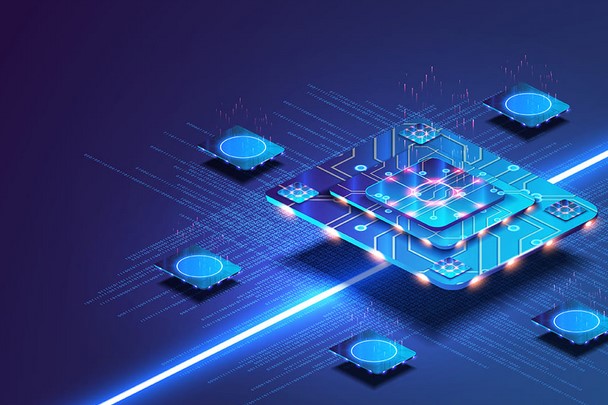
To appreciate the significance of quantum processors, it is essential to understand how they differ from classical computing systems. Traditional processors use bits that represent either a 0 or a 1. Quantum processors, by contrast, use quantum bits, or qubits, which can exist in multiple states simultaneously through a phenomenon known as superposition.

Another fundamental principle is entanglement, where qubits become linked in such a way that the state of one instantly influences the state of another, regardless of distance. Together, superposition and entanglement allow quantum processors to perform many calculations at once, dramatically increasing processing potential for certain types of problems.

Why Quantum Speed Is Not Just About Faster Clocks

It is important to note that quantum processors do not simply run faster versions of existing programs. Instead, they approach computation in a fundamentally different way. Their advantage lies in solving specific classes of problems more efficiently than classical systems ever could. These include complex optimization tasks, large-scale simulations, and cryptographic computations.

For example, simulating molecular interactions for drug discovery is extremely resource-intensive for classical computers. Quantum processors can model these interactions more naturally, potentially reducing years of research to days or hours. This paradigm shift is what makes quantum speed so revolutionary—it is not incremental improvement, but exponential potential for select applications.

Technological Challenges and Breakthroughs Ahead

Despite their promise, quantum processors face significant technical challenges. Qubits are highly sensitive to environmental disturbances such as temperature fluctuations and electromagnetic interference. This sensitivity leads to errors, making stability and error correction among the biggest obstacles in quantum computing development.

One of the most critical areas of research is quantum error correction. Unlike classical error correction, which is relatively straightforward, quantum error correction requires complex redundancy schemes that preserve fragile quantum states. Researchers are actively developing new architectures and algorithms to improve reliability without sacrificing performance.

Another challenge lies in scalability. Building a quantum processor with a small number of qubits is achievable today, but scaling these systems to thousands or millions of qubits—necessary for practical, real-world applications—remains a significant engineering hurdle. Advances in materials science, cryogenic systems, and fabrication techniques are playing a vital role in overcoming these barriers.

At the same time, software development is progressing alongside hardware. New quantum programming languages, hybrid quantum-classical algorithms, and cloud-based quantum access platforms are enabling developers to experiment with quantum logic even before fully mature hardware becomes available.

The Impact of Quantum Processors on Future Industries

The influence of quantum processors is expected to extend across multiple sectors, fundamentally changing how industries operate and innovate. In finance, quantum algorithms could optimize portfolios, assess risk more accurately, and detect fraud with greater precision. These capabilities would allow institutions to make faster and more informed decisions in highly complex markets.

In healthcare and life sciences, quantum computing could accelerate personalized medicine by analyzing genetic data and simulating biological systems at a molecular level. This would enable researchers to design targeted treatments and predict patient outcomes with greater accuracy.

Logistics and supply chain management also stand to benefit. Quantum optimization algorithms could streamline transportation routes, warehouse operations, and inventory management, reducing costs and environmental impact. Similarly, in energy and climate science, quantum simulations could improve the design of new materials for batteries, solar cells, and carbon capture technologies.

Cybersecurity is another area where quantum processors will have profound implications. While quantum computing poses a potential threat to current encryption standards, it also enables the development of quantum-resistant cryptography and ultra-secure communication methods based on quantum key distribution.

As research and innovation continue to accelerate, future quantum processors are poised to redefine the boundaries of computation. Their ability to tackle problems beyond the reach of classical systems positions them as a cornerstone of tomorrow’s technological landscape. While challenges related to stability, scalability, and accessibility remain, the progress being made today signals a transformative shift in how humanity approaches complex problems. By investing in quantum technologies now, industries and societies are laying the groundwork for a new era of computing defined not just by speed, but by entirely new possibilities.

Virtual Reality

AR Shopping Experiences: Changing the Way We Buy

Source:https://cdn.shopify.com

In recent years, ar shopping experiences have emerged as one of the most transformative innovations in digital commerce, reshaping how consumers discover, evaluate, and purchase products. By blending the physical and digital worlds, augmented reality (AR) allows shoppers to visualize items in real-world environments before making a buying decision. This shift goes beyond novelty; it addresses long-standing challenges in online shopping such as uncertainty, lack of physical interaction, and hesitation about fit or appearance. As AR technology matures, it is redefining expectations for convenience, confidence, and engagement in the buying journey.

The growth of AR-powered shopping is driven by advances in mobile devices, faster networks, and improved computer vision. Retailers are no longer limited to static images and product descriptions. Instead, they can offer immersive, interactive experiences that bring products to life. From trying on clothes virtually to placing furniture in a living room through a smartphone camera, AR shopping is quickly becoming a core component of modern retail strategy rather than an experimental add-on.

How Augmented Reality Is Transforming Consumer Decision-Making

One of the most significant impacts of AR in retail is how it influences consumer decision-making. Traditional online shopping often requires buyers to imagine how a product will look or function in their own space. This mental leap introduces doubt and increases the likelihood of returns. AR reduces this uncertainty by offering realistic previews that align closely with real-world conditions.

When shoppers can see how a sofa fits in their living room or how a pair of glasses complements their face shape, confidence increases. This visual reassurance shortens the decision-making process and improves satisfaction with purchases. Studies across various retail sectors show that customers who interact with AR features are more likely to complete a purchase and less likely to return the product.

AR also enhances emotional engagement. Interactive product visualization creates a sense of ownership even before the transaction is complete. This psychological connection encourages stronger brand loyalty and makes the shopping experience more memorable. Instead of passively scrolling through product listings, consumers actively engage with items, exploring them from multiple angles and contexts.

From a business perspective, AR-driven insights provide valuable data. Retailers can analyze how customers interact with virtual products, which features attract the most attention, and where hesitation occurs. These insights help refine product design, marketing strategies, and inventory planning, creating a more responsive and customer-centric retail ecosystem.

Applications of AR Shopping Across Industries

Augmented reality shopping is not confined to a single sector. Its versatility has enabled adoption across industries, each leveraging the technology to address unique challenges and customer needs.

Retail, Fashion, and Home Design Use Cases

In fashion and apparel, AR allows customers to try on clothing, shoes, and accessories virtually. Virtual fitting rooms use body tracking and size estimation to simulate how garments will look and move. This is particularly valuable in online fashion retail, where sizing inconsistencies and style uncertainty often lead to high return rates.

The beauty industry has also embraced AR, enabling virtual makeup try-ons that show how different shades and products appear on an individual’s skin tone. These experiences help customers experiment freely without physical testers, enhancing hygiene and convenience while encouraging exploration of new products.

In home design and furniture retail, AR applications allow users to place virtual furniture, lighting, or décor items into their living spaces. This helps customers assess scale, color coordination, and spatial compatibility. As a result, buyers feel more confident in larger, higher-value purchases that traditionally required in-store visits.

Automotive and electronics retailers are also leveraging AR to showcase product features. Customers can explore the interior of a car, visualize how a television fits on a wall, or understand the dimensions of appliances within their kitchen layout. These experiences bridge the gap between online research and in-person inspection.

Challenges, Ethics, and the Future of AR Shopping

While the benefits of AR shopping are substantial, the technology also presents challenges that retailers and consumers must navigate. One key concern is accessibility. Not all consumers have access to devices capable of supporting advanced AR features, potentially creating a digital divide. Retailers must balance innovation with inclusivity by offering alternative ways to explore products.

Data privacy is another critical issue. AR applications often rely on cameras, facial recognition, and spatial mapping, raising concerns about how personal data is collected, stored, and used. Transparent data practices and robust security measures are essential to maintain consumer trust as AR adoption grows.

There are also technical limitations to consider. Accurate AR experiences depend on high-quality 3D models, precise tracking, and consistent lighting conditions. Poorly implemented AR can lead to unrealistic representations that undermine trust rather than build it. Continuous investment in technology and testing is necessary to ensure reliable and meaningful experiences.

Looking ahead, the future of AR shopping is closely tied to broader technological developments. As wearable devices, smart glasses, and mixed reality platforms become more mainstream, AR shopping will move beyond smartphones. Consumers may soon browse products overlaid seamlessly onto their physical environment, making shopping a continuous and context-aware experience.

Integration with artificial intelligence will further enhance personalization. AI-driven AR systems could adapt product recommendations in real time based on user behavior, preferences, and surroundings. This convergence of technologies will push retail toward hyper-personalized, immersive commerce that feels intuitive rather than intrusive.

As digital commerce continues to evolve, ar shopping experiences are redefining how consumers interact with products and brands. By reducing uncertainty, enhancing engagement, and blending physical and digital realities, AR is addressing long-standing pain points in the buying process. While challenges around accessibility, privacy, and technical execution remain, the overall trajectory is clear: AR is becoming a foundational element of modern retail. For businesses willing to invest thoughtfully and responsibly, AR shopping offers a powerful opportunity to build trust, differentiate their brand, and meet the rising expectations of today’s digitally savvy consumers.

Gadgets

Wireless Printers for Home and Office Use

Source:https://www.realsimple.com

In today’s increasingly connected world, wireless printers have become essential tools for both home and office environments. These devices offer the convenience of printing without being tethered to a single workspace, allowing multiple users to send print jobs from laptops, tablets, and smartphones with ease. Whether you’re managing school assignments, remote work tasks, or high-volume office printing, wireless printers provide flexibility, efficiency, and seamless integration with modern digital workflows. This article explores the key features, benefits, and best practices for choosing a wireless printer that meets your specific needs, helping you make a well-informed decision for your home or office setup.

As technology continues to evolve, so do the expectations for wireless printing solutions. Today’s market offers a wide range of options, from affordable all-in-one home models to robust, high-speed units designed for enterprise environments. In addition to performance and reliability, important considerations include connectivity options, security features, ease of use, and long-term operational costs. By understanding these factors, you can select a wireless printer that not only saves time and simplifies tasks but also enhances productivity and workflow across multiple devices and users.

Key Features to Consider When Choosing Wireless Printers

Selecting the right wireless printer involves more than just finding a model that connects to Wi-Fi. A thoughtful choice can significantly impact print quality, usability, and overall satisfaction. Below are important features and specifications to evaluate before investing in a wireless printer.

Print Quality and Speed

Print quality is often measured in dots per inch (DPI), which determines how sharp and detailed your printed documents and photos will appear. For general home use, such as printing text documents, a moderate DPI is typically sufficient. However, if you require high-resolution photos or graphic-intensive materials, look for wireless printers with higher DPI capabilities and advanced color management features.

Speed is another crucial factor, especially for office environments where large volumes of printing are common. Print speed is usually stated in pages per minute (PPM). Higher PPM values indicate faster output, which can boost productivity and reduce wait times during busy work periods.

Connectivity and Compatibility

One of the primary advantages of wireless printers is their ability to connect to multiple devices without direct physical connections. Most modern models support Wi-Fi connectivity, allowing devices on the same network to send print jobs easily. Some printers also offer Bluetooth and mobile printing technologies such as Apple AirPrint, Google Cloud Print, and Wi-Fi Direct, enabling direct printing from smartphones and tablets.

Compatibility with different operating systems is equally important. Ensure that the wireless printer you choose supports the devices you use regularly, whether they run Windows, macOS, iOS, Android, or Linux. This will prevent connectivity issues and ensure a smoother printing experience across all platforms.

All-in-One Functionality

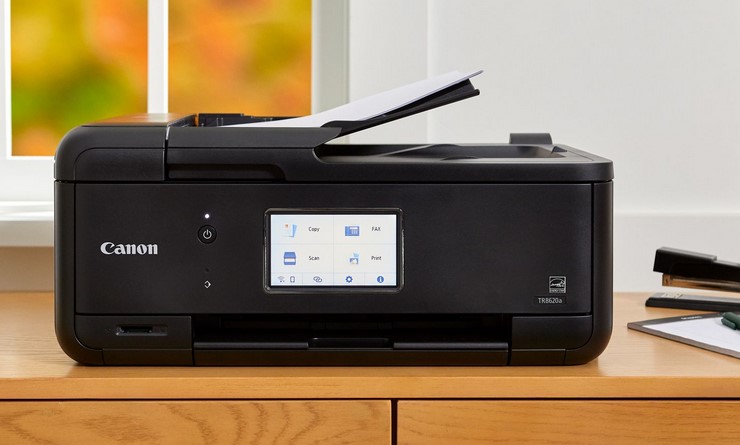
For both home and office settings, all-in-one wireless printers — which combine printing, scanning, copying, and sometimes faxing — offer versatility and cost savings. These multifunction devices reduce clutter and save space while consolidating essential tasks in one unit. They are particularly useful in small offices and home workspaces where separate devices for each task may not be practical.

Advanced all-in-one models also come with document feeders, automatic duplex printing (double-sided printing), and touchscreen interfaces, enhancing user convenience and automation.

Security and Network Protection

With printers connected to your wireless network, security becomes a key consideration. Look for models that support secure authentication protocols for Wi-Fi connections, such as WPA2 or WPA3, to prevent unauthorized access. Some enterprise-grade wireless printers also provide encryption for print jobs and user authentication systems that require a PIN or badge scan before printing, which is valuable in shared office environments.

Secure firmware updates and remote management features can also help maintain network integrity and protect sensitive documents from interception.

Practical Use Cases for Home and Office Settings

Wireless printers deliver distinct advantages depending on how and where they are used. Understanding common use cases can help you determine which features matter most for your situation.

Home Use: Convenience and Connectivity

At home, wireless printers are ideal for families, students, and remote workers who need flexibility and multi-device access. With support for printing from laptops, tablets, and phones, family members can send documents from anywhere in the house without physically connecting to the printer. Parents can print school forms, photos, and work-related materials, while children can easily print homework assignments or creative projects.

For home offices, an all-in-one wireless printer with scanning and copying functions can replace multiple devices, reducing clutter and streamlining tasks. Many models also offer user-friendly mobile apps that allow for remote printing, ink monitoring, and troubleshooting without needing to be near the device.

Office Use: Productivity and Collaboration

In office environments, wireless printers can improve workflow efficiency and collaboration among team members. Departments can share a centralized printer without the need for direct connections, making it easier to manage large volumes of print jobs and reduce hardware redundancy.

Enterprise-grade wireless printers often come with features tailored for business needs, such as heavy-duty paper handling, high-capacity trays, advanced security settings, and support for network printing protocols. These capabilities help ensure smooth operations even during peak usage periods. Additionally, cloud integration options allow teams to print documents directly from cloud storage services, boosting remote work productivity.

Maintenance and Cost Considerations

Owning a wireless printer brings ongoing responsibilities and costs. To ensure long-term performance and value, consider the total cost of ownership (TCO), which includes not just the purchase price but also the cost of ink or toner, maintenance, and potential repairs.

Inkjet vs. Laser: Inkjet printers are generally more affordable upfront and excel at printing high-quality photos and color documents. However, ink cartridges can be expensive and may need frequent replacement, especially with high usage. Laser printers, particularly monochrome models, have higher upfront costs but lower cost-per-page and are ideal for heavy text printing.

Routine maintenance — such as cleaning print heads, updating firmware, and replacing consumables — helps extend the life of your wireless printer. Some manufacturers offer subscription services for automatic ink or toner delivery, which can reduce downtime and simplify supply management.

As connectivity and digital workflows continue to evolve, wireless printers have become indispensable tools for both home and office environments. Their flexibility, ease of use, and advanced features make them valuable investments for anyone looking to streamline printing tasks, enhance productivity, and support multi-device workflows without the clutter of wired connections. When choosing a wireless printer, consider factors like print quality, speed, security, and long-term cost to find a model that best fits your unique needs and usage patterns. With the right choice, you can enjoy a seamless and efficient printing experience that complements your daily tasks and professional demands.

Laptops

Laptops with Best Keyboards for Typing Comfort

Source:https://i.rtings.com

When it comes to choosing a notebook for daily workflows, one of the most critical yet sometimes overlooked features is the keyboard quality. For writers, programmers, editors, and professionals who spend hours typing every day, selecting laptops with best keyboards can significantly impact productivity and comfort. A well-designed laptop keyboard not only supports faster and more accurate typing, but also reduces fatigue, enhances ergonomics, and improves overall user experience. In 2026, advancements in keyboard design, materials, and feedback mechanisms have elevated typing comfort to new heights.

In this article, we explore what makes certain laptop keyboards stand out, highlight the top contenders for the most comfortable typing experience, and provide actionable insights on choosing the right machine based on your unique needs. Whether you are drafting long-form documents, coding for hours, or simply prefer a satisfying typing feel, this guide will help you make a more informed purchase.

What Defines a Great Laptop Keyboard?

Before diving into specific models, it’s important to understand the key elements that contribute to an excellent laptop keyboard. Not all keyboards are created equal, and several technical and ergonomic aspects influence comfort, responsiveness, and efficiency.

Key Travel and Tactile Feedback

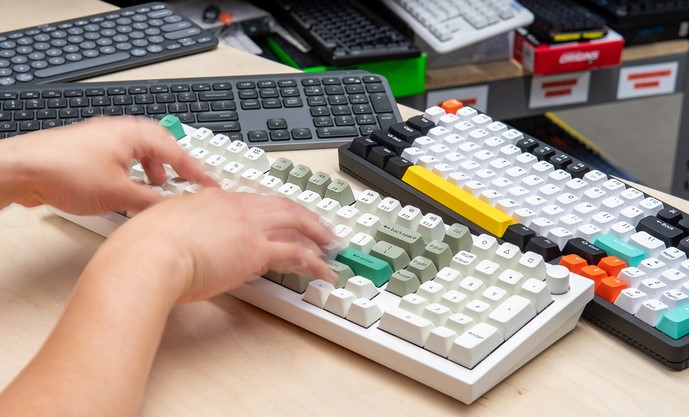
One of the most important aspects of a keyboard’s feel is key travel — the distance a key moves when pressed. Traditional desktop mechanical keyboards often have deeper travel, which many touch typists prefer for a satisfying, responsive feel. In contrast, ultra-thin laptops may offer shallower travel, leading to a different typing experience. The ideal balance is subjective, but most professionals prefer moderate travel (around 1.5mm to 2mm) combined with well-calibrated tactile feedback.

Tactile feedback refers to how a key responds as it’s pressed. A keyboard with good feedback gives a noticeable but not obstructive response, helping typists know exactly when a keypress has registered. This reduces the likelihood of typos and enhances typing speed over time.

Layout and Key Spacing

Equally important is the overall layout and spacing of keys. A comfortable keyboard should offer well-spaced keys that reduce the chances of accidental presses, especially for longer fingers. Larger laptops often have more room for properly spaced keys, while compact models sometimes require compromises. Additionally, the inclusion of full-sized arrow keys, a dedicated number pad, and intuitive function keys increases usability for many professionals.

Ergonomics and Wrist Support

Ergonomics also play a role, especially for those who type for extended sessions. A keyboard with a slight tilt, well-placed palm rest, and consistent key resistance helps maintain a neutral wrist position, reducing strain over time. Some manufacturers also introduce soft-touch coatings or layered keycaps designed to enhance grip and comfort.

Backlighting and Customization

Backlit keyboards have become a near-essential feature for many users. Adjustable lighting not only assists in low-light environments but also adds a level of personalization. Some advanced models offer per-key lighting customization, allowing users to create optimized layouts for typing, coding, or shortcuts.

Top Laptops for Typing Comfort in 2026

Now that we’ve covered the key characteristics of a good laptop keyboard, let’s explore some of the top laptops that deliver exceptional typing comfort. These models are selected based on keyboard quality, ergonomic design, user reviews, and overall performance.

Apple MacBook Pro (M-Series)

Apple’s MacBook Pro lineup continues to be a popular choice among professionals who prioritize typing comfort. The refined scissor-switch keyboard offers a balanced key travel and precise feedback that many writers and programmers appreciate. Its spacious layout and well-calibrated spacing reduce fatigue during long typing sessions. Users also value the muted sound of keypresses, making it ideal for quiet environments like offices or libraries.

Beyond the keyboard, the MacBook Pro excels in performance and build quality, thanks to Apple’s M-series chips, bright displays, and long battery life. While the price point remains premium, many users find the typing experience alone justifies the investment.

Dell XPS 15

Dell’s XPS series has long impressed with its sleek design and powerful performance. The XPS 15, in particular, balances a compact build with a comfortable keyboard suitable for heavy typists. The keycaps offer satisfying travel and bounce-back without feeling mushy. The inclusion of a larger chassis allows for ample key spacing, while the responsive backlighting adapts to ambient light conditions.

Professionals who need a Windows-based system with strong performance — especially for creative work or multitasking — will find the XPS 15’s keyboard and overall design compelling. The chassis also incorporates a spacious palm rest and robust hinge mechanism, ensuring stability during typing.

Lenovo ThinkPad X1 Carbon

Lenovo’s ThinkPad series is renowned for its legendary keyboards, and the X1 Carbon continues the tradition. Known for its tactile, almost mechanical-like feel, the ThinkPad keyboard is a favorite among writers, developers, and business users. With deep key travel and well-defined actuation, typing on a ThinkPad feels both intuitive and gratifying.

The X1 Carbon’s rugged build quality and professional-grade features further enhance its appeal. Its TrackPoint system in the middle of the keyboard provides an alternative pointing option preferred by many long-time ThinkPad enthusiasts. For those who work in corporate environments, the ThinkPad’s robust security and manageability features add additional value.

Microsoft Surface Laptop Series

Microsoft’s Surface Laptop lineup has earned praise for its sleek design and comfortable typing experience. These laptops offer an island-style keyboard with moderate key travel and good tactile response. While not as deep as some traditional mechanical-style keyboards, the Surface series strikes a balance that suits most typists.

The Surface Laptop’s touchscreen and high-resolution display complement daily workflows, making it a strong choice for students, professionals, and hybrid workers who value both aesthetics and functionality.

Selecting the right laptops with best keyboards involves understanding your personal typing preferences, ergonomic needs, and workflow demands. Whether you prioritize deep key travel, premium build quality, or a balanced tactile experience, several standout laptops in 2026 cater to those requirements. From Apple’s refined scissor mechanisms to Lenovo’s legendary ThinkPad feel, each model brings unique strengths to the table.

Ultimately, prioritizing keyboard comfort can significantly enhance your productivity, reduce strain, and make everyday computing more enjoyable — especially for professionals who spend countless hours at the keyboard. Consider factors such as key travel, layout, backlighting, and ergonomic design to find the best fit for your needs, and enjoy a typing experience tailored to your workflow.