Cloud Computing

Private Cloud Hosting: Why Enterprises Choose Control Over Scale

Source:https://dzrge5zzbsh6q.cloudfront.net

In the ever-evolving world of cloud computing, businesses are faced with a wide variety of hosting options. Among the most popular choices for enterprises seeking both security and customization is private cloud hosting. Unlike public cloud services that share resources among various organizations, private cloud hosting offers dedicated infrastructure that is entirely controlled by the organization. This allows enterprises to maintain a higher level of control over their data, security, and IT environments, making it an attractive solution for businesses that prioritize privacy, regulatory compliance, and tailored infrastructure. In this article, we will explore why many enterprises opt for private cloud hosting and the key benefits it brings to the table.

1. What is Private Cloud Hosting?

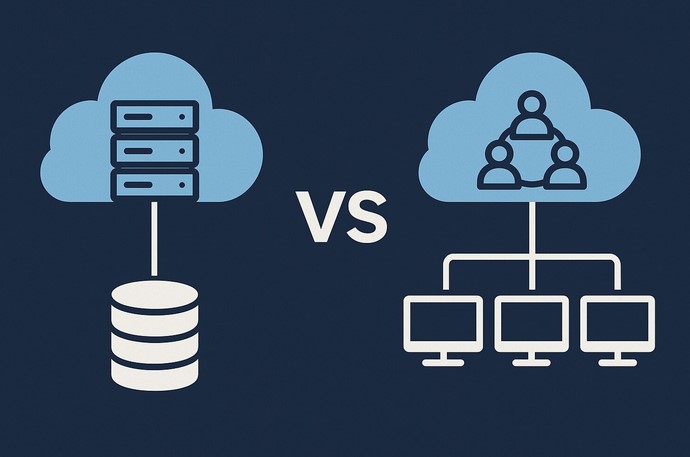
Private cloud hosting is a cloud environment that provides exclusive access to computing resources within a private infrastructure. This can either be hosted internally within a company’s own data center or externally by a third-party service provider. The key differentiator between private cloud and public cloud hosting lies in the exclusivity and control granted to the organization using the private cloud. With private cloud hosting, all resources—such as computing power, storage, and networking—are dedicated solely to one organization, which ensures that sensitive data and applications are isolated from other users.

How It Works

In a private cloud setup, the organization either leases the hardware from a third-party provider or hosts it internally, but the underlying infrastructure is not shared with any other entity. It functions much like a traditional data center but with the added benefits of cloud capabilities such as scalability, flexibility, and advanced automation.

The private cloud environment can be further divided into different types:

  • On-Premises Private Cloud: The cloud infrastructure is deployed within the organization’s physical data center.
  • Hosted Private Cloud: The infrastructure is hosted by a third-party provider but remains dedicated to a single organization.
  • Managed Private Cloud: A private cloud solution that is fully managed by a third-party provider, including monitoring, support, and maintenance.

2. Key Advantages of Private Cloud Hosting

Enterprises choose private cloud hosting for a variety of reasons, most notably for the level of control, security, and customization it offers. Below are some of the primary benefits that make private cloud hosting a top choice for organizations with critical data and specific compliance requirements.

Enhanced Security and Privacy

The most compelling reason why enterprises opt for private cloud hosting is the robust security features it offers. In contrast to public clouds, where resources are shared among various customers, private clouds provide an isolated environment where data and applications are shielded from unauthorized access. Organizations can implement their own stringent security policies, including custom encryption, access control, and authentication protocols, to further protect sensitive data.

Moreover, private cloud hosting ensures that organizations retain full control over their data, mitigating concerns about data breaches or exposure due to the multi-tenant nature of public cloud environments. For industries that deal with highly sensitive information, such as healthcare, finance, and government sectors, the ability to maintain full control over data security is a crucial factor in adopting private cloud solutions.

Customizability and Flexibility

Unlike public cloud environments, where enterprises must often adapt to predefined configurations, private cloud hosting allows businesses to fully customize their infrastructure according to their specific needs. Whether it’s selecting the right hardware, implementing specific software configurations, or designing unique network setups, private cloud hosting offers unmatched flexibility.

This level of customization is particularly valuable for enterprises with unique operational needs, as it allows them to optimize performance, allocate resources effectively, and scale operations according to internal business goals. This flexibility also enables enterprises to better align their IT environments with their long-term strategic objectives.

Compliance and Regulatory Requirements

For many organizations, compliance with industry-specific regulations is a non-negotiable aspect of their IT operations. Private cloud hosting provides businesses with the ability to meet complex regulatory and compliance requirements, such as the General Data Protection Regulation (GDPR), Health Insurance Portability and Accountability Act (HIPAA), and other industry-specific standards.

In public cloud environments, enterprises often struggle to demonstrate that they are in full compliance with data sovereignty laws or security regulations. Private cloud hosting allows businesses to implement bespoke solutions to meet specific compliance requirements, often by maintaining control over data location, access, and storage practices.

Performance Optimization

One of the main reasons enterprises opt for private cloud hosting is the ability to optimize performance. Because resources are not shared, organizations can allocate computing power and storage based on their specific needs. This allows for higher and more consistent performance, with fewer fluctuations or bottlenecks that might occur in shared public cloud environments.

With private cloud infrastructure, enterprises can also fine-tune their applications and workloads to ensure that mission-critical services and processes are executed at optimal speed. This level of control helps organizations maximize the value of their IT investments.

3. Why Control Over Scale Matters in 2026

As businesses continue to grow, the ability to scale their IT infrastructure rapidly becomes increasingly important. However, private cloud hosting offers a different approach to scaling compared to public clouds. While public clouds allow for rapid scaling based on demand, private clouds offer a more deliberate and controlled approach to scalability.

Scalability with Control

In private cloud environments, scalability is still possible, but it is typically done in a more controlled, predictable manner. Enterprises can expand their resources when necessary, but they have the ability to plan and manage the growth of their infrastructure more strategically. This controlled scaling allows businesses to avoid the over-provisioning common in public cloud environments, which can lead to unnecessary costs and inefficiencies.

This controlled approach also means that enterprises can manage scaling in a way that aligns with their specific business needs, ensuring that they only pay for the resources they actually require. Businesses can scale vertically (adding more resources to existing systems) or horizontally (adding more systems to the infrastructure), depending on their requirements.

Managing Costs and Resources

Although private cloud hosting can be more expensive upfront than public cloud services, it allows for better long-term cost management. By owning the infrastructure or leasing dedicated resources, businesses have more predictable costs compared to public clouds, which can have fluctuating pricing based on usage.

The ability to manage resources effectively and optimize them for specific workloads ensures that companies only invest in what is necessary. In contrast, public cloud pricing can often lead to unforeseen costs as enterprises scale their usage. The control offered by private cloud hosting enables businesses to maintain financial predictability while still scaling their infrastructure as needed.

As enterprises continue to face increasing demands for both performance and security, private cloud hosting stands out as an ideal solution. Its ability to offer superior control, enhanced security, regulatory compliance, and flexibility makes it an attractive choice for organizations with complex IT needs. In 2026, as businesses strive to maintain competitiveness while ensuring their data remains secure, private cloud hosting will continue to play a vital role in delivering reliable, scalable, and cost-effective IT infrastructure.

Ultimately, the decision to choose private cloud hosting is a strategic one, with many enterprises favoring control over the scale offered by public clouds. For businesses that prioritize security, customization, and long-term growth, private cloud hosting will remain a cornerstone of IT infrastructure well into the future.
Mobile Technology

Best Camera Smartphones for Stunning Mobile Photography

Source:https://www.digitaltrends.com

In recent years, smartphones have become the go-to device for capturing high-quality images. With advancements in camera technology, even the most basic smartphones can now take impressive photos. However, for those who are passionate about mobile photography, the best camera smartphones offer more than just basic functionality—they deliver professional-level results. Whether you’re a photography enthusiast, content creator, or someone who simply enjoys taking great photos, these devices offer cutting-edge camera features, exceptional image quality, and innovative technologies that allow you to capture stunning images. In this article, we will explore the top best camera smartphones in 2026, providing insights into their features and why they are perfect for anyone looking to take their mobile photography to the next level.

1. Top Camera Technologies to Look for in 2026

Before diving into specific models, it’s essential to understand the key camera technologies that set the best camera smartphones apart from their competitors. In 2026, camera systems are no longer just about megapixels. Manufacturers are integrating multiple advanced features that enhance the overall photo quality. Here’s a breakdown of some of the most significant innovations:

Multi-Lens Systems

Modern smartphones now feature multi-lens camera setups, often including wide-angle, ultra-wide, telephoto, and macro lenses. This gives users versatility, allowing them to capture a wide range of scenes and details. For example, a telephoto lens enables you to zoom in without losing image clarity, while an ultra-wide lens allows you to capture expansive landscapes or large groups in a single shot.

AI-Powered Photography

Artificial intelligence (AI) has become a crucial aspect of modern smartphone photography. Many of the best camera smartphones use AI to optimize image quality, adjust settings automatically, and even recognize specific scenes, ensuring the best possible photo every time. AI can also enhance features like portrait modes, bokeh effects, and low-light performance, making it ideal for users who want perfect images without manual adjustments.

Improved Low-Light Performance

Another significant advancement in smartphone cameras is low-light photography. In 2026, smartphones are equipped with larger sensors and more advanced software that allow you to take clear, vibrant photos even in dim lighting conditions. This is particularly useful for evening photography, concerts, or indoor shots where natural light is limited.

Pro-Level Manual Controls

For users who prefer full control over their photography, many high-end smartphones offer manual modes that allow you to adjust settings like ISO, shutter speed, and exposure. These features cater to both professional photographers and enthusiasts who want to get creative with their shots.

2. Top 5 Best Camera Smartphones in 2026

With so many options available, it can be overwhelming to choose the right camera smartphone. Below, we’ve curated a list of the best camera smartphones in 2026, considering factors like camera performance, features, and versatility.

Apple iPhone 16 Pro Max

The Apple iPhone 16 Pro Max is widely regarded as one of the best camera smartphones for photography in 2026. It features a triple-camera system with a 48MP main sensor, a 12MP ultra-wide lens, and a 12MP telephoto lens with 5x optical zoom. The iPhone 16 Pro Max also boasts advanced AI features for scene recognition, a ProRAW mode for professional editing, and incredible low-light performance thanks to its larger sensor and improved Night Mode.

In addition, the iPhone 16 Pro Max includes a 4K Dolby Vision HDR video recording capability, making it an excellent choice for both photographers and videographers. The new computational photography features, powered by Apple’s A16 Bionic chip, make it ideal for capturing stunning photos and videos in any setting.

Samsung Galaxy S26 Ultra

Samsung continues to dominate the mobile photography space with its Galaxy S26 Ultra, offering one of the most impressive camera setups in 2026. Equipped with a 200MP main camera, a 12MP ultra-wide lens, and dual telephoto lenses with 3x and 10x optical zoom, the Galaxy S26 Ultra delivers exceptional detail and clarity, even when zoomed in at long distances.

One of the standout features of the Galaxy S26 Ultra is its ability to capture professional-grade portrait shots with exceptional bokeh effects. Additionally, its AI-powered scene optimizer and enhanced night photography features make it an excellent choice for both day and night shooting.

Google Pixel 8 Pro

Google’s Pixel series has long been praised for its computational photography, and the Pixel 8 Pro takes things to the next level. With a 50MP main camera, a 12MP ultra-wide lens, and a 48MP telephoto lens, the Pixel 8 Pro excels at capturing realistic colors and incredible detail, even in challenging lighting conditions. Google’s software optimizations, such as its acclaimed Night Sight, Real Tone, and Magic Eraser features, continue to make the Pixel 8 Pro one of the best camera smartphones for users who prefer ease of use and excellent image quality.

The Pixel 8 Pro also features a 4K video recording system, a front-facing camera with wide-angle capabilities, and a new AI-driven portrait mode that improves depth effects. If you’re looking for a phone that combines software intelligence with hardware prowess, the Pixel 8 Pro is an excellent choice.

Xiaomi Mi 14 Ultra

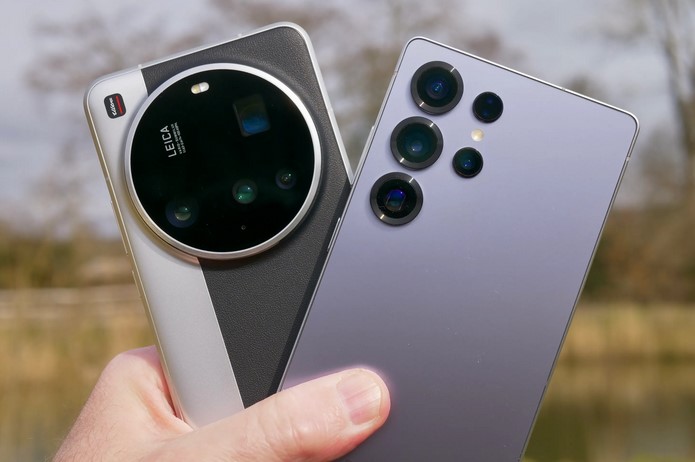
Xiaomi’s Mi 14 Ultra camera smartphone stands out with its advanced camera system, including a 108MP main camera, a 50MP ultra-wide lens, and a 50MP telephoto lens with 3x optical zoom. The camera setup is paired with Xiaomi’s proprietary AI technology, which analyzes scenes and adjusts settings for optimal results. The Mi 14 Ultra is particularly known for its high-resolution photography and its ability to retain sharpness and detail in both bright and low-light environments.

Additionally, Xiaomi’s innovative imaging software allows for a wide range of customization options, letting users get creative with manual settings. For those who want a highly capable, feature-rich smartphone camera, the Mi 14 Ultra is a worthy contender.

Sony Xperia 2 Pro

Sony’s Xperia 2 Pro is designed for those who want DSLR-like control over their photography, offering a hybrid of automatic and manual modes for both novice and professional photographers. With a 48MP main sensor, a 12MP ultra-wide lens, and a 12MP telephoto lens, the Xperia 2 Pro delivers impressive dynamic range and detail, especially in bright and high-contrast environments.

Sony’s real-time Eye Autofocus, professional-level manual controls, and support for RAW image capture make it one of the best camera smartphones for users who prefer hands-on control over their photography. If you are a creator or photographer seeking high-quality images and full creative control, the Xperia 2 Pro is a top choice.

3. Why Choose the Best Camera Smartphones in 2026?

The best camera smartphones in 2026 offer significant improvements over their predecessors, incorporating a blend of powerful hardware and AI-driven software to elevate your mobile photography experience. Whether you’re looking to capture stunning landscapes, detailed portraits, or low-light photos, these phones are designed to meet the needs of both casual photographers and professionals alike.

Not only do these smartphones feature cutting-edge camera technologies like multi-lens systems, AI enhancements, and improved low-light performance, but they also provide the convenience of always having a powerful camera in your pocket. With the ability to edit and share photos on the go, mobile photography has never been more accessible.

In conclusion, the best camera smartphones of 2026 offer a variety of features and specifications that cater to different photography needs. From the versatility of multi-lens systems to AI-driven enhancements and exceptional low-light performance, these smartphones are designed to provide users with stunning mobile photography capabilities. Whether you’re capturing everyday moments, shooting professional content, or exploring the world of mobile videography, choosing the right smartphone will make all the difference in your photography experience.

Laptops

Laptops with Intel Core Ultra: Performance Meets Efficiency

Source:https://cdn.arstechnica.net

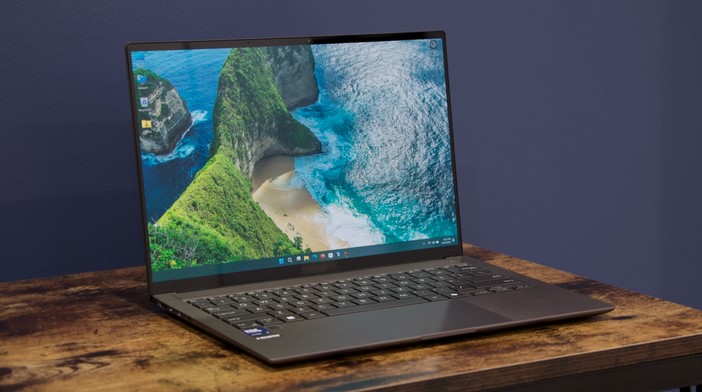
In an era where both performance and power efficiency are paramount, Intel has introduced a new era of computing with its Intel Core Ultra processors. These new chips promise to bring a revolution to laptops by offering unparalleled performance while consuming less power than ever before. Whether you’re a professional working with intensive software, a gamer seeking high frame rates, or a content creator juggling multiple applications, laptops with Intel Core Ultra processors are poised to meet your needs and exceed expectations. In this article, we explore the key features, benefits, and potential of laptops powered by Intel Core Ultra processors, highlighting why they are becoming the go-to choice for high-performance laptops in 2026.

The Rise of Intel Core Ultra Processors

Intel’s move towards Intel Core Ultra processors marks a significant leap forward in computing technology. With a focus on performance and efficiency, the Core Ultra lineup is designed to meet the needs of modern users who demand more from their devices. These processors combine high clock speeds, multi-core capabilities, and AI-enhanced features, offering a performance boost across a range of computing tasks.

Unlike earlier generations, the Core Ultra chips leverage Intel’s cutting-edge technologies like Intel’s 10nm process architecture, enhanced integrated graphics, and specialized AI accelerators to deliver a significant improvement in both computational power and energy efficiency. The result is a range of laptops that offer exceptional performance for a variety of use cases, from multitasking to gaming to content creation, without sacrificing battery life or portability.

Key Features of Laptops with Intel Core Ultra

Laptops powered by Intel Core Ultra processors come with several key features that make them stand out in a crowded market. Whether you’re working in a professional setting, enjoying entertainment, or pursuing creative projects, these laptops are equipped to deliver high-level performance without compromising on power efficiency.

1. Superior Performance and Speed

At the heart of the Intel Core Ultra processors is the focus on performance. These chips are built with multiple cores and threads, allowing for better multitasking and faster execution of resource-heavy applications. Whether you are editing high-resolution videos, running simulations, or playing graphics-intensive games, laptops with Intel Core Ultra processors can handle these tasks with ease. The processors feature advanced Turbo Boost technology that allows them to reach higher clock speeds when required, ensuring that performance doesn’t falter even during peak loads.

The improved performance is especially noticeable when using multi-threaded applications. For professionals who rely on software that requires heavy processing power, such as data scientists, architects, or engineers, the Core Ultra processors deliver the raw horsepower needed for smooth and efficient operation.

2. Energy Efficiency and Longer Battery Life

While performance is crucial, energy efficiency is just as important, particularly for users on the go. Intel Core Ultra processors bring a significant improvement in power management compared to previous generations. These chips are designed to balance high performance with low power consumption, which translates into longer battery life for laptops.

This is particularly beneficial for users who need to stay productive throughout the day without worrying about finding an outlet. Laptops with Intel Core Ultra processors can easily provide all-day battery life even with continuous use. Whether you’re working remotely or traveling, you can rely on these laptops to last longer and stay cool, thanks to the intelligent power management features built into the chip.

3. AI-Driven Features and Smart Performance

Intel Core Ultra processors bring the power of artificial intelligence (AI) to laptops. These chips are equipped with AI accelerators that can improve system performance by learning and adapting to the user’s workflow. By understanding how you use applications and workloads, AI can prioritize resources and optimize the performance of the laptop. This results in faster boot times, quicker app launches, and more efficient power usage.

For example, AI-driven features can dynamically adjust CPU power based on workload, enabling better multitasking and reducing heat generation during lighter tasks. AI can also enhance the laptop’s performance in real-time, making it ideal for creative professionals working with demanding applications like Adobe Creative Suite or 3D rendering software.

4. Enhanced Graphics Performance

Another major advantage of laptops with Intel Core Ultra processors is their enhanced integrated graphics. Intel has significantly improved the integrated GPU with these new processors, providing users with better visual experiences, whether for gaming, video editing, or casual entertainment. The Intel Iris Xe integrated graphics found in Core Ultra laptops offer smooth and crisp visuals, even for 4K streaming and light gaming, without needing a dedicated graphics card.

For gamers and content creators, this is a significant upgrade, as it ensures that your laptop can handle visually demanding tasks without the need for additional hardware. The result is a laptop that’s both powerful and lightweight, offering superior performance and portability.

5. Advanced Connectivity and Thunderbolt 4 Support

Intel Core Ultra laptops are also equipped with cutting-edge connectivity options, including Thunderbolt 4 support. Thunderbolt 4 offers fast data transfer speeds, enabling users to quickly move large files, connect external monitors, and utilize high-speed peripherals without experiencing lag or delay.

Additionally, these laptops are built with Wi-Fi 6E, providing better wireless connectivity, especially in high-density environments like offices, cafes, or public spaces. Wi-Fi 6E ensures faster internet speeds, less latency, and improved network reliability, making these laptops ideal for professionals and creators who require seamless connectivity for video conferencing, cloud computing, and online collaboration.

Why Choose Laptops with Intel Core Ultra?

As we move into 2026, the demand for laptops that can handle multitasking, high-performance workloads, and long battery life is only going to grow. Laptops with Intel Core Ultra processors represent the next generation of computing power, combining performance, efficiency, and smart features in a compact form.

For professionals, the Core Ultra laptops provide the computational power needed to run demanding software applications, whether you’re working with large datasets, creating high-quality videos, or rendering complex 3D models. For gamers and content creators, the enhanced graphics and AI-driven optimizations ensure a seamless and responsive experience across a variety of tasks.

For those who value efficiency, the energy-saving capabilities of Intel Core Ultra processors, coupled with their extended battery life, ensure that you can stay productive and entertained throughout the day, no matter where you are. Whether you’re working from home, on the road, or in the office, these laptops deliver the power and performance that today’s digital professionals need.

In conclusion, laptops with Intel Core Ultra processors are setting a new standard for computing performance, efficiency, and versatility. From professionals needing power for intensive workloads to everyday users seeking high performance and long battery life, these laptops cater to all types of users. With advancements in AI, graphics, and energy efficiency, the Intel Core Ultra-powered laptops provide the tools you need to work smarter, faster, and more effectively. As we continue to embrace the digital era in 2026, these laptops are at the forefront of innovation, offering a glimpse into the future of high-performance computing.