
Emerging Tech

Quantum Entanglement Uses Beyond Theoretical Physics

Source:https://www.sciencedaily.com

Quantum entanglement, a phenomenon that Albert Einstein once described as “spooky action at a distance,” has long been a topic of intrigue in theoretical physics. Traditionally, quantum entanglement has been explored in the context of understanding the fundamental laws of nature, including quantum mechanics and particle interactions. However, as technology advances, quantum entanglement uses are expanding beyond purely scientific exploration. In recent years, this once-mysterious concept is proving to have tangible applications in a wide variety of industries, from communications and computing to medicine and security. This article explores how quantum entanglement, once limited to theoretical studies, is becoming a powerful tool in shaping the future of technology.

Understanding Quantum Entanglement

At its core, quantum entanglement describes a phenomenon where two or more particles become intertwined in such a way that the state of one particle instantly affects the state of the other(s), regardless of the distance between them. This interconnection between particles, known as “entanglement,” challenges the classical ideas of locality and causality. The entangled particles remain in a state of correlation, even if they are separated by vast distances, a characteristic that makes quantum entanglement seem almost magical and counterintuitive.

For decades, quantum entanglement was primarily a theoretical construct. Scientists used it to explore the peculiarities of quantum mechanics and to challenge conventional physics. However, the field of quantum computing and communication has sparked a new wave of interest in this phenomenon. Today, researchers and engineers are working hard to find quantum entanglement uses that go beyond basic research, potentially revolutionizing industries that rely on high-speed processing, secure communications, and complex data analysis.

Quantum Entanglement in Modern Technology

While quantum entanglement was initially confined to laboratory experiments, today it is an integral part of several cutting-edge technologies that could redefine numerous industries. Below are some of the most promising quantum entanglement uses that are shaping our future.

1. Quantum Communication and Cryptography

One of the most well-known and anticipated applications of quantum entanglement is in the field of quantum communication, particularly quantum cryptography. Traditional encryption methods, such as RSA and AES, rely on computational complexity to keep data secure. However, these systems are vulnerable to future advances in classical and quantum computing, which could render them obsolete.

Quantum entanglement offers an entirely new approach to data security. In quantum key distribution (QKD), entangled particles are used to exchange cryptographic keys securely. The key advantage of quantum cryptography is that any attempt to intercept or eavesdrop on the entangled particles will disturb their state, immediately alerting the parties involved. This “unbreakable” encryption could revolutionize industries such as banking, defense, and healthcare, where data protection is critical.

China, for example, has already launched the world’s first quantum communication satellite, “Micius,” which uses quantum entanglement to send secure messages over long distances. This demonstrates the practical application of quantum entanglement in real-world communication networks and suggests that the future of secure, encrypted communication will heavily rely on quantum technologies.

2. Quantum Computing and Processing Power

Quantum computing represents another area where quantum entanglement uses are poised to make a significant impact. Unlike classical computers, which use bits to process data in binary (0 or 1) form, quantum computers use quantum bits, or qubits, which can exist in multiple states simultaneously, thanks to superposition and entanglement.

Entanglement plays a crucial role in quantum computing by enabling qubits to be correlated in ways that allow quantum computers to solve complex problems at speeds far beyond the capabilities of classical machines. For example, quantum computers could potentially revolutionize fields such as material science, cryptography, and drug discovery by solving problems that are currently intractable with classical methods.

Quantum computers leverage entanglement to perform calculations that involve vast amounts of interconnected data. These systems promise to tackle issues like protein folding, optimization problems, and artificial intelligence tasks that require enormous processing power. Companies like Google, IBM, and Microsoft are already exploring quantum processors that could harness the power of entanglement to tackle these complex problems.

3. Quantum Sensors and Metrology

Another fascinating quantum entanglement use lies in the field of quantum sensors. Quantum entanglement can enhance the precision of measurements in a variety of fields, including physics, astronomy, and engineering. Quantum sensors exploit the unique properties of entangled particles to detect minuscule changes in gravitational fields, magnetic fields, and even time.

For example, quantum-enhanced gravitational wave detectors use entangled photons to achieve unprecedented sensitivity. This technology could have applications in detecting seismic activity, monitoring structural integrity, and even mapping the Earth’s subsurface. In medical imaging, quantum entanglement may also enhance the resolution of imaging systems, potentially leading to better diagnostic tools for conditions such as cancer and neurological diseases.

In metrology, where highly accurate measurements are crucial, quantum sensors powered by entanglement could lead to new standards of precision in atomic clocks and navigation systems. These innovations could revolutionize GPS systems, enabling highly accurate location services even in environments where traditional GPS is unreliable, such as indoors or in densely built areas.

Quantum Entanglement’s Impact on Industries

The impact of quantum entanglement uses goes beyond theoretical physics into practical applications that will influence industries worldwide. Here are a few key areas that will benefit from this groundbreaking technology:

1. Healthcare and Medicine

Quantum technologies are already transforming healthcare, and quantum entanglement is likely to play a significant role in this revolution. Quantum sensors, for example, could allow for more precise imaging techniques, helping doctors detect diseases earlier and with greater accuracy. In addition, quantum computing could expedite the discovery of new drugs by simulating molecular structures far faster than classical computers.

Moreover, quantum cryptography could ensure the security of sensitive medical data, particularly in fields such as personalized medicine and telemedicine, where data protection is paramount.

2. Finance and Risk Management

The financial sector is another area that could benefit from quantum entanglement uses, particularly in the realm of data security and optimization. Quantum cryptography can protect financial transactions and banking data from the rising threat of cyberattacks. Furthermore, quantum computing could be used to solve complex financial modeling and optimization problems, allowing institutions to make better investment decisions and manage risk more effectively.

3. Supply Chain and Logistics

Supply chain management can be enhanced by the use of quantum computing to optimize routing, inventory management, and resource allocation. Quantum algorithms that leverage entanglement could help businesses streamline their operations and reduce costs. Additionally, quantum sensors may be used to monitor the condition of goods in transit, ensuring that products are delivered on time and in optimal condition.

As quantum technology continues to evolve, the quantum entanglement uses we are witnessing today are just the beginning. From quantum cryptography that ensures secure communication to quantum computing systems that promise to revolutionize data processing, the practical applications of entanglement are vast and transformative. In the years to come, these technologies will undoubtedly reshape industries, enabling new breakthroughs in fields ranging from healthcare to finance to manufacturing.

Quantum entanglement holds the potential to unlock a new era of innovation and efficiency. While much of the research is still in its early stages, the progress we’ve seen so far suggests that entanglement will be central to the technological advancements of tomorrow. As we continue to explore its applications, the true power of quantum entanglement will undoubtedly unfold, creating a smarter, more secure, and more efficient future for industries worldwide.

IoT

Smart Security Alarms for Safer Connected Homes

Source:https://www.security.org

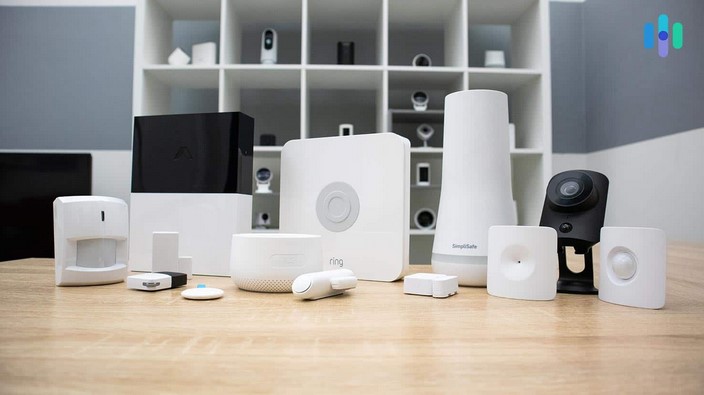
In today’s increasingly connected world, ensuring the safety and security of your home is more important than ever. Traditional security systems, while effective, often lack the advanced capabilities needed to keep up with modern threats. Smart security alarms have emerged as an essential component of connected homes, offering a new level of protection by integrating cutting-edge technology into the security framework. These intelligent devices not only alert homeowners to potential threats but also provide the ability to monitor and control security remotely, offering peace of mind no matter where you are. This article will delve into how smart security alarms are transforming home safety, the benefits they offer, and the critical features that homeowners should consider when choosing the best system for their needs.

The Evolution of Home Security

Home security systems have evolved significantly over the years, from simple door locks and manual alarm systems to advanced, networked solutions that allow homeowners to monitor their properties in real-time. One of the most significant innovations in this field is the advent of smart security alarms, which have taken home protection to the next level. Unlike traditional systems that require physical intervention and are limited in functionality, smart alarms are designed to be proactive, automated, and integrated with other smart home devices.

In a connected home, these alarms can be synced with security cameras, motion detectors, and even smart doorbells to create a comprehensive security ecosystem. They work seamlessly with smartphones, tablets, or computers, allowing homeowners to receive real-time alerts and take immediate action, no matter where they are. This integration also enables the use of artificial intelligence (AI) and machine learning to analyze data, predict potential security breaches, and minimize false alarms, making them more efficient and reliable than ever before.

Key Features of Smart Security Alarms

The rise of smart security alarms has revolutionized home security by offering a range of features that enhance both functionality and convenience. Here are some key features that make these systems a must-have for modern homeowners:

1. Remote Monitoring and Control

One of the primary advantages of smart security alarms is the ability to monitor and control your home security remotely. Using a dedicated smartphone app, homeowners can arm or disarm the system, view live video feeds from security cameras, and receive instant alerts when any unusual activity is detected. This level of control is especially useful when you’re away on vacation or at work, as it allows you to ensure that your home is secure at all times.

Remote access also makes it easier to manage multiple devices in your home. For example, if you have smart locks or smart lighting systems, these can be integrated into your security system for a more holistic approach to home protection. If a break-in is detected, you can remotely lock the doors or activate the lights to deter the intruder.

2. Integration with Other Smart Devices

Smart security alarms are designed to integrate with other smart home devices to create a seamless, interconnected ecosystem. This means that your security system can communicate with smart doorbells, cameras, motion sensors, and even your thermostat. For instance, if a motion sensor detects movement, the system can automatically send an alert to your phone and trigger the security cameras to record footage.

Moreover, integration with voice assistants such as Amazon Alexa or Google Assistant allows for voice-controlled management of your security system. You can simply ask your voice assistant to check the status of your alarm, arm or disarm the system, or even review security footage without lifting a finger.

3. AI and Machine Learning Capabilities

As artificial intelligence and machine learning technologies become more advanced, smart security alarms are incorporating these features to improve the system’s efficiency and accuracy. AI-powered alarms can analyze patterns of activity within and around your home, detecting potential threats and distinguishing between normal and suspicious behaviors. For example, if the system detects that someone is approaching your home and triggering the motion sensors, AI can assess whether the individual is an authorized visitor or a potential intruder based on pre-programmed data.

Additionally, machine learning algorithms can help reduce false alarms by learning from past incidents. For instance, if the system frequently detects false triggers from pets, it can adjust its sensitivity to avoid triggering unnecessary alerts. This level of intelligence helps ensure that your security system remains both effective and accurate over time.

4. Emergency Response Integration

In case of a break-in or other emergency, smart security alarms can integrate with local emergency services, allowing for a faster response. Some systems are designed to automatically alert law enforcement, fire departments, or medical personnel when a breach is detected or when certain conditions, such as a smoke alarm, are triggered. This integration provides an additional layer of protection, as emergency responders can be notified immediately and reach your home more quickly.

In addition to emergency response services, many smart security alarms offer two-way communication features. This allows homeowners to speak directly with a monitoring service or emergency responders through their security system, providing crucial information during a crisis.

Benefits of Smart Security Alarms

Adopting smart security alarms for your home provides a variety of benefits that go beyond just protecting your property. Here are some of the most significant advantages:

1. Increased Convenience

Gone are the days of manually setting up security systems or rushing home to check if you armed your alarm. Smart security alarms offer ultimate convenience by allowing you to control everything from your phone, whether you’re at home or away. The ability to check on your property in real-time gives you peace of mind, knowing that you’re always in control.

2. Enhanced Security

Smart security alarms are designed to detect and respond to threats faster and more accurately than traditional systems. By using advanced technologies such as AI, motion detection, and integration with other smart devices, these alarms can create a more comprehensive and responsive security system. This significantly reduces the chances of a successful break-in or other threats to your home.

3. Cost Savings on Insurance

Many homeowners’ insurance companies offer discounts for homes equipped with smart security systems. By installing smart security alarms, you may be able to reduce your insurance premiums, as the system lowers the risk of theft, vandalism, and other threats. Over time, these savings can add up, making the investment in a smart security system worthwhile.

4. Adaptability and Scalability

Another key benefit of smart security alarms is their adaptability. As your security needs evolve, you can easily add new sensors, cameras, or other devices to your existing system. Whether you’re expanding your property or simply want to enhance your home’s security, smart security alarms are scalable and customizable to fit your specific needs.

Choosing the Right Smart Security Alarm System

With so many smart security options available on the market, it’s important to choose a system that aligns with your security needs and budget. When evaluating different systems, consider the following:

  • Compatibility: Ensure that the system is compatible with your existing smart home devices, such as voice assistants or other security cameras.
  • Reliability: Look for a system with a strong reputation for reliability, including minimal false alarms and consistent performance.
  • Monitoring Services: Many smart security systems offer optional professional monitoring services. Determine if this is a feature you need and choose accordingly.
  • Ease of Use: Ensure that the system has an intuitive interface, whether on a mobile app or through a web dashboard, making it easy to manage and control.

In conclusion, smart security alarms are transforming how we think about home security. With features like remote monitoring, AI-powered threat detection, and seamless integration with other smart devices, these systems offer unmatched convenience, reliability, and effectiveness. Whether you are looking to enhance your existing security infrastructure or invest in a comprehensive solution for the first time, smart security alarms provide a robust, flexible, and intelligent approach to protecting your home. As we move further into the connected future, these advanced systems will continue to evolve, making home security safer and more accessible than ever before.

Cybersecurity

Secure Coding Standards Every Developer Should Know in 2026

Source:https://blog.secureflag.com

As cybersecurity threats continue to evolve, developers must take proactive measures to ensure that the code they write is secure and resilient to attacks. Secure coding standards have become a vital part of the software development lifecycle, helping to minimize vulnerabilities that could be exploited by hackers. In 2026, with cyber threats becoming more sophisticated, secure coding is no longer a luxury—it’s a necessity. This article will explore the key secure coding standards that every developer should know, the importance of adopting these practices, and how to incorporate them into your coding routine to build safe, reliable, and secure applications.

Why Secure Coding Standards Matter

The digital landscape is expanding, and with it, the opportunities for cybercriminals to exploit security loopholes in software systems. In recent years, major data breaches, ransomware attacks, and other security vulnerabilities have caused immense damage to organizations, leading to financial losses, damaged reputations, and legal repercussions.

The need for secure coding standards is more pressing than ever, as organizations and developers are tasked with building applications that safeguard sensitive data, protect users, and comply with various regulatory requirements. Secure coding practices help developers identify and mitigate potential threats at the code level, ensuring that software remains resistant to the ever-growing landscape of cyber threats. By following these standards, developers can create applications that are harder to compromise, reduce the risk of exploitation, and safeguard both users and organizations from malicious actors.

Key Secure Coding Standards Every Developer Should Know in 2026

There are several secure coding principles and guidelines that developers should follow to ensure their code is as secure as possible. These practices touch on various aspects of development, from input validation and encryption to error handling and secure storage. Here are the most critical secure coding standards developers should implement in 2026:

1. Input Validation and Sanitization

One of the most common entry points for attackers is through unvalidated or unsanitized user input. Insecure input handling can lead to a range of security vulnerabilities, such as SQL injection, cross-site scripting (XSS), and command injection.

To prevent these vulnerabilities, developers should always validate and sanitize user input, ensuring that any input received from a user is properly formatted and doesn’t contain harmful characters or code. Use allow-lists to define valid inputs (e.g., specifying acceptable characters or data formats) and reject everything else. Employ parameterized queries when interacting with databases to avoid SQL injection attacks.

2. Authentication and Access Control

Another critical area of secure coding is ensuring that only authorized users can access sensitive information or perform privileged actions. Authentication and access control mechanisms are essential for securing any application. Developers should use industry-standard authentication methods such as multi-factor authentication (MFA) and implement strong password policies.

Additionally, developers must follow the principle of least privilege (PoLP) when it comes to access control. This means granting users only the permissions they need to perform their tasks and restricting access to sensitive data and features.

Incorporate secure session management practices, such as using secure cookies, setting proper session timeouts, and regularly updating session tokens to prevent session hijacking.

3. Data Encryption

Encryption plays a crucial role in protecting data both in transit and at rest. In 2026, data privacy regulations such as GDPR and CCPA have made it clear that protecting user data is not just a good practice—it’s a legal requirement. Developers must encrypt sensitive data (e.g., passwords, personal information, financial data) both in transit using protocols like HTTPS and at rest using strong encryption algorithms such as AES-256.

For password storage, developers should use bcrypt, Argon2, or PBKDF2 for hashing, as these algorithms are designed to resist brute force attacks. Additionally, avoid hardcoding cryptographic keys directly into your codebase. Instead, use secure key management practices and services to handle encryption keys.

Secure Coding Practices for Modern Development Frameworks

As software development continues to evolve, the frameworks and technologies developers use are becoming more sophisticated, but so are the methods attackers use to exploit vulnerabilities. Developers must be aware of the latest trends in secure coding and how to apply secure practices within modern development frameworks, including:

1. Framework-Specific Security Features

Many popular web development frameworks, such as Angular, React, Django, and Rails, come with built-in security features that help developers write secure code. These frameworks offer protections against common vulnerabilities, such as cross-site request forgery (CSRF) and cross-site scripting (XSS), but developers must be proactive in enabling and configuring these protections.

For example, Django provides a feature for protecting against CSRF attacks by generating tokens for each form submission. React and Angular come with built-in defenses against XSS by escaping user input and using secure rendering mechanisms. Developers should familiarize themselves with the security features of their chosen frameworks and always enable them.

2. Secure APIs and Web Services

As APIs become the backbone of modern software applications, developers must ensure that their APIs are secure. A few best practices include:

  • Authentication and Authorization: Use OAuth2.0, OpenID Connect, or API keys for authentication and authorization of API requests.
  • Rate Limiting: Implement rate-limiting mechanisms to protect your APIs from brute-force attacks and denial-of-service (DoS) attacks.
  • Input Validation: Validate and sanitize all incoming data to avoid injection attacks and other security flaws.
  • Secure Endpoints: Use HTTPS and TLS encryption for all communications between the client and server to protect data in transit.

By following these practices, developers can ensure that their APIs are secure and not vulnerable to common attacks.

Secure Coding Standards for Mobile and Cloud Applications

With mobile apps and cloud services becoming more widespread, developers must also adhere to secure coding practices specific to these environments.

1. Mobile Security

Mobile applications present unique challenges when it comes to security, such as device theft, reverse engineering, and insecure data storage. Developers should focus on:

  • Encrypting sensitive data stored on the device.
  • Obfuscating app code to prevent reverse engineering.
  • Using secure mobile development platforms and SDKs.
  • Implementing app hardening techniques, such as tamper detection and jailbreak detection.

Additionally, it’s crucial to implement secure communication protocols (like HTTPS) for mobile apps to protect data in transit.

2. Cloud Security

When developing for the cloud, developers need to follow best practices for securing both the application and the infrastructure. Cloud-based applications can face threats like unauthorized access, misconfigurations, and data breaches. Key practices include:

  • Using strong encryption for data both in transit and at rest.
  • Ensuring proper identity and access management (IAM) to control who has access to cloud resources.
  • Regularly auditing cloud environments for misconfigurations or vulnerabilities.
  • Using secure cloud services and avoiding risky practices like hardcoding credentials or API keys in the codebase.

As technology continues to advance, developers must stay ahead of emerging threats by adhering to secure coding standards that prioritize data protection, user privacy, and application security. In 2026, adopting these standards will be critical for building resilient applications that can withstand the evolving landscape of cyber threats. By following best practices for input validation, authentication, encryption, and secure API development, developers can create software that not only meets the needs of users but also ensures their security. Secure coding is a responsibility every developer must take seriously, and by incorporating these standards into your development process, you can help build the secure digital future that both businesses and users depend on.