
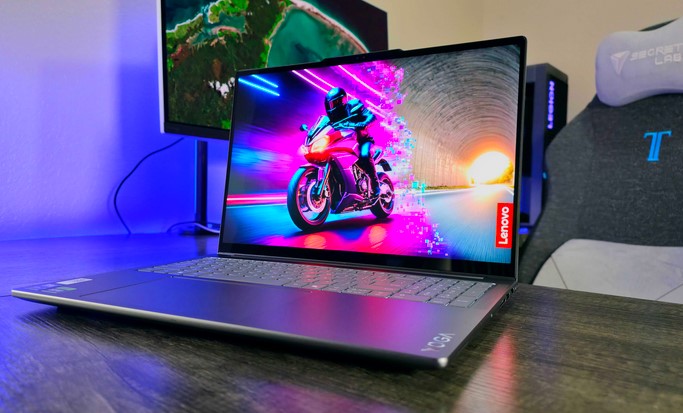
In today’s technology-driven world, laptops are no longer just portable computing devices—they are powerful tools capable of handling demanding tasks such as gaming, 3D rendering, video editing, and data analysis. However, high-performance workloads generate significant heat, which can reduce efficiency, throttle performance, and shorten the lifespan of internal components. This makes laptops with best cooling essential for gamers, content creators, and professionals who require consistent performance under heavy use. Advanced thermal management not only enhances performance but also ensures comfort, reliability, and device longevity, making it a critical factor in choosing a high-performance laptop.
Understanding Laptop Cooling Systems
Laptop cooling systems are designed to dissipate heat generated by the CPU, GPU, and other internal components. Effective thermal management involves a combination of hardware design, airflow optimization, and intelligent software controls. Key elements include fans, heat pipes, vapor chambers, and strategically placed vents that facilitate efficient airflow through the device.
High-end gaming laptops often feature multiple fans and large heat sinks that can quickly transfer heat away from the processor. Heat pipes or vapor chambers distribute thermal energy evenly, preventing localized hotspots that can lead to throttling or component damage. Some advanced models use liquid metal thermal compounds instead of traditional paste, improving heat conduction between the processor and heat sink.
Airflow design is equally important. Manufacturers optimize the placement of intake and exhaust vents to maximize the flow of cool air while expelling hot air efficiently. Devices with well-engineered airflow channels can maintain optimal temperatures without generating excessive noise, a common challenge in high-performance laptops.
Software also plays a critical role in cooling. Intelligent fan controls and thermal monitoring systems adjust fan speed based on workload and temperature thresholds. Some laptops provide customizable profiles that allow users to prioritize performance, quiet operation, or balanced cooling depending on the task at hand. This combination of hardware and software ensures that laptops can handle demanding workloads without overheating.
Importance of Cooling for Gaming and Heavy Workloads
Thermal management is especially critical for gaming and professional applications. Gaming laptops require sustained performance to maintain high frame rates, smooth rendering, and responsive gameplay. Overheating can cause the CPU or GPU to throttle, reducing performance and affecting the overall gaming experience. Laptops with best cooling maintain optimal temperatures, allowing consistent performance even during extended gaming sessions.
For professionals working with resource-intensive applications such as 3D modeling, video rendering, or scientific simulations, thermal stability is equally important. Workloads that stress both the CPU and GPU simultaneously can generate significant heat. Laptops that manage this heat effectively prevent system slowdowns, crashes, and potential hardware damage, ensuring reliability during critical tasks.
Comfort is another consideration. Poorly cooled laptops often transfer heat to the keyboard or palm rest, making them uncomfortable for extended use. Advanced cooling solutions direct heat away from surfaces frequently touched by the user, maintaining ergonomic comfort even under heavy workloads.
Features to Look for in High-Performance Cooling Laptops
Selecting a laptop with superior cooling requires careful evaluation of several factors. First, consider the number and type of fans and heat pipes. Multi-fan systems with larger blades and heat pipes generally provide more effective cooling. Vapor chamber technology is an added advantage, offering faster heat dissipation compared to traditional designs.
Chassis design and ventilation placement are also important. Laptops with elevated bases or venting on multiple sides improve airflow and heat expulsion. Metal chassis materials, such as aluminum or magnesium alloy, conduct heat better than plastic and enhance overall thermal performance.
Software and customization options should not be overlooked. Many high-end laptops allow users to adjust fan speeds, monitor temperatures in real time, and select cooling profiles tailored to gaming, professional workloads, or quiet operation. Laptops that combine strong hardware cooling with intelligent software controls deliver consistent performance and flexibility.
Noise management is another factor. Powerful cooling systems often produce higher fan noise. The best designs balance airflow efficiency with quiet operation, ensuring users can focus on work or gaming without distracting fan sounds. Features like fan curve customization or silent mode provide additional control over acoustic performance.
Lastly, consider portability and weight. High-performance cooling systems may increase the size and weight of a laptop, so it is important to strike a balance between thermal performance and mobility based on individual needs.
In conclusion, laptops with best cooling are indispensable for gamers, content creators, and professionals handling heavy workloads. By combining advanced thermal hardware, optimized airflow, and intelligent software controls, these devices maintain peak performance, ensure user comfort, and extend component lifespan. Investing in a laptop with superior cooling ensures that demanding tasks can be performed reliably and efficiently, delivering a consistent and high-quality computing experience.