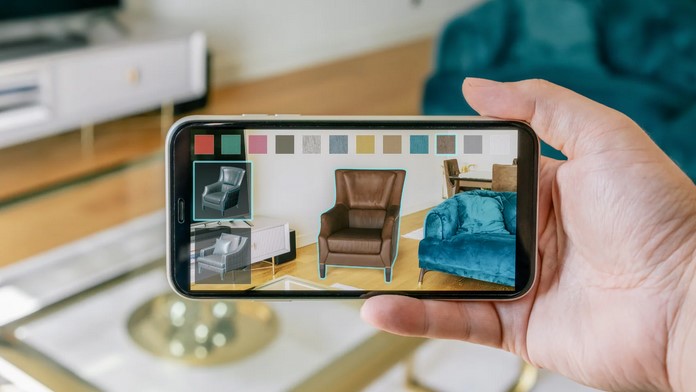
In recent years, ar shopping experiences have emerged as one of the most transformative innovations in digital commerce, reshaping how consumers discover, evaluate, and purchase products. By blending the physical and digital worlds, augmented reality (AR) allows shoppers to visualize items in real-world environments before making a buying decision. This shift goes beyond novelty; it addresses long-standing challenges in online shopping such as uncertainty, lack of physical interaction, and hesitation about fit or appearance. As AR technology matures, it is redefining expectations for convenience, confidence, and engagement in the buying journey.
The growth of AR-powered shopping is driven by advances in mobile devices, faster networks, and improved computer vision. Retailers are no longer limited to static images and product descriptions. Instead, they can offer immersive, interactive experiences that bring products to life. From trying on clothes virtually to placing furniture in a living room through a smartphone camera, AR shopping is quickly becoming a core component of modern retail strategy rather than an experimental add-on.
How Augmented Reality Is Transforming Consumer Decision-Making
One of the most significant impacts of AR in retail is how it influences consumer decision-making. Traditional online shopping often requires buyers to imagine how a product will look or function in their own space. This mental leap introduces doubt and increases the likelihood of returns. AR reduces this uncertainty by offering realistic previews that align closely with real-world conditions.
When shoppers can see how a sofa fits in their living room or how a pair of glasses complements their face shape, confidence increases. This visual reassurance shortens the decision-making process and improves satisfaction with purchases. Studies across various retail sectors show that customers who interact with AR features are more likely to complete a purchase and less likely to return the product.
AR also enhances emotional engagement. Interactive product visualization creates a sense of ownership even before the transaction is complete. This psychological connection encourages stronger brand loyalty and makes the shopping experience more memorable. Instead of passively scrolling through product listings, consumers actively engage with items, exploring them from multiple angles and contexts.
From a business perspective, AR-driven insights provide valuable data. Retailers can analyze how customers interact with virtual products, which features attract the most attention, and where hesitation occurs. These insights help refine product design, marketing strategies, and inventory planning, creating a more responsive and customer-centric retail ecosystem.
Applications of AR Shopping Across Industries
Augmented reality shopping is not confined to a single sector. Its versatility has enabled adoption across industries, each leveraging the technology to address unique challenges and customer needs.
Retail, Fashion, and Home Design Use Cases
In fashion and apparel, AR allows customers to try on clothing, shoes, and accessories virtually. Virtual fitting rooms use body tracking and size estimation to simulate how garments will look and move. This is particularly valuable in online fashion retail, where sizing inconsistencies and style uncertainty often lead to high return rates.
The beauty industry has also embraced AR, enabling virtual makeup try-ons that show how different shades and products appear on an individual’s skin tone. These experiences help customers experiment freely without physical testers, enhancing hygiene and convenience while encouraging exploration of new products.
In home design and furniture retail, AR applications allow users to place virtual furniture, lighting, or décor items into their living spaces. This helps customers assess scale, color coordination, and spatial compatibility. As a result, buyers feel more confident in larger, higher-value purchases that traditionally required in-store visits.
Automotive and electronics retailers are also leveraging AR to showcase product features. Customers can explore the interior of a car, visualize how a television fits on a wall, or understand the dimensions of appliances within their kitchen layout. These experiences bridge the gap between online research and in-person inspection.
Challenges, Ethics, and the Future of AR Shopping
While the benefits of AR shopping are substantial, the technology also presents challenges that retailers and consumers must navigate. One key concern is accessibility. Not all consumers have access to devices capable of supporting advanced AR features, potentially creating a digital divide. Retailers must balance innovation with inclusivity by offering alternative ways to explore products.
Data privacy is another critical issue. AR applications often rely on cameras, facial recognition, and spatial mapping, raising concerns about how personal data is collected, stored, and used. Transparent data practices and robust security measures are essential to maintain consumer trust as AR adoption grows.
There are also technical limitations to consider. Accurate AR experiences depend on high-quality 3D models, precise tracking, and consistent lighting conditions. Poorly implemented AR can lead to unrealistic representations that undermine trust rather than build it. Continuous investment in technology and testing is necessary to ensure reliable and meaningful experiences.
Looking ahead, the future of AR shopping is closely tied to broader technological developments. As wearable devices, smart glasses, and mixed reality platforms become more mainstream, AR shopping will move beyond smartphones. Consumers may soon browse products overlaid seamlessly onto their physical environment, making shopping a continuous and context-aware experience.
Integration with artificial intelligence will further enhance personalization. AI-driven AR systems could adapt product recommendations in real time based on user behavior, preferences, and surroundings. This convergence of technologies will push retail toward hyper-personalized, immersive commerce that feels intuitive rather than intrusive.
As digital commerce continues to evolve, ar shopping experiences are redefining how consumers interact with products and brands. By reducing uncertainty, enhancing engagement, and blending physical and digital realities, AR is addressing long-standing pain points in the buying process. While challenges around accessibility, privacy, and technical execution remain, the overall trajectory is clear: AR is becoming a foundational element of modern retail. For businesses willing to invest thoughtfully and responsibly, AR shopping offers a powerful opportunity to build trust, differentiate their brand, and meet the rising expectations of today’s digitally savvy consumers.