IoT

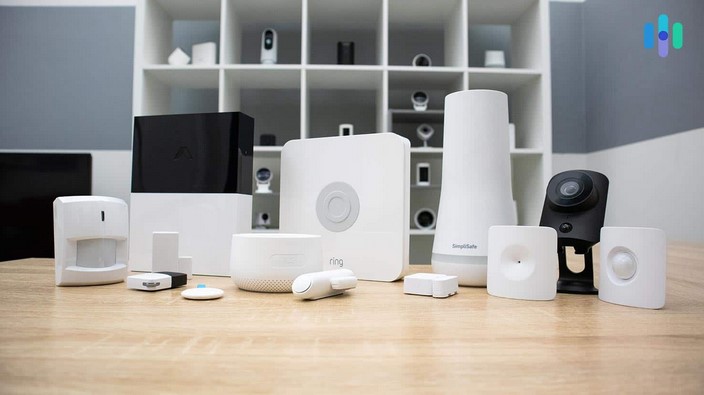
Smart Security Alarms for Safer Connected Homes

Source:https://www.security.org

In today’s increasingly connected world, ensuring the safety and security of your home is more important than ever. Traditional security systems, while effective, often lack the advanced capabilities needed to keep up with modern threats. Smart security alarms have emerged as an essential component of connected homes, offering a new level of protection by integrating cutting-edge technology into the security framework. These intelligent devices not only alert homeowners to potential threats but also provide the ability to monitor and control security remotely, offering peace of mind no matter where you are. This article will delve into how smart security alarms are transforming home safety, the benefits they offer, and the critical features that homeowners should consider when choosing the best system for their needs.

The Evolution of Home Security

Home security systems have evolved significantly over the years, from simple door locks and manual alarm systems to advanced, networked solutions that allow homeowners to monitor their properties in real-time. One of the most significant innovations in this field is the advent of smart security alarms, which have taken home protection to the next level. Unlike traditional systems that require physical intervention and are limited in functionality, smart alarms are designed to be proactive, automated, and integrated with other smart home devices.

In a connected home, these alarms can be synced with security cameras, motion detectors, and even smart doorbells to create a comprehensive security ecosystem. They work seamlessly with smartphones, tablets, or computers, allowing homeowners to receive real-time alerts and take immediate action, no matter where they are. This integration also enables the use of artificial intelligence (AI) and machine learning to analyze data, predict potential security breaches, and minimize false alarms, making them more efficient and reliable than ever before.

Key Features of Smart Security Alarms

The rise of smart security alarms has revolutionized home security by offering a range of features that enhance both functionality and convenience. Here are some key features that make these systems a must-have for modern homeowners:

1. Remote Monitoring and Control

One of the primary advantages of smart security alarms is the ability to monitor and control your home security remotely. Using a dedicated smartphone app, homeowners can arm or disarm the system, view live video feeds from security cameras, and receive instant alerts when any unusual activity is detected. This level of control is especially useful when you’re away on vacation or at work, as it allows you to ensure that your home is secure at all times.

Remote access also makes it easier to manage multiple devices in your home. For example, if you have smart locks or smart lighting systems, these can be integrated into your security system for a more holistic approach to home protection. If a break-in is detected, you can remotely lock the doors or activate the lights to deter the intruder.

2. Integration with Other Smart Devices

Smart security alarms are designed to integrate with other smart home devices to create a seamless, interconnected ecosystem. This means that your security system can communicate with smart doorbells, cameras, motion sensors, and even your thermostat. For instance, if a motion sensor detects movement, the system can automatically send an alert to your phone and trigger the security cameras to record footage.

Moreover, integration with voice assistants such as Amazon Alexa or Google Assistant allows for voice-controlled management of your security system. You can simply ask your voice assistant to check the status of your alarm, arm or disarm the system, or even review security footage without lifting a finger.

3. AI and Machine Learning Capabilities

As artificial intelligence and machine learning technologies become more advanced, smart security alarms are incorporating these features to improve the system’s efficiency and accuracy. AI-powered alarms can analyze patterns of activity within and around your home, detecting potential threats and distinguishing between normal and suspicious behaviors. For example, if the system detects that someone is approaching your home and triggering the motion sensors, AI can assess whether the individual is an authorized visitor or a potential intruder based on pre-programmed data.

Additionally, machine learning algorithms can help reduce false alarms by learning from past incidents. For instance, if the system frequently detects false triggers from pets, it can adjust its sensitivity to avoid triggering unnecessary alerts. This level of intelligence helps ensure that your security system remains both effective and accurate over time.

4. Emergency Response Integration

In case of a break-in or other emergency, smart security alarms can integrate with local emergency services, allowing for a faster response. Some systems are designed to automatically alert law enforcement, fire departments, or medical personnel when a breach is detected or when certain conditions, such as a smoke alarm, are triggered. This integration provides an additional layer of protection, as emergency responders can be notified immediately and reach your home more quickly.

In addition to emergency response services, many smart security alarms offer two-way communication features. This allows homeowners to speak directly with a monitoring service or emergency responders through their security system, providing crucial information during a crisis.

Benefits of Smart Security Alarms

Adopting smart security alarms for your home provides a variety of benefits that go beyond just protecting your property. Here are some of the most significant advantages:

1. Increased Convenience

Gone are the days of manually setting up security systems or rushing home to check if you armed your alarm. Smart security alarms offer ultimate convenience by allowing you to control everything from your phone, whether you’re at home or away. The ability to check on your property in real-time gives you peace of mind, knowing that you’re always in control.

2. Enhanced Security

Smart security alarms are designed to detect and respond to threats faster and more accurately than traditional systems. By using advanced technologies such as AI, motion detection, and integration with other smart devices, these alarms can create a more comprehensive and responsive security system. This significantly reduces the chances of a successful break-in or other threats to your home.

3. Cost Savings on Insurance

Many homeowners’ insurance companies offer discounts for homes equipped with smart security systems. By installing smart security alarms, you may be able to reduce your insurance premiums, as the system lowers the risk of theft, vandalism, and other threats. Over time, these savings can add up, making the investment in a smart security system worthwhile.

4. Adaptability and Scalability

Another key benefit of smart security alarms is their adaptability. As your security needs evolve, you can easily add new sensors, cameras, or other devices to your existing system. Whether you’re expanding your property or simply want to enhance your home’s security, smart security alarms are scalable and customizable to fit your specific needs.

Choosing the Right Smart Security Alarm System

With so many smart security options available on the market, it’s important to choose a system that aligns with your security needs and budget. When evaluating different systems, consider the following:

  • Compatibility: Ensure that the system is compatible with your existing smart home devices, such as voice assistants or other security cameras.
  • Reliability: Look for a system with a strong reputation for reliability, including minimal false alarms and consistent performance.
  • Monitoring Services: Many smart security systems offer optional professional monitoring services. Determine if this is a feature you need and choose accordingly.
  • Ease of Use: Ensure that the system has an intuitive interface, whether on a mobile app or through a web dashboard, making it easy to manage and control.

In conclusion, smart security alarms are transforming how we think about home security. With features like remote monitoring, AI-powered threat detection, and seamless integration with other smart devices, these systems offer unmatched convenience, reliability, and effectiveness. Whether you are looking to enhance your existing security infrastructure or invest in a comprehensive solution for the first time, smart security alarms provide a robust, flexible, and intelligent approach to protecting your home. As we move further into the connected future, these advanced systems will continue to evolve, making home security safer and more accessible than ever before.

IoT

IoT Sensors: Powering Smart Cities and Industry 4.0

Source:https://southeastasiainfra.com

In an era where connectivity and automation are increasingly defining the way we live and work, IoT sensors are emerging as a cornerstone of modern technological advancements. These sensors, embedded in devices and infrastructure, collect real-time data and communicate with other systems, enabling a level of connectivity and efficiency never before possible. Whether it’s optimizing urban infrastructure for a smart city or enhancing automation processes in manufacturing for Industry 4.0, IoT sensors are driving unprecedented changes across industries. In this article, we will explore how IoT sensors are fueling the next wave of innovation, transforming cities and industries into smarter, more responsive systems.

What Are IoT Sensors?

The term IoT sensors refers to small devices embedded in everyday objects or systems that collect data from their environment and transmit that information to other devices or centralized platforms. These sensors can detect various types of information, such as temperature, humidity, motion, light, pressure, and much more. By transmitting data in real-time via internet connectivity, IoT sensors play a critical role in enabling the Internet of Things (IoT) ecosystem, where devices can communicate, analyze, and respond to their environment autonomously.

In a smart city, IoT sensors are deployed across urban infrastructure—such as traffic lights, waste management systems, public transportation, and environmental monitoring tools—to gather valuable data that can be used to improve the efficiency and quality of urban living. In Industry 4.0, IoT sensors are key to the seamless integration of machines, sensors, and processes, enabling the automation of manufacturing and supply chain operations for greater precision and cost-efficiency.

The ability of IoT sensors to provide real-time data makes them a critical enabler of smart technologies. Let’s dive deeper into their applications in both smart cities and Industry 4.0.

IoT Sensors in Smart Cities

The concept of a smart city refers to an urban area that uses technology to improve the quality of life for its residents, reduce environmental impact, and enhance operational efficiency. At the core of this transformation lies the deployment of IoT sensors, which enable cities to collect and analyze data from various systems to make informed, data-driven decisions.

1. Traffic Management

One of the most immediate and impactful applications of IoT sensors in smart cities is in traffic management. By installing sensors on roads, traffic lights, and vehicles, cities can monitor traffic flow in real-time. These sensors can detect congestion, accidents, or road closures and immediately adjust traffic signals or redirect drivers to avoid bottlenecks. Furthermore, the data collected can be used to design smarter, more efficient road systems that minimize delays and improve traffic safety.

For example, intelligent traffic lights powered by IoT sensors can dynamically adjust their cycles based on real-time traffic data, ensuring smoother traffic movement and reducing overall travel times for commuters.

2. Environmental Monitoring

IoT sensors are also transforming how cities monitor and manage environmental factors such as air quality, water levels, and noise pollution. By placing sensors in various locations throughout the city, municipalities can continuously track pollutants, monitor weather patterns, and even detect hazardous situations like floods or gas leaks. This real-time data allows city officials to take prompt action in response to environmental threats, improving public health and safety.

Additionally, environmental data collected by IoT sensors can be used to inform urban planning decisions, such as the placement of green spaces, pollution control measures, or disaster preparedness strategies.

3. Energy Efficiency

Smart cities are also embracing IoT sensors to improve energy efficiency and reduce waste. Sensors embedded in street lights, buildings, and power grids allow cities to monitor energy usage and identify opportunities for optimization. For instance, smart street lights equipped with motion sensors can dim when no one is around, saving energy and reducing costs. Similarly, IoT sensors in buildings can monitor occupancy and adjust heating, ventilation, and air conditioning (HVAC) systems accordingly to ensure energy is not wasted.

By collecting and analyzing data, cities can optimize energy consumption and contribute to sustainability goals while reducing operational expenses.

4. Waste Management

Waste management is another area where IoT sensors are making a big impact. Traditional waste management systems often rely on scheduled pickups, which can lead to inefficiencies when bins are either too full or too empty. With IoT sensors in waste bins, cities can monitor fill levels in real-time, triggering pickups only when necessary. This optimizes resources, reduces fuel consumption from waste collection vehicles, and minimizes the environmental impact.

IoT Sensors in Industry 4.0

Industry 4.0 refers to the next phase of industrial revolution, where factories and manufacturing facilities are transformed by automation, data exchange, and smart technologies. At the heart of this transformation are IoT sensors, which enable real-time data collection and analysis from machinery, production lines, and entire supply chains.

1. Predictive Maintenance

One of the most significant applications of IoT sensors in Industry 4.0 is predictive maintenance. In traditional manufacturing environments, equipment failure can lead to costly downtime, repairs, and production delays. However, with IoT sensors embedded in machines, manufacturers can monitor the health of their equipment in real-time, detecting early signs of wear or malfunction before they lead to breakdowns.

By using predictive algorithms and data analysis, maintenance teams can schedule repairs or part replacements only when necessary, reducing downtime, improving equipment lifespan, and saving on unnecessary maintenance costs.

2. Supply Chain Optimization

IoT sensors are also revolutionizing the management of supply chains. From tracking inventory in warehouses to monitoring shipments in transit, IoT sensors provide visibility into every step of the supply chain. This enables manufacturers and retailers to make data-driven decisions to optimize their operations.

For instance, IoT sensors can track the location and condition of products as they move through the supply chain. Real-time monitoring can help identify bottlenecks or delays, allowing companies to take corrective action. Additionally, sensors can monitor product conditions (e.g., temperature-sensitive items) to ensure that products are not damaged during shipping.

3. Smart Manufacturing

In Industry 4.0, manufacturing is becoming more automated and intelligent. IoT sensors are crucial in creating “smart factories,” where machines, robots, and other devices are interconnected and can communicate with each other. These sensors enable machines to self-monitor their performance, adjust operations in real-time, and even collaborate with other machines to improve efficiency.

For example, sensors can monitor the quality of products on a production line, immediately detecting defects and triggering automatic corrections. This level of automation allows manufacturers to reduce waste, enhance product quality, and increase production efficiency.

4. Energy Management

Similar to their use in smart cities, IoT sensors are also used in industrial settings to optimize energy consumption. By embedding sensors in machines and equipment, manufacturers can monitor energy usage and identify opportunities to reduce waste. Sensors can also be used to monitor temperature and humidity levels in manufacturing environments, ensuring that optimal conditions are maintained for both energy efficiency and product quality.

Challenges and Future of IoT Sensors

Despite the vast potential of IoT sensors, there are still several challenges to overcome. One of the main challenges is ensuring the security and privacy of the data being collected. With IoT sensors gathering sensitive information, it is crucial to implement robust cybersecurity measures to protect against hacking and data breaches.

Additionally, the sheer volume of data generated by IoT sensors can be overwhelming. Effective data management, storage, and analysis solutions are essential to ensure that organizations can extract valuable insights without being inundated by noise.

However, the future of IoT sensors looks promising. As technology advances, we can expect more sophisticated sensors that are smaller, more energy-efficient, and capable of collecting more diverse types of data. The integration of artificial intelligence (AI) and machine learning (ML) with IoT sensors will enable even smarter, autonomous systems that can adapt and evolve in real time.

In conclusion, IoT sensors are pivotal in driving the transformation of both smart cities and Industry 4.0. Their ability to collect real-time data and enable smarter decision-making is enhancing the efficiency, sustainability, and security of urban environments and industrial processes. From traffic management and waste reduction in smart cities to predictive maintenance and energy optimization in manufacturing, IoT sensors are powering a new era of connectivity and automation. As technology continues to evolve, we can expect these sensors to play an even greater role in shaping the future of our cities and industries, paving the way for smarter, more connected worlds.