Hardware

Programming Universal RCA Remote: Mastering the Art of Device Control

Source : https://cdn.thewirecutter.com

Universal remotes are a game-changer for simplifying your home entertainment system. Among these, the RCA universal remote is a popular choice, offering users the ability to control multiple devices with a single remote. Programming universal RCA remote can seem like a daunting task, but with the right knowledge and steps, anyone can get their devices working seamlessly. This article will guide you through the process of programming your RCA universal remote, providing tips and tricks to help you optimize its functionality and ensure effortless device control.

What is a Universal RCA Remote?

Before we dive into the programming universal RCA remote process, let’s first understand what this device is and why it’s a useful addition to any entertainment setup.

A universal remote is designed to control multiple devices such as televisions, DVD players, soundbars, and even cable boxes. The RCA universal remote is one of the most widely used remote controls for this purpose due to its compatibility with a wide range of brands and devices. The key advantage of using a universal remote is the ability to eliminate the need for multiple remotes, which can often clutter your living space.

The RCA remote uses either infrared (IR) or radio frequency (RF) signals to communicate with the devices it controls. Once programmed, the remote can send signals to each device, mimicking the functionality of the original remote that came with the device. This feature makes it convenient for people who want to consolidate their remotes and enjoy a cleaner, more efficient entertainment system.

Steps to Programming Your RCA Universal Remote

Programming your RCA universal remote is a straightforward process, and it can be done in a few simple steps. The procedure typically involves using the remote’s built-in code search feature or manually entering device codes. Here are the general steps to follow for successful programming:

1. Prepare Your Devices

Before starting the programming process, ensure that all the devices you want to control with the RCA remote are powered on. You should also have the device’s brand name and model number handy, as this information will be required to find the correct code for programming.

2. Turn on the Remote Control

Make sure your RCA universal remote has fresh batteries installed. If your remote is not working properly, replace the batteries before starting the programming process.

3. Use the Code Search Method

The code search method allows you to program the remote to control your device without manually entering a code. Follow these steps to begin:

  • Press and hold the “Code Search” button on the RCA remote until the red indicator light turns on.
  • Release the “Code Search” button, and the red indicator will stay on.
  • Press and release the device button you want to control (TV, DVD, etc.). The red indicator light will blink once and then stay on again.
  • Press and release the “Power” button. The remote will start searching for the correct code.
  • The red indicator will blink and turn off once the code is found. At this point, your device should be under the remote’s control.
  • Press the “Enter” button to store the code. The red indicator will turn off.

4. Manually Enter the Code

If you prefer to enter the code manually, follow these steps:

  • Turn on the device you wish to control.
  • Find the device’s code from the user manual or the online RCA remote code database.
  • Press and hold the “Code Search” button until the red indicator turns on.
  • Release the “Code Search” button, and the red indicator will stay on.
  • Press and release the device button you want to control (e.g., TV or DVD).
  • Using the keypad, enter the 3-digit code for your device. The red indicator will turn off once the code is successfully entered.
  • Test the remote by pressing the “Power” button to see if the device responds. If the device does not respond, repeat the process with the next code in the list.

5. Test the Remote Control

Once you’ve successfully programmed the remote for your device, test it by pressing buttons like power, volume, and channel. If the device responds correctly, you’ve successfully completed the programming. If it doesn’t, repeat the process or try another code.

6. Program Multiple Devices

If you wish to control multiple devices with your RCA remote, you can program each one using the same method. You will need to use the device button (TV, DVD, etc.) to switch between devices when operating them. Repeat the programming process for each device to ensure full functionality.

Common Issues When Programming Your RCA Remote

While the programming process is generally simple, there are a few common issues that may arise. Here are some troubleshooting tips:

1. Unresponsive Device

If the device doesn’t respond after programming the remote, try the following:

  • Make sure the device is turned on before programming.
  • Check that you’ve entered the correct code for your device.
  • Replace the batteries in the remote to ensure strong signal transmission.

2. Remote Not Working After a Few Minutes

If your RCA universal remote stops working after a few minutes, the problem might be with the batteries or the signal. Try replacing the batteries and ensuring that the remote’s signal is not obstructed.

3. Not All Functions Work

Sometimes, certain functions like volume control or input selection may not work. If this happens, try programming the remote with a different code or refer to the user manual for advanced troubleshooting steps.

4. Programmed Device Not Responding to Remote

If your device isn’t responding after programming, check the device’s settings to ensure that it is set to accept remote control input. Some devices may have settings that disable remote control functionality.

Mastering the programming universal RCA remote process can significantly enhance your home entertainment experience by consolidating multiple remote controls into one device. With a few simple steps, you can program your RCA universal remote to control various devices like TVs, soundbars, and DVD players, making it easier to operate your home theater system. Whether you choose to use the code search method or manually input the device codes, the process is designed to be user-friendly and efficient. Keep in mind the troubleshooting tips if you encounter any issues, and enjoy the simplicity and convenience of a single remote controlling all your devices.

Technology

Difference Between MP3 and MP4: Unpacking Digital Audio and Video Formats

Source : https://static.wixstatic.com

In the world of digital media, two file formats that are commonly encountered are MP3 and MP4. These formats have revolutionized how we store, share, and consume audio and video content, but many users are unsure about the difference between MP3 and MP4. Both formats are incredibly popular, but they serve distinct purposes in terms of audio and video storage and playback. This article will explore the key differences between MP3 and MP4, the uses of each format, and which one might be best suited for your needs.

Understanding MP3 and MP4

Before diving into the difference between MP3 and MP4, it’s important to understand what these formats actually are.

What is MP3?

MP3, short for MPEG Audio Layer 3, is a digital audio format that uses lossy compression to reduce the size of audio files while maintaining reasonable sound quality. Developed in the early 1990s, MP3 has become the standard format for storing and sharing music, podcasts, and other audio content. The primary benefit of MP3 is its ability to shrink large audio files into smaller sizes, making them easy to download, stream, and store without taking up significant storage space on devices.

MP3 files are widely compatible with almost all music players, smartphones, and other devices, and they are often used for distributing audio content over the internet. However, since MP3 uses lossy compression, some audio quality is sacrificed to reduce file size, meaning that the higher the compression, the lower the overall quality.

What is MP4?

MP4, on the other hand, is a digital multimedia format designed to store both video and audio files, as well as other data such as subtitles and images. MP4 is part of the MPEG-4 family of standards and is one of the most popular video formats used today for streaming, recording, and distributing multimedia content.

Unlike MP3, which is exclusively an audio format, MP4 can support both audio and video, which makes it a versatile file format for multimedia content. MP4 files use a combination of lossy compression techniques for both video and audio, making them highly efficient in terms of file size while maintaining decent quality. It is the preferred format for video streaming services like YouTube and social media platforms due to its ability to deliver good-quality video with relatively small file sizes.

Key Differences Between MP3 and MP4

While both MP3 and MP4 are used to store digital media, they are designed for different purposes and come with unique features. Let’s take a closer look at the difference between MP3 and MP4.

1. File Content

The most obvious difference is that MP3 is an audio-only format, while MP4 is a multimedia format. MP3 files are designed to store compressed audio files and are typically used for music, podcasts, or audio books. MP4 files, however, can store both video and audio content, which makes them a better option for media-rich experiences.

  • MP3: Primarily used for audio files such as music, podcasts, and audiobooks.
  • MP4: Can store both audio and video files, making it a popular format for video content.

2. File Size and Compression

Both MP3 and MP4 use lossy compression to reduce file size, but the extent of the compression and how it impacts quality can differ. MP3 files tend to be smaller than MP4 files, especially for audio content. However, MP4 files are optimized for multimedia content, so the size may vary depending on the length of the video and the quality of the audio and video encoding.

  • MP3: Typically offers smaller file sizes by focusing on compressing audio data, which makes it suitable for music storage and streaming.
  • MP4: File sizes can be larger than MP3 since it combines both audio and video, but it remains relatively efficient for video streaming and playback.

3. Quality

When comparing difference between MP3 and MP4 in terms of quality, it’s important to note that MP3 sacrifices audio quality to achieve smaller file sizes. The more compression an MP3 file undergoes, the lower the quality. This is particularly noticeable when listening to high-fidelity music or intricate audio details.

MP4, on the other hand, typically provides higher video and audio quality because it can use more advanced compression algorithms for both types of content. It is widely used for streaming and watching videos on platforms such as YouTube, where good video quality is a priority.

  • MP3: May have reduced audio quality, especially at lower bitrates.
  • MP4: Offers better video and audio quality, especially at higher bitrates.

4. Compatibility and Use Cases

MP3 files are extremely versatile and widely supported across a variety of devices, including smartphones, tablets, computers, MP3 players, and more. Its compact size and audio-only format make it the go-to choice for audio content that needs to be stored and played on the go.

MP4 files, on the other hand, are optimized for video and are supported by most modern smartphones, computers, and video players. MP4 is the standard format for video streaming and is often used on platforms like YouTube, Vimeo, and Netflix. It is also commonly used for video editing and recording.

  • MP3: Ideal for audio content such as music, podcasts, and audiobooks.
  • MP4: Best for video content, including movies, TV shows, video podcasts, and online videos.

5. Editing and Conversion

When it comes to editing or converting files, MP3 files are relatively simple to work with as they are audio-only. Many audio editing software programs, such as Audacity, support MP3 files, making it easy to trim, mix, or adjust audio.

MP4 files, being multimedia containers, require more advanced editing software. Video editing tools like Adobe Premiere Pro, Final Cut Pro, and others are often used to edit MP4 files due to their ability to handle both video and audio streams. Converting MP4 files into other formats, such as AVI or MKV, is also relatively easy with the right tools.

  • MP3: Easier to edit for audio-only projects.
  • MP4: Requires more advanced software for editing, especially for video content.

Choosing Between MP3 and MP4

Now that we’ve explored the difference between MP3 and MP4, it’s clear that the decision to use one format over the other depends on the type of content you want to work with. If you’re primarily looking for an audio format for music or podcasts, MP3 is the best option due to its small file size, wide compatibility, and ease of use. However, if you need a format that supports both audio and video for projects like videos, tutorials, or vlogs, MP4 is the better choice.

Both formats have their own advantages and limitations. The best choice for you will depend on your specific use case—whether you need high-quality audio for music, compact file sizes for portability, or rich multimedia content for video streaming and playback.

In summary, understanding the difference between MP3 and MP4 is essential for making informed decisions about digital media formats. MP3 is the go-to format for audio content, providing efficient compression for music and podcasts, while MP4 is the preferred choice for video content, offering both high-quality audio and video in a single file. By selecting the right format based on your needs, you can optimize your digital media experience, whether you’re listening to your favorite songs or sharing a high-quality video online.

Gadgets

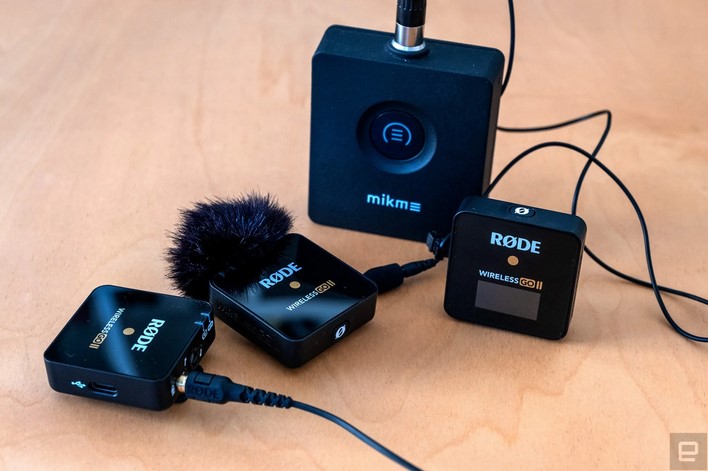
Best Mic for Phone: Enhancing Mobile Audio Quality

Source : https://mysterio.yahoo.com

In today’s fast-paced world, smartphones have become essential tools for communication, entertainment, and content creation. Whether it’s recording a podcast, capturing a video, or making an important phone call, the quality of audio plays a critical role in ensuring clear communication. Many users are now seeking the best mic for phone to enhance their audio experience and capture professional-grade sound. In this article, we will explore the factors to consider when choosing a microphone for your phone, highlight some of the top options available, and explain how the right mic can significantly improve mobile audio quality.

Factors to Consider When Choosing the Best Mic for Phone

When selecting a microphone for your phone, there are several key factors to consider that will impact your overall audio quality. The ideal mic should not only provide clear sound but also be compatible with your mobile device and meet your specific needs. Here are some important considerations when looking for the best mic for phone:

1. Compatibility

The first step in finding the right microphone is ensuring it is compatible with your phone. Most modern smartphones use a 3.5mm headphone jack, but newer models may require adapters or may only support USB-C or Lightning connectors. Additionally, some microphones are designed specifically for either Android or iOS devices, so you need to choose one that fits your phone’s port and connectivity options.

2. Audio Quality

The primary reason for purchasing an external mic is to improve the quality of audio. A high-quality microphone should capture sound with minimal distortion, noise, and interference. Look for microphones that offer clear, crisp audio, especially if you plan on using it for professional recordings, streaming, or content creation. Consider the frequency response and sensitivity of the mic to ensure it captures a wide range of sounds accurately.

3. Portability

Since many people use their smartphones for on-the-go activities such as interviews, vlogging, or streaming, portability is a crucial feature in a mic. Ideally, you want a microphone that is lightweight, compact, and easy to carry around. Look for models that come with carrying cases or protective pouches for easy storage.

4. Type of Microphone

There are different types of microphones available, and each has its advantages and use cases:

  • Lavalier Mics (Clip-on Mics): These small, clip-on mics are ideal for hands-free use, interviews, or recording voice in noisy environments. They are often used by content creators, public speakers, and vloggers.
  • Shotgun Mics: These are highly directional microphones designed to pick up sound from a specific source while rejecting noise from the sides and back. They are great for capturing focused audio in environments with a lot of background noise.
  • Condenser Mics: These mics are popular for high-quality recordings, as they capture rich, clear sound. They are commonly used for voiceover work, podcasts, and video production.
  • USB Microphones: Some USB microphones can be used with phones via a compatible adapter. These microphones are often used for podcasting or streaming because of their excellent sound quality.

5. Budget

Finally, your budget will play a role in determining which microphone is the best fit for you. There are excellent options in various price ranges, so it’s important to weigh the features against the cost. Higher-end microphones typically offer more durability, superior sound quality, and additional features, but there are also budget-friendly options that can deliver great performance for casual or occasional use.

Top Picks for the Best Mic for Phone

Now that we have discussed the important factors to consider, here are some of the best microphones for phones available today:

1. Shure MV88 Digital Stereo Condenser Microphone

The Shure MV88 is a compact and high-performance stereo microphone that is perfect for mobile content creators. It connects directly to iOS devices via a Lightning connector and provides exceptional audio quality. With a built-in DSP (digital signal processing), the MV88 offers adjustable settings for different recording environments, including voice, flat, and acoustic modes. Its small size and high-quality sound make it an ideal choice for on-the-go podcasters, musicians, and videographers.

2. Rode VideoMic Me-L

Rode’s VideoMic Me-L is a shotgun-style microphone designed specifically for iOS devices. It connects directly to the Lightning port, making it incredibly easy to use without the need for any adapters. The VideoMic Me-L offers highly directional sound capture, which is perfect for reducing background noise while recording in busy or noisy environments. It also features a built-in headphone jack for real-time audio monitoring, giving users full control over their recordings.

3. Boya BY-M1 Lavalier Microphone

If you’re looking for an affordable, versatile, and high-quality microphone for your phone, the Boya BY-M1 is a great option. This lavalier mic is compatible with both Android and iOS devices and connects via the 3.5mm headphone jack. It delivers clear audio and comes with a long cable, making it suitable for interviews, video shoots, and vlogging. For those on a budget who want excellent audio quality, the Boya BY-M1 is a top contender for the best mic for phone.

4. Sennheiser ClipMic Digital

The Sennheiser ClipMic Digital is a premium lavalier microphone that provides studio-grade audio for mobile devices. It connects via the Lightning port for iOS devices, ensuring fast and reliable connections. The mic features an A/D converter for superior sound quality and offers an impressive frequency response. It’s particularly suited for those who require high-fidelity audio for professional podcasts, video production, or voiceover work.

5. Movo VXR10 Universal Video Microphone

The Movo VXR10 is a compact and affordable shotgun microphone that works with both iOS and Android devices. It features a cardioid polar pattern, which helps isolate sound from the front while rejecting noise from the sides and rear. The microphone is lightweight and comes with a shock mount and a furry windscreen, making it an excellent choice for outdoor use, interviews, and vlogging.

Choosing the best mic for phone ultimately depends on your specific needs, whether you’re a content creator, podcaster, or simply looking to improve the audio quality of your phone calls. Factors such as compatibility, portability, and audio quality should guide your decision. With the right microphone, you can significantly enhance your mobile audio experience, ensuring clear and professional sound for any application. From lavalier mics to shotgun microphones, the options available today can meet a variety of needs and budgets, allowing users to take their mobile audio to the next level.

Technology

Scale Rapid: Achieving Fast and Accurate Weight Measurements

Source : https://cdn.thewirecutter.com

In today’s fast-paced world, time and accuracy are of the essence, especially when it comes to measuring weight. Whether for personal health, fitness, or scientific research, having a reliable way to take weight measurements quickly and accurately is essential. Scale Rapid systems have been developed to meet this demand, offering solutions that provide precise results in a fraction of the time compared to traditional scales. In this article, we will explore how scale rapid technologies work, the benefits they provide, and how they are transforming various industries from healthcare to logistics.

Understanding Scale Rapid Technology

Scale rapid systems are designed to offer instant and precise weight measurements with minimal effort. These advanced scales utilize cutting-edge technology such as sensors, digital readouts, and sometimes even AI, to ensure that weight data is delivered almost instantaneously. Unlike older mechanical scales, which may require calibration and take longer to provide a stable reading, scale rapid systems focus on providing fast and highly accurate readings with little to no delay.

These systems are widely used across various sectors, from personal fitness trackers to industrial applications like shipping and inventory management. The evolution of scale rapid technology is driven by advancements in sensor technology, microelectronics, and data processing capabilities, which allow these scales to operate with high efficiency and precision.

How Scale Rapid Works

The underlying principle behind scale rapid technology is a set of highly sensitive sensors that measure weight in real time. These sensors typically use either strain gauges or load cells that detect the force applied by the object being weighed. When an object is placed on the scale, the sensors convert the force into an electrical signal, which is then processed by a microprocessor. The processor interprets the signal and displays the corresponding weight on a digital screen.

Some scale rapid systems also feature additional functions, such as the ability to connect to smartphones or other devices to track weight measurements over time, providing users with more comprehensive data. In healthcare, for example, this can be incredibly valuable, allowing patients and doctors to track weight trends and detect early signs of health issues related to weight fluctuations.

Benefits of Scale Rapid Systems

1. Speed and Efficiency

One of the primary advantages of scale rapid systems is their speed. Unlike traditional analog scales that require users to wait for the needle to stabilize or digital scales that might take time to display the weight, rapid scales provide immediate readings. This is particularly important in fast-paced environments where time is crucial, such as in hospitals, shipping warehouses, or fitness centers. With scale rapid systems, weight measurements can be taken quickly, enabling users to move on to the next task without delays.

In medical settings, for example, this quick response time is especially beneficial during routine checkups or when monitoring patients’ health in real-time. Similarly, in retail or logistics, fast and accurate weight measurements allow for smooth operations and prevent delays in processes like shipping and inventory management.

2. Accuracy and Precision

Speed is important, but accuracy is equally vital when it comes to weight measurements. Scale rapid systems are engineered to provide highly accurate results, often down to the smallest decimal point. This level of precision is crucial in several industries, particularly in healthcare and science, where even slight discrepancies can have significant consequences.

In health monitoring, accurate weight measurements help in diagnosing and tracking conditions such as obesity, malnutrition, and fluid retention. By providing reliable and precise readings, scale rapid systems can assist doctors in making informed decisions about treatment plans and interventions. Furthermore, the precise data provided by these scales can be valuable in research settings, where accurate measurements are fundamental to the integrity of scientific studies.

3. Versatility Across Industries

Scale rapid systems are not limited to personal use; they are also incredibly versatile and are used across various industries. In the retail sector, rapid weight measurement is used for inventory tracking and for determining the weight of packages. For example, in grocery stores, scales are used to weigh products quickly, ensuring efficiency at checkout counters. Similarly, logistics companies rely on fast and accurate weight measurements for calculating shipping costs and managing inventory.

In the fitness industry, smart scales equipped with scale rapid technology allow users to track their weight loss or gain progress in real time, syncing with fitness apps for comprehensive data analysis. These scales can also measure additional health metrics like body fat percentage, muscle mass, and bone density, providing users with valuable insights into their overall health.

4. Convenience and Ease of Use

Another benefit of scale rapid systems is their user-friendly design. Most rapid scales feature simple, intuitive interfaces that make them easy to operate. With digital displays and minimal setup required, users can simply step onto the scale or place an item on it, and within moments, receive an accurate reading. This ease of use makes them suitable for a wide range of applications, from personal health monitoring to professional settings like laboratories or shipping departments.

Furthermore, many modern scales are designed to be lightweight, compact, and portable, allowing users to easily transport them from one location to another. This is particularly useful for businesses and individuals who require mobility without sacrificing accuracy or speed.

Applications of Scale Rapid Technology

Healthcare

In healthcare, scale rapid systems are widely used to track patient weight, which is an essential indicator of health. These systems provide instant feedback, allowing healthcare providers to monitor patients’ conditions more efficiently. For example, patients with chronic conditions like heart disease or kidney failure often need their weight to be monitored closely to detect any fluid retention or sudden weight changes. Rapid weight measurements enable doctors to make timely decisions regarding treatment and medication adjustments.

Additionally, for patients undergoing weight management programs, fast and accurate measurements can help track progress, identify patterns, and modify health plans as needed.

Logistics and Shipping

In industries like logistics and shipping, accurate weight measurements are critical for determining shipping costs, managing inventory, and ensuring compliance with weight regulations. Scale rapid systems streamline these operations by providing quick, precise readings that help avoid delays and errors in the process.

For instance, in a warehouse setting, products are weighed as they are packed and shipped to ensure proper labeling and avoid discrepancies. The fast pace of these environments means that having a system that can measure weight rapidly is essential for efficiency.

Retail

In retail, particularly in grocery stores and warehouses, scale rapid systems make it possible to weigh items quickly for pricing and stock management. Scales are often integrated with point-of-sale (POS) systems, allowing cashiers to weigh products directly at checkout. This integration helps ensure accurate pricing and enhances the customer experience by speeding up the checkout process.

The development of scale rapid technology has transformed how we approach weight measurements, offering fast, accurate, and efficient solutions across a variety of industries. From healthcare to logistics, these advanced systems provide precise readings with minimal delay, ensuring better decision-making, improved workflows, and a smoother user experience. Whether for personal health monitoring or managing complex industrial processes, scale rapid systems are proving to be invaluable tools that not only save time but also enhance accuracy, ultimately contributing to more effective and reliable operations.

Gaming

Riot Vanguard: Understanding the Anticheat System in Valorant

Source : https://www.hotspawn.com

In the world of competitive online gaming, fairness and integrity are paramount. One of the most common issues that players face is cheating, which can ruin the experience for everyone involved. To combat this, Riot Games introduced Riot Vanguard, an advanced anti-cheat system designed specifically for their popular tactical shooter, Valorant. Riot Vanguard plays a crucial role in maintaining the competitive integrity of the game, providing players with a fair and level playing field. This article will explore how Riot Vanguard works, why it is essential for Valorant, and the implications it has for players.

What is Riot Vanguard?

Riot Vanguard is an anti-cheat system developed by Riot Games for Valorant, their free-to-play first-person shooter (FPS). The system was launched alongside Valorant’s official release in 2020 and is designed to detect and prevent cheating by monitoring and analyzing the behavior of players. It operates at a kernel level on players’ PCs, making it one of the most robust anti-cheat systems in the gaming industry.

How Does Riot Vanguard Work?

Riot Vanguard works by continuously scanning for suspicious activity during gameplay. It analyzes a variety of data points, including input commands, mouse movements, and player behavior, to detect potential cheats or hacks. The system checks for unauthorized software running on the PC that could give a player an unfair advantage, such as aimbots, wallhacks, or other cheating tools.

One of the key features of Riot Vanguard is its two-layer approach. The first layer is a client-side component that runs while you are playing Valorant. This component detects and prevents most forms of cheating. The second layer operates at the kernel level, which is the core of your computer’s operating system. By running at such a deep level, Riot Vanguard is capable of detecting cheats that might otherwise bypass traditional anti-cheat measures. This level of monitoring allows the system to catch cheats in real time, ensuring a fair experience for all players.

Features and Benefits of Riot Vanguard

  • Real-time Detection: Riot Vanguard detects cheats in real time, ensuring that players who are cheating are caught immediately and banned swiftly.
  • Fairness and Integrity: By ensuring that no one has an unfair advantage, Riot Vanguard helps maintain a competitive balance, allowing players to focus on skill and strategy rather than worrying about opponents using cheats.
  • Frequent Updates: Riot Vanguard is regularly updated to stay ahead of cheaters who constantly attempt to find new ways around the system. Riot Games constantly refines Vanguard’s ability to detect new forms of cheating.
  • Community Trust: By using Riot Vanguard, players can have confidence that they are playing in a fair environment, which is critical for maintaining a positive gaming experience and fostering trust in the game.

Why Riot Vanguard is Essential for Valorant

The introduction of Riot Vanguard has been instrumental in creating a competitive atmosphere in Valorant. As a tactical FPS, Valorant relies heavily on strategic gameplay, team coordination, and individual skill. Cheating can completely undermine the competitive integrity of the game, which is why Riot Games made it a priority to implement a robust anti-cheat system from the very beginning.

Protecting the Competitive Environment

Valorant, like many competitive games, attracts a large player base with varying skill levels. Players compete in ranked modes where winning is directly tied to skill and teamwork. Cheaters disrupt this balance by using software that automatically aims for them, gives them knowledge of enemy positions, or alters the game’s code. Riot Vanguard aims to eliminate these advantages, ensuring that players are competing based on their skills rather than the software they use.

By using Riot Vanguard to detect and remove cheaters quickly, Riot Games has created a game where players feel confident that they are playing on a level playing field. As a result, the game remains competitive and engaging for all players, regardless of their rank or experience level.

Ensuring Longevity and Player Retention

The success of any multiplayer game relies on keeping players engaged and invested. If cheating becomes rampant in a game, players quickly lose interest, which can lead to a decline in the player base. Riot Vanguard helps prevent this by maintaining a cheater-free environment, allowing Valorant to continue to grow and thrive.

The system also helps to build community trust. Players who know that Riot Games is actively working to protect the integrity of the game are more likely to continue playing and recommend the game to others. This trust is essential for Valorant’s longevity, and Riot Vanguard is a cornerstone of that trust.

The Impact of Riot Vanguard on Players

While Riot Vanguard is essential for maintaining the integrity of Valorant, it has had some impact on players, particularly in terms of privacy concerns and system performance. Understanding these issues is crucial for players who are considering playing the game or using the system.

Privacy Concerns

One of the biggest concerns surrounding Riot Vanguard is its kernel-level access to players’ computers. Since the system operates at such a deep level, it has the potential to access and monitor processes running on a player’s PC. This level of monitoring has raised concerns about player privacy, as some worry that Vanguard could potentially interfere with personal data or other applications running on their system.

Riot Games has addressed these concerns by being transparent about how the system works and what data it collects. Riot states that Vanguard only monitors game-related activities and does not access personal files or data unrelated to the game. Players can also uninstall Vanguard at any time if they choose to stop playing Valorant, although this will prevent them from accessing the game.

System Performance

Since Riot Vanguard operates at the kernel level, it can affect system performance, especially on lower-end PCs. Some players have reported performance drops or system lag while Vanguard is running, which can be a concern for those with limited hardware resources. Riot Games is aware of these issues and continues to optimize Vanguard to minimize its impact on performance.

In summary, Riot Vanguard plays a critical role in maintaining the fairness and integrity of Valorant, ensuring that cheaters are swiftly detected and removed from the game. Its dual-layer approach, real-time detection, and frequent updates make it a powerful tool in the fight against cheating. While it has raised concerns regarding privacy and system performance, Riot Games has been transparent and is continually working to improve Vanguard’s functionality. As players, understanding how Riot Vanguard works and why it’s essential can help foster trust in the system and ensure a competitive and enjoyable experience for all. By maintaining a cheater-free environment, Riot Vanguard helps secure Valorant’s future as one of the leading competitive shooters on the market.